
Foods That Support Better Gut Health Key Takeaways
Your gut microbiome thrives on a diverse range of whole foods rich in fiber, probiotics, and prebiotics.
- Fermented foods like yogurt and kimchi deliver live probiotics that replenish beneficial bacteria.
- Fiber-rich fruits, vegetables, and whole grains act as prebiotics, feeding the good microbes already in your gut.
- Daily choices like a morning smoothie with berries and kefir or an evening bowl of oats can dramatically reduce bloating and support immunity.
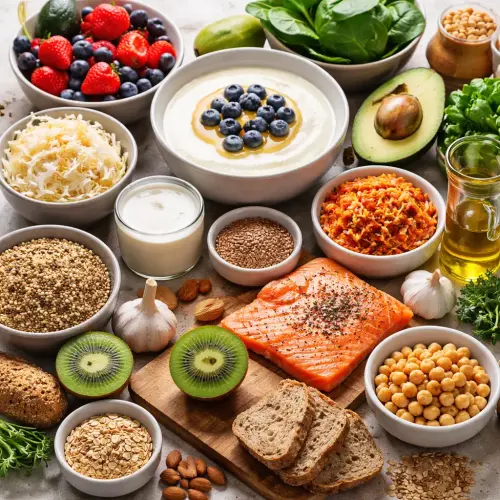
Why Foods That Support Better Gut Health Matter for Your Overall Wellness
The bacteria living in your digestive tract influence everything from nutrient absorption to mood regulation. When your gut microbiome is balanced, you experience fewer digestive discomforts, stronger immunity, and even better mental clarity. Unfortunately, modern diets high in processed foods and low in fiber can disrupt this delicate ecosystem. For a related guide, see 11 Healthy Habits That Reduce Anxiety and Improve Mood.
What foods are best for gut health? The answer lies in a combination of probiotics (live beneficial bacteria) and prebiotics (the fiber that feeds those bacteria). By consistently eating the right whole foods, you can restore and maintain a thriving microbial community.
Below you will find a detailed breakdown of ten everyday foods, each chosen for its unique contribution to digestive wellness. Whether you are asking How can I improve gut health naturally or looking for specific fruits that help digestion and gut balance, this list has you covered. For a related guide, see 15 Best Foods to Help Control Blood Sugar Naturally.
1. Yogurt — A Daily Probiotic Powerhouse
Yogurt is one of the most accessible Foods That Support Better Gut Health because it contains live cultures such as Lactobacillus and Bifidobacterium. These probiotics help restore the natural balance of your gut flora, especially after antibiotics or a poor diet.
Can yogurt improve digestion daily? Yes, when you choose plain, unsweetened yogurt with active or live cultures. The fermentation process breaks down lactose, making it easier to digest for people with mild lactose intolerance. A single serving provides calcium, protein, and billions of colony-forming units (CFUs) that support regular bowel movements and reduce gas.
How to Choose the Best Yogurt for Gut Health
- Look for labels that say “live active cultures” or “probiotic.”
- Avoid yogurts with added sugars or artificial sweeteners, which can feed harmful bacteria.
- Greek yogurt and Skyr are excellent options because they contain higher protein and fewer sugars.
If you are vegan, coconut or soy-based yogurts with added probiotics are also effective, though they may have a lower CFU count.
2. Kefir — A Tangy Drink with Multiple Probiotic Strains
Kefir is a fermented milk drink that contains up to 30 different strains of bacteria and yeasts. This diversity makes it one of the most potent What foods feed healthy gut bacteria options available.
Which foods contain probiotics naturally? Kefir tops the list because the fermentation process uses kefir grains — a complex matrix of microbes. Drinking a small glass daily can improve lactose digestion, reduce inflammation, and even inhibit the growth of harmful bacteria like H. pylori.
Water Kefir for Dairy-Free Diets
Water kefir, made from sugar water and kefir grains, offers similar probiotic benefits without dairy. It is a light, fizzy drink that can be flavored with fresh fruit or ginger.
3. Sauerkraut — Fermented Cabbage for Gut Diversity
Are fermented foods good for the stomach? Absolutely. Sauerkraut is made by fermenting cabbage with lactic acid bacteria, which naturally enriches it with probiotics. The fermentation process also increases the bioavailability of vitamins C and K.
Choose unpasteurized sauerkraut (refrigerated section) because pasteurization kills the beneficial bacteria. A two-tablespoon serving provides a solid dose of Foods That Support Better Gut Health without adding many calories.
Quick Tip
Rinse sauerkraut briefly if you are watching sodium intake, but avoid over-rinsing, which can wash away the live cultures.
4. Kimchi — A Spicy Fermented Vegetable Blend
Kimchi, a staple in Korean cuisine, combines cabbage, radish, ginger, garlic, and chili pepper. The fermentation process produces Lactobacillus kimchii and other probiotics that support digestion and reduce bloating.
Can healthy eating reduce bloating? Yes, and kimchi is a prime example. The fiber from the vegetables plus the probiotics work together to regulate bowel movements and decrease gas production. A 100-gram serving contains about 2.4 grams of fiber and numerous antioxidants.
5. Oats — A Fiber-Rich Prebiotic Grain
How does fiber improve gut health? Soluble fiber, like the beta-glucan in oats, forms a gel-like substance in the gut that slows digestion and feeds beneficial bacteria. Oats act as a prebiotic, meaning they provide fuel for the probiotics you consume from other sources.
A bowl of rolled oats with berries and a dollop of yogurt is a balanced meal that supports the gut-brain axis. Oats also help stabilize blood sugar and lower cholesterol, making them a versatile addition to your daily routine.
Overnight Oats Recipe Idea
Combine ½ cup rolled oats, 1 cup almond milk, 1 tablespoon chia seeds, and a pinch of cinnamon. Refrigerate overnight and top with fresh fruit in the morning.
6. Bananas — A Simple Prebiotic Fruit
What fruits help digestion and gut balance? Bananas, especially slightly green ones, are rich in resistant starch — a type of fiber that resists digestion in the small intestine and ferments in the large intestine, feeding gut bacteria.
Bananas also contain pectin, which helps regulate bowel movements. Eating one banana per day can increase butyrate production, a short-chain fatty acid that strengthens the gut lining and reduces inflammation.
7. Garlic — A Flavorful Prebiotic Heavy Hitter
Garlic is more than a culinary staple; it is a powerful prebiotic. The compound inulin, found in garlic, passes undigested to the colon where beneficial bacteria feast on it.
What foods feed healthy gut bacteria? Garlic, onions, leeks, and asparagus are all rich in inulin. Incorporating raw or lightly cooked garlic into dressings, stir-fries, and sauces can enhance both flavor and gut health.
Warning for Sensitive Stomachs
If you have IBS or a sensitive digestive system, start with small amounts of garlic, as inulin can cause gas in some people.
8. Ginger — A Soothing Anti-Inflammatory Root
Ginger is well known for its ability to reduce nausea, but it also supports gut health by decreasing inflammation and speeding up gastric emptying. This can help with bloating and discomfort after meals.
Fresh ginger can be steeped in hot water for a soothing tea or grated into stir-fries and smoothies. Gingerol, the active compound, has antimicrobial properties that may help inhibit harmful bacteria without disturbing beneficial ones.
9. Leafy Greens — Fiber and Polyphenols for Microbe Diversity
Spinach, kale, Swiss chard, and arugula are packed with fiber, polyphenols, and antioxidants that promote a diverse gut microbiome. A 2019 study in Nature Communications linked higher dietary fiber intake with greater microbial diversity.
Leafy greens also contain sulfoquinovose, a sugar that beneficial gut bacteria use as an energy source. Aim for at least two cups of raw or one cup of cooked leafy greens daily.
10. Berries — Antioxidant-Packed Gut Supporters
Blueberries, raspberries, strawberries, and blackberries provide soluble fiber and polyphenols that act as prebiotics. What fruits help digestion and gut balance? Berries are especially effective because their anthocyanins (the pigments that give them color) have been shown to increase levels of beneficial Bifidobacteria.
A 2018 study in Nutrients found that daily blueberry consumption for six weeks significantly improved gut microbiome composition in older adults. Add a handful to your yogurt, oatmeal, or a green smoothie.
Comparison Table: Probiotic vs. Prebiotic Foods That Support Better Gut Health
| Category | Examples | Primary Benefit |
|---|---|---|
| Probiotic Foods | Yogurt, kefir, sauerkraut, kimchi, miso | Deliver live beneficial bacteria directly to the gut |
| Prebiotic Foods | Oats, bananas, garlic, onions, leafy greens, berries | Feed and nourish existing gut bacteria |
| Synbiotic Pairings | Yogurt + berries, kefir + oats, kimchi + brown rice | Combine probiotics and prebiotics for optimal effect |
How to Heal Your Gut with Food: A Practical Daily Plan
How do I heal my gut with food? Start by eliminating processed foods and adding one or two Foods That Support Better Gut Health each day. A sample day might look like this:
- Breakfast: Oatmeal with sliced banana and a spoonful of yogurt.
- Lunch: Large salad with leafy greens, shredded carrots, a handful of berries, and a side of sauerkraut.
- Snack: A small apple or a glass of kefir.
- Dinner: Grilled salmon with steamed broccoli and a garlic-ginger sauce.
How does gut health affect immunity? Around 70% of your immune cells reside in the gut. When your gut lining is healthy and your microbiome is diverse, your immune system can respond more effectively to pathogens. Conversely, a compromised gut barrier (leaky gut) can trigger systemic inflammation and autoimmune reactions.
What are the signs of poor gut health? Common signs include chronic bloating, gas, irregular bowel movements (constipation or diarrhea), unexplained fatigue, sugar cravings, and skin irritations like eczema. If you experience several of these, adjusting your diet to include more Foods That Support Better Gut Health can make a noticeable difference. For a related guide, see 7 Breakfast Ideas for Better Blood Sugar Balance.
What Foods Should You Avoid for Gut Health?
What foods should I avoid for gut health? To protect your microbiome, limit the following:
- Artificial sweeteners: Aspartame and sucralose can disrupt bacterial balance.
- Processed meats: High in preservatives that may damage gut lining.
- Refined sugars and white flour: They feed harmful bacteria and yeast.
- Excessive alcohol: Damages the intestinal barrier and reduces beneficial bacteria.
- Fried and high-fat foods: Can slow digestion and promote inflammation.
Replacing these with whole, fiber-rich alternatives is the most effective strategy for long-term digestive wellness.
What Drinks Support Gut Health Naturally?
What drinks support gut health naturally? In addition to kefir, consider these options:
- Kombucha: A fermented tea containing probiotics and organic acids.
- Bone broth: Rich in collagen and gelatin, which support the gut lining.
- Ginger tea: Soothes inflammation and aids digestion.
- Water: Essential for fiber to function properly; dehydration can cause constipation.
Herbal teas like peppermint and chamomile can also relax the digestive muscles and reduce bloating.
Useful Resources
The following authoritative sources provide additional depth on how diet influences the gut microbiome.
- “Role of the Gut Microbiota in Nutrition and Health” — National Institutes of Health — A comprehensive review covering how dietary fibers and probiotics shape microbial communities.
- “Gut Health 101” — Harvard Health Publishing — Practical guidance from Harvard Medical School on maintaining a healthy digestive system through diet.
Frequently Asked Questions About Foods That Support Better Gut Health
Final Thoughts on Foods That Support Better Gut Health
Your daily food choices are the single most powerful tool you have for improving your digestive health. By incorporating probiotic-rich fermented foods, fiber-packed fruits and vegetables, and whole grains, you can cultivate a thriving gut microbiome that supports better digestion, stronger immunity, and improved mood.
Start small: pick two or three Foods That Support Better Gut Health from this list and add them to your meals this week. Consistency matters more than perfection. Over time, these habits will become second nature, and your gut will thank you.
Disclaimer: This article is for informational purposes only and does not constitute medical advice. Consult with a healthcare professional before making significant changes to your diet, especially if you have a pre-existing health condition.
Frequently Asked Questions About Foods That Support Better Gut Health
What foods are best for gut health ?
Yogurt, kefir, sauerkraut, kimchi, oats, bananas, garlic, ginger, leafy greens, and berries all support gut health through probiotics, prebiotics, or both.
How can I improve gut health naturally ?
Eat a diverse range of whole foods, increase your fiber intake, include fermented foods daily, stay hydrated, manage stress, and limit processed foods and sugar.
Which foods contain probiotics naturally ?
Natural probiotic sources include yogurt, kefir, sauerkraut, kimchi, miso, tempeh, kombucha, and some pickled vegetables (unpasteurized).
What fruits help digestion and gut balance ?
Bananas (especially green for resistant starch), berries, apples, and papaya are excellent fruits that provide fiber and prebiotic compounds for gut health.
Are fermented foods good for the stomach ?
Yes, fermented foods like kimchi, sauerkraut, and kefir introduce beneficial bacteria that can improve digestion, reduce bloating, and strengthen the gut barrier.
How does fiber improve gut health ?
Soluble and insoluble fiber feed beneficial gut bacteria, promote regular bowel movements, and produce short-chain fatty acids that reduce inflammation and support the gut lining.
What foods feed healthy gut bacteria ?
Prebiotic-rich foods like garlic, onions, leeks, asparagus, oats, bananas, and artichokes feed beneficial gut bacteria and help them thrive.
Can yogurt improve digestion daily ?
Yes, yogurt with live cultures provides probiotics that aid lactose digestion, regulate bowel movements, and maintain a healthy microbial balance.
What drinks support gut health naturally ?
Kefir, kombucha, bone broth, ginger tea, and plenty of water support gut health by providing probiotics, collagen, or fluids for fiber function.
How do I heal my gut with food ?
Focus on whole, fiber-rich foods, include fermented foods daily, avoid processed ingredients, stay hydrated, and eat a variety of plant foods to support microbial diversity.
What foods should I avoid for gut health ?
Avoid artificial sweeteners, refined sugars, processed meats, excessive alcohol, and fried foods, as they can disrupt gut bacteria and damage the intestinal lining.
How does gut health affect immunity ?
Around 70% of immune cells live in the gut. A healthy microbiome regulates immune responses, prevents inflammation, and helps fight off pathogens.
Can healthy eating reduce bloating ?
Yes, a diet rich in fiber, probiotics, and anti-inflammatory foods can reduce bloating by improving digestion and balancing gut bacteria.
What are the signs of poor gut health ?
Common signs include chronic bloating, gas, irregular bowel movements, fatigue, sugar cravings, and skin issues like eczema or acne.
How can I maintain healthy digestion every day ?
Eat a fiber-rich diet with diverse plant foods, include fermented foods, drink enough water, exercise regularly, and manage stress levels.
What is the difference between probiotics and prebiotics?
Probiotics are live beneficial bacteria found in fermented foods; prebiotics are non-digestible fibers that feed those bacteria. Both are essential for gut health.
How long does it take to improve gut health with diet?
Positive changes can start within a few days, but significant improvements in microbiome diversity may take several weeks to months of consistent healthy eating.
Can I get enough probiotics without eating dairy?
Yes, non-dairy sources include sauerkraut, kimchi, water kefir, kombucha, miso, tempeh, and probiotic-fortified plant yogurts.
Are there any risks to eating fermented foods?
Most people tolerate them well, but some may experience gas or bloating initially. Start with small servings and increase gradually. Those with histamine intolerance should consume low-histamine ferments.
Should I take a probiotic supplement instead of eating these foods?
Whole foods provide additional nutrients and fiber that supplements lack. It is best to get probiotics from food sources and consider supplements only when recommended by a healthcare professional.