Best Foods to Help Control Blood Sugar Key Takeaways
Each recommendation below comes with a clear explanation of how it affects your body, plus practical tips for adding it to your daily routine.
- High-fiber vegetables, legumes, and whole grains are the Best Foods to Help Control Blood Sugar because they slow carb digestion and improve insulin sensitivity.
- Pairing protein and healthy fats with every meal is a proven strategy to prevent post-meal blood sugar spikes.
- Portion control and low-glycemic fruit choices matter more than cutting out carbs entirely for balanced glucose management.
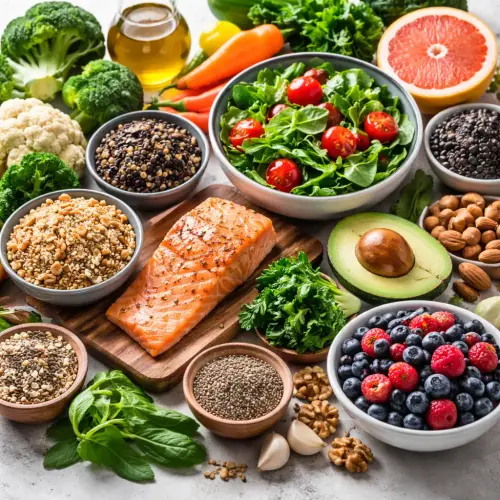
Why These 15 Best Foods to Help Control Blood Sugar Work Better Than Dieting
Blood sugar management isn’t about starvation or cutting out entire food groups. It’s about choosing What foods help control blood sugar naturally and understanding the biological mechanisms behind them. The foods on this list work because they address three core metabolic problems: rapid glucose absorption, poor insulin response, and inflammation-driven insulin resistance.
Each recommendation below comes with a clear explanation of how it affects your body, plus practical tips for adding it to your daily routine. Whether you are managing type 2 diabetes, prediabetes, or simply want to avoid the afternoon energy crash, these 15 options give you a real, sustainable foundation.
1. Leafy Green Vegetables: The Foundation of Blood Sugar Friendly Eating
How do vegetables help regulate glucose? Leafy greens like spinach, kale, Swiss chard, and collard greens are exceptionally low in digestible carbohydrates but rich in fiber, magnesium, and polyphenol antioxidants. The fiber in these greens creates a gel-like matrix in the gut that physically slows the breakdown of starches into glucose. For a related guide, see 12 Foods That Help You Sleep Better and Relax Faster.
Magnesium directly supports insulin receptor function — studies show that people with higher dietary magnesium intake have significantly lower fasting glucose levels. Aim for at least two servings of leafy greens per day, either as a salad base, cooked side, or blended into smoothies.
2. Broccoli and Cruciferous Vegetables: Sulforaphane Power
Broccoli, cauliflower, Brussels sprouts, and cabbage contain sulforaphane, a sulfur-rich compound shown in clinical research to reduce glucose production in the liver and improve insulin sensitivity by up to 25 percent. How does diet affect insulin resistance? Cruciferous vegetables directly target one of the root causes — excess liver glucose output.
Steaming or lightly roasting these vegetables preserves sulforaphane better than boiling. Pair them with a source of healthy fat, like olive oil or avocado, to maximize absorption of fat-soluble vitamins.
3. Beans and Lentils: The Glucose Stabilizers
How do legumes help manage glucose? Lentils, chickpeas, black beans, and kidney beans are nutritional triple threats. They provide soluble fiber, plant-based protein, and resistant starch — a type of carbohydrate that resists digestion in the small intestine and instead ferments in the colon, producing short-chain fatty acids that improve insulin sensitivity.
A 2023 meta-analysis found that replacing a serving of white rice or potatoes with legumes reduced post-meal blood sugar by an average of 20 percent. Start by swapping half the meat in soups, stews, or tacos with cooked lentils or beans for an easy win.
4. Oats and Barley: Beta-Glucan Rich Whole Grains
Why are whole grains good for blood sugar? Oats and barley contain beta-glucan, a type of soluble fiber that forms a thick, viscous gel in the digestive tract. This gel dramatically slows the rate at which carbohydrates are broken down into glucose, preventing the rapid blood sugar spikes associated with refined grains.
Steel-cut oats and hulled barley have a low glycemic index and keep you feeling full for hours. Avoid instant or pre-sweetened varieties, which often have added sugar and a much higher glycemic load. A serving of cooked oats with cinnamon, nuts, and berries makes an excellent breakfast for stable energy.
5. Quinoa: Complete Protein Grain Alternative
Quinoa is technically a seed, not a grain, but it functions as a grain in meals. It provides all nine essential amino acids, making it a rare complete protein among plant foods. How does protein help stabilize glucose levels? Protein slows gastric emptying, meaning food stays in your stomach longer and glucose enters the bloodstream more gradually.
With a glycemic index of around 53 — squarely in the low range — quinoa is an excellent substitute for white rice or pasta. Use it as a base for grain bowls, add it to salads for texture, or serve it as a warm breakfast porridge.
6. Berries: Low Glycemic Fruits That Satisfy Sweet Cravings
What fruits are safe for diabetics? Berries — blueberries, strawberries, raspberries, and blackberries — are the safest fruit category for blood sugar management. They are high in anthocyanins, antioxidants that improve insulin sensitivity, and their fiber content offsets their natural sugar load.
A 2019 study found that eating two servings of berries daily for six weeks reduced fasting insulin levels by 15 percent. Frozen berries work just as well as fresh and are often more affordable. Add them to yogurt, oatmeal, or eat them alone as a satisfying snack that won’t spike glucose.
7. Almonds and Walnuts: Fat and Fiber Combo
How do nuts and seeds affect insulin response? Almonds and walnuts are rich in monounsaturated and polyunsaturated fats, which slow digestion and reduce the glycemic response of meals eaten alongside them. Walnuts are particularly high in alpha-linolenic acid (ALA), an omega-3 fatty acid linked to lower markers of inflammation and improved insulin signaling.
A handful of almonds (about 23 nuts) before a high-carb meal has been shown to reduce post-meal blood sugar by up to 30 percent compared to eating the same meal without nuts. Keep a small container of unsalted mixed nuts at your desk or in your bag for a convenient blood sugar friendly snack.
8. Chia Seeds and Flaxseeds: Gel-Forming Fiber Champions
Chia seeds and ground flaxseeds absorb many times their weight in water, forming a gel-like substance in the digestive tract. This gel physically slows carbohydrate digestion and reduces the absorption rate of glucose into the bloodstream.
Both seeds are also excellent sources of magnesium and lignans, plant compounds that support overall metabolic health. What are the best snacks for stable blood sugar? A chia pudding made with unsweetened almond milk and topped with berries is an ideal make-ahead snack that provides balanced energy for hours. Start with two tablespoons of seeds per serving.
9. Non-Starchy Vegetables: Fill Half Your Plate
Bell peppers, zucchini, cucumbers, asparagus, green beans, and tomatoes are low in calories and carbohydrates but high in fiber, vitamins, and antioxidants. How do vegetables help regulate glucose? They increase meal volume without adding significant glucose, which naturally reduces the overall glycemic load of a meal.
The American Diabetes Association recommends filling half your plate with non-starchy vegetables at lunch and dinner. This simple visual guideline automatically reduces the portion of higher-carb foods and increases your intake of blood sugar friendly nutrients. For a related guide, see How to Monitor Blood Sugar at Home: Step-by-Step Guide.
10. Cinnamon and Vinegar: Simple Additions With Big Effects
Cinnamon contains bioactive compounds that mimic insulin and enhance glucose uptake into cells. Adding one teaspoon of cinnamon to your morning oatmeal, coffee, or yogurt has been shown to reduce fasting blood sugar by 18 to 29 mg/dL in clinical trials.
Vinegar, particularly apple cider vinegar, improves insulin sensitivity during high-carb meals. What foods reduce blood sugar spikes after meals? Taking one tablespoon of vinegar diluted in water before a carbohydrate-heavy meal can reduce the post-meal glucose spike by up to 20 percent. Start with a small amount to avoid digestive discomfort.
11. Fatty Fish: Omega-3s for Long Term Insulin Health
Salmon, mackerel, sardines, and trout provide high quality protein and long-chain omega-3 fatty acids EPA and DHA. Chronic inflammation is a major driver of insulin resistance, and omega-3s directly reduce inflammatory markers in the bloodstream.
Eating fatty fish twice per week supplies enough omega-3s to measurably improve fasting insulin levels and triglyceride profiles. Canned sardines and salmon are affordable, shelf-stable options that work well in salads, grain bowls, or served simply with roasted vegetables.
12. Greek Yogurt and Cottage Cheese: Protein Without the Sugar
How does protein help stabilize glucose levels? Dairy protein — particularly casein and whey — stimulates the release of incretin hormones, which slow gastric emptying and increase insulin secretion in response to a meal. Plain Greek yogurt and cottage cheese are excellent choices because they are high in protein and low in carbohydrates.
Always choose unsweetened, plain varieties. A typical 6-ounce serving of plain Greek yogurt contains 15 to 20 grams of protein with only 4 to 6 grams of natural sugar. Add berries or a sprinkle of nuts for flavor without compromising your blood sugar goals.
13. Avocados: Healthy Fats That Prevent Spikes
Avocados are rich in monounsaturated fat and fiber, with a very low carbohydrate content. The fat in avocados slows the digestion of any carbs eaten in the same meal, reducing the rate of glucose entry into the bloodstream.
One study found that adding half an avocado to a lunch meal reduced blood sugar levels at the two-hour mark by 25 percent compared to the same meal without avocado. Use avocado as a spread on whole grain toast, slice it into salads, or blend it into smoothies for a creamy, blood sugar friendly texture.
14. Sweet Potatoes: A Nutrient Dense Carb Alternative
Sweet potatoes have a lower glycemic index than white potatoes because of their higher fiber content and the presence of anthocyanins (in purple varieties) and carotenoids. What are low glycemic index foods? Boiled or roasted sweet potatoes score between 44 and 47 on the GI scale, while baked white potatoes can rank above 80.
Leave the skin on for extra fiber, and pair sweet potatoes with a source of protein and fat — such as grilled chicken and a side of greens — for a balanced meal that won’t spike your glucose.
15. Dark Chocolate (70% Cacao or Higher): Smart Indulgence
Dark chocolate is a surprising but evidence-backed addition to a blood sugar friendly diet. The flavonoids in cocoa improve endothelial function and insulin sensitivity. Studies show that consuming a small amount of high-quality dark chocolate (70% cacao or more) daily for two weeks reduces fasting glucose and improves blood flow.
Stick to 15 to 20 grams per serving — about one to two small squares. Avoid milk chocolate or white chocolate, which are high in added sugar and low in beneficial flavanols.
What a Balanced Meal for Blood Sugar Control Looks Like
What is a balanced meal for blood sugar control? Use the Plate Method: fill half your plate with non-starchy vegetables, one quarter with lean protein (fish, chicken, beans, tofu), and one quarter with a low glycemic index carbohydrate such as quinoa, sweet potato, or lentils. Add a thumb-sized portion of healthy fat — avocado, olive oil dressing, or a handful of nuts.
This structure automatically provides the fiber, protein, and fat your body needs to slow glucose absorption. Why is portion control important for blood sugar? Even healthy carbohydrates raise blood sugar if eaten in large amounts. Using your hand as a guide — a cupped hand for carbs, a palm for protein, and a thumb for fat — makes portion control simple without needing to measure everything.
Foods to Limit or Avoid for Better Glucose Control
What foods should diabetics avoid? Refined grains (white bread, white rice, pasta), sugary drinks, fruit juice, candy, pastries, and highly processed snacks cause rapid blood sugar spikes with little nutritional benefit. These foods lack fiber and protein, so glucose enters the bloodstream quickly.
Artificial sweeteners are controversial — some research suggests they may disrupt gut bacteria and insulin sensitivity. If you choose sugar alternatives, use stevia or monk fruit and monitor your personal response. Whole foods are always the safer bet.
Useful Resources
For deeper reading on glycemic index values and meal planning, explore these authoritative sources:
- Diabetes UK: Glycaemic Index and Diabetes — comprehensive explanation of GI values and how to use them in daily meals.
- Harvard Health: A Healthy Diet for Diabetes — evidence-backed dietary guidance from Harvard Medical School for managing blood sugar.
Frequently Asked Questions About Best Foods to Help Control Blood Sugar
What foods help control blood sugar naturally ?
Foods rich in fiber, healthy fat, and protein — such as leafy greens, legumes, nuts, seeds, fatty fish, and berries — help control blood sugar naturally by slowing glucose absorption and improving insulin sensitivity.
How does fiber affect blood sugar levels ?
Soluble fiber forms a gel in the digestive tract that slows the breakdown of carbohydrates into glucose, preventing rapid blood sugar spikes and promoting more gradual, stable levels after meals.
What are low glycemic index foods ?
Low glycemic index foods score 55 or below on the GI scale and include barley, oats, sweet potatoes, lentils, quinoa, berries, and most non-starchy vegetables. They release glucose slowly into the bloodstream.
How do legumes help manage glucose ?
Legumes provide soluble fiber, resistant starch, and plant protein, which together slow digestion and reduce the glycemic impact of a meal. They also promote gut health through short-chain fatty acids that improve insulin sensitivity.
Why are whole grains good for blood sugar ?
Whole grains like oats and barley contain beta-glucan fiber and more nutrients than refined grains, leading to slower glucose absorption and lower post-meal blood sugar levels compared to eating white rice or white bread.
What fruits are safe for diabetics ?
Berries, cherries, apples, pears, and grapefruit are safe for diabetics when eaten in reasonable portions. They have a lower glycemic load and higher fiber content than tropical fruits like mangoes or watermelon.
How do nuts and seeds affect insulin response ?
Nuts and seeds slow gastric emptying and reduce the overall glycemic response of a meal, thanks to their combination of healthy fats, fiber, and magnesium. Eating a small handful before a meal can lower the post-meal glucose spike.
What foods reduce blood sugar spikes after meals ?
Foods high in soluble fiber (oats, chia seeds), vinegar, cinnamon, and protein-rich foods (Greek yogurt, chicken, fish) reduce blood sugar spikes by slowing carbohydrate absorption and improving insulin action.
How does protein help stabilize glucose levels ?
Protein slows gastric emptying and stimulates the release of incretin hormones, which increase insulin secretion in response to a meal. This combination prevents rapid glucose rises and helps maintain steady energy.
What foods should diabetics avoid ?
Diabetics should limit sugary beverages, refined white flour products, fruit juices, candy, pastries, and highly processed snacks. These foods cause rapid glucose spikes and offer little nutritional value.
How does diet affect insulin resistance ?
A diet high in refined carbs, sugar, and unhealthy fats worsens insulin resistance by promoting inflammation and fat accumulation in the liver and muscles. A diet rich in fiber, healthy fats, and lean protein improves how cells respond to insulin.
What is a balanced meal for blood sugar control ?
A balanced meal consists of half non-starchy vegetables, one quarter lean protein, and one quarter low-glycemic carbohydrate, plus a serving of healthy fat. This structure optimally supports stable glucose levels.
How do vegetables help regulate glucose ?
Vegetables are rich in fiber and water but low in digestible carbohydrates, which increases meal volume without causing glucose spikes. They also supply antioxidants and magnesium that improve insulin sensitivity.
Why is portion control important for blood sugar ?
Even healthy carbohydrates raise blood sugar if consumed in large amounts. Portion control ensures you get beneficial nutrients without overwhelming your body’s ability to process glucose effectively.
What are the best snacks for stable blood sugar ?
Snacks that combine protein, fiber, and healthy fat — such as apple slices with almond butter, Greek yogurt with chia seeds, or a handful of walnuts and a hard-boiled egg — keep blood sugar steady between meals.
Can cinnamon really lower blood sugar?
Clinical studies show that cinnamon can reduce fasting blood sugar by 18 to 29 mg/dL by improving insulin sensitivity and mimicking insulin activity. Use one teaspoon daily as a spice, not a standalone treatment.
Is dark chocolate good for diabetics?
Dark chocolate with at least 70% cacao contains flavanols that improve insulin sensitivity and blood vessel function. A small daily serving (15-20 grams) can be part of a healthy diet without spiking glucose.
Does vinegar help lower blood sugar?
Apple cider vinegar improves insulin sensitivity and reduces post-meal glucose spikes by slowing the breakdown of starches. One tablespoon diluted in water before a high-carb meal is the typical effective dose.
Can you reverse prediabetes with diet alone?
Dietary changes — particularly adopting a diet rich in the foods described in this guide — can normalize blood sugar levels in many people with prediabetes, especially when combined with regular exercise and weight management.
How quickly can diet changes improve blood sugar?
Many people see measurable improvements in fasting glucose within two to four weeks of switching to a blood sugar friendly diet. Post-meal glucose improvements can be observed within days of consistent healthy eating.