
Cardiovascular disease remains the leading cause of death worldwide, but many cases are preventable through lifestyle choices that improve blood pressure, cholesterol, blood sugar, and vascular health. The World Health Organization notes that cardiovascular diseases cause nearly 18 million deaths globally each year, making them the top cause of mortality, while CDC reports that heart disease accounts for about one in every five deaths in the United States.
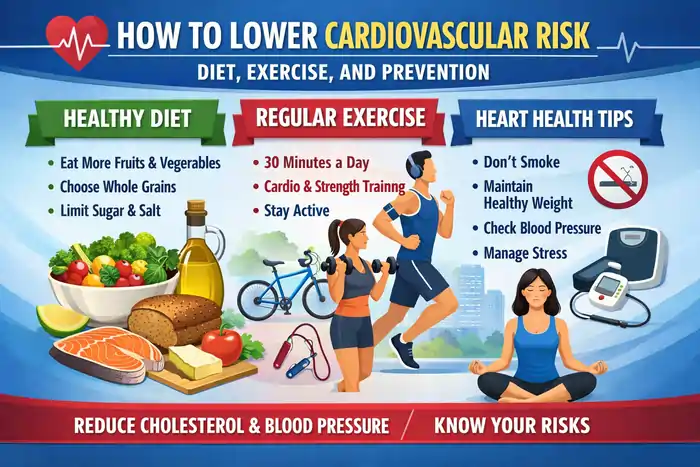
Lifestyle Changes That Lower Cardiovascular Risk
Cardiovascular disease remains the leading cause of death worldwide, but many cases are preventable through healthy lifestyle choices and early risk management. Heart disease includes conditions such as coronary artery disease, heart attack, stroke, and heart failure, all of which affect the heart and blood vessels. According to the World Health Organization, cardiovascular diseases cause nearly 18 million deaths globally each year, making them the most significant contributor to global mortality as summarized in its cardiovascular diseases fact sheet. In the United States, the Centers for Disease Control and Prevention reports that heart disease accounts for approximately one in every five deaths annually in its overview of heart disease.
While genetics and age play a role, many cardiovascular risks are strongly influenced by lifestyle. Diet, physical activity, smoking habits, body weight, sleep patterns, and stress management all affect long-term heart health. This guide explains evidence-based lifestyle changes that lower cardiovascular risk, based on guidance from major health organizations such as the WHO, CDC, National Institutes of Health (NIH), and the American Heart Association (AHA). For a broader explanation of how cardiovascular disease develops, you can link phrases like “heart disease risk factors, symptoms, and prevention” to your main guide on heart disease, which explains the overall causes and management of heart conditions.
Understanding Cardiovascular Risk
Cardiovascular risk refers to the likelihood that a person will develop heart disease or experience a cardiovascular event such as a heart attack or stroke. Risk increases when multiple factors occur together, including high blood pressure, high cholesterol, diabetes, smoking, obesity, and physical inactivity. The American Heart Association explains that many of these risk factors contribute to plaque buildup in arteries, which can restrict blood flow to the heart, in its overview of what cardiovascular disease is.
When plaque buildup affects coronary arteries, it can lead to coronary artery disease, the most common form of heart disease. You can naturally link text like “coronary artery disease explained” to your dedicated article on coronary artery disease, which explores how blocked arteries increase the risk of heart attacks.
Why Lifestyle Changes Matter
Research consistently shows that lifestyle changes significantly reduce cardiovascular risk. Large population studies demonstrate that healthy lifestyle habits can prevent many cardiovascular events, even among individuals with genetic risk factors. The National Institutes of Health emphasizes that improving diet, increasing physical activity, and maintaining a healthy weight are among the most effective ways to reduce heart disease risk in its resources on heart disease and prevention.
These lifestyle strategies support heart health by lowering blood pressure, reducing cholesterol levels, improving blood sugar control, decreasing inflammation, and improving blood vessel function.
Heart-Healthy Diet
One of the most important ways to lower cardiovascular risk is through diet. A heart-healthy diet focuses on whole, minimally processed foods that support cardiovascular function. The American Heart Association recommends a dietary pattern that includes fruits and vegetables, whole grains, lean protein, nuts and seeds, and healthy fats such as olive oil in its healthy eating guidance.
Mediterranean Diet
The Mediterranean diet is widely recognized as one of the most beneficial dietary patterns for heart health. This pattern emphasizes fruits and vegetables, whole grains, fish and seafood, olive oil, nuts, and legumes. Numerous studies have shown that Mediterranean-style eating reduces cardiovascular risk factors and lowers rates of heart disease, which is why major heart organizations frequently highlight it as a model heart-healthy pattern.
Limiting Processed Foods
Highly processed foods often contain excessive amounts of sodium, added sugars, and unhealthy fats. These ingredients contribute to hypertension, obesity, and metabolic disease. Reducing processed foods and choosing whole foods—such as fresh produce, whole grains, and minimally processed proteins—can significantly improve cardiovascular health.
Regular Physical Activity
Physical activity is another cornerstone of cardiovascular prevention. Exercise strengthens the heart muscle, improves circulation, and supports metabolic health. The American Heart Association recommends at least 150 minutes of moderate aerobic exercise per week or 75 minutes of vigorous activity in its fitness recommendations.
Examples of moderate physical activity include brisk walking, cycling, swimming, and dancing. Regular exercise helps lower blood pressure, improve cholesterol levels, reduce body fat, and improve insulin sensitivity—all key factors in lowering cardiovascular risk.
Maintaining a Healthy Weight
Excess body weight increases the risk of cardiovascular disease. Obesity contributes to several risk factors, including high blood pressure, abnormal cholesterol levels, insulin resistance, and chronic inflammation. The CDC notes that maintaining a healthy weight significantly lowers the likelihood of developing heart disease in its healthy weight resources.
Even modest weight loss can improve cardiovascular health, especially when combined with improved diet quality and increased physical activity.
Managing Blood Pressure
High blood pressure, also known as hypertension, is one of the most significant contributors to cardiovascular disease. Over time, elevated blood pressure damages artery walls and accelerates plaque buildup. The CDC reports that millions of adults have high blood pressure—often without symptoms—in its overview of high blood pressure.
Lifestyle changes that help control blood pressure include reducing sodium intake, increasing physical activity, managing stress, and limiting alcohol consumption. These strategies are often recommended alongside medications when needed.
Controlling Cholesterol Levels
High LDL (“bad”) cholesterol contributes to plaque buildup in arteries. Lowering cholesterol levels helps reduce cardiovascular risk. The National Heart, Lung, and Blood Institute recommends lifestyle changes such as heart-healthy diet, regular exercise, and weight management to improve cholesterol levels, as outlined in its information on high blood cholesterol. In some cases, medications like statins may also be necessary, particularly for people at higher risk.
Quitting Smoking
Smoking damages blood vessels and accelerates atherosclerosis. The World Health Organization identifies tobacco use as one of the leading preventable causes of cardiovascular disease in its tobacco fact sheet. Quitting smoking reduces heart disease risk rapidly; within one year of quitting, the risk of heart attack drops significantly, and risk continues to fall over time.
Managing Diabetes
Diabetes significantly increases the risk of cardiovascular disease. High blood glucose levels damage blood vessels and promote inflammation. The CDC explains that adults with diabetes are nearly twice as likely to develop heart disease in its feature on diabetes and heart disease. Lifestyle strategies such as healthy diet, regular exercise, weight management, and medication adherence help control blood sugar levels and reduce cardiovascular risk.
Reducing Stress
Chronic stress may contribute to heart disease by increasing blood pressure and promoting unhealthy behaviors such as poor diet, inactivity, or smoking. Stress can also affect sleep patterns and hormone regulation. Healthy ways to manage stress include mindfulness meditation, breathing exercises, regular physical activity, and adequate sleep. Many heart health organizations now highlight stress management as part of comprehensive cardiovascular prevention.
Importance of Sleep for Heart Health
Sleep plays a crucial role in cardiovascular health. Poor sleep is associated with hypertension, obesity, diabetes, and increased inflammation. The National Institutes of Health recommends that adults aim for 7–9 hours of sleep per night to support overall health in its discussion of sleep and health. Establishing consistent sleep routines and addressing sleep disorders, such as sleep apnea, can further support heart health.
Regular Health Screenings
Routine medical checkups help detect cardiovascular risk factors early. Important screenings include blood pressure measurement, cholesterol testing, blood glucose monitoring, and body mass index evaluation. The CDC highlights early detection as a critical part of preventing heart disease in its page on heart disease prevention. Regular monitoring allows healthcare providers to intervene before complications develop.
Recognizing Warning Signs of Heart Disease
While prevention is essential, recognizing symptoms of cardiovascular disease is also important. Common symptoms may include chest pain or pressure, shortness of breath, fatigue, and dizziness. If these symptoms occur suddenly, they may indicate a heart attack. You can link phrases like “warning signs of a heart attack” to your emergency-focused guide on heart attack symptoms, which explains when to seek urgent medical care.
Frequently Asked Questions
What lifestyle changes reduce cardiovascular risk the most?
Healthy diet, regular exercise, quitting smoking, maintaining a healthy weight, and controlling blood pressure and cholesterol are among the most effective strategies for lowering cardiovascular risk.
Can heart disease be prevented?
Many cases of heart disease can be prevented through healthy lifestyle choices and management of risk factors such as high blood pressure, high cholesterol, diabetes, and smoking.
How much exercise is needed for heart health?
The American Heart Association recommends at least 150 minutes of moderate-intensity aerobic exercise per week—or 75 minutes of vigorous activity—for cardiovascular health.
Does diet really affect heart disease risk?
Yes. Diet strongly influences cholesterol levels, blood pressure, blood sugar, and body weight, all of which have a direct impact on cardiovascular risk.
How often should I check my heart health?
Regular medical checkups, including blood pressure and cholesterol testing, are generally recommended at least annually or as advised by your healthcare provider based on your risk profile.
Final Thoughts
Cardiovascular disease remains one of the most serious health challenges worldwide, but many cases can be prevented through lifestyle changes and early risk management. Healthy habits such as balanced nutrition, regular physical activity, smoking cessation, good sleep, stress management, and routine medical screenings significantly reduce cardiovascular risk. Working with healthcare professionals and maintaining heart-healthy behaviors over time can greatly improve long-term cardiovascular health and quality of life.
For more insights, read: Heart Disease: Risk Factors, Symptoms, and Prevention Guide
⚠️ Medical Disclaimer
The information provided on MedEduHub is for educational purposes only and does not replace professional medical advice, diagnosis, or treatment. If you experience symptoms such as chest pain, shortness of breath, dizziness, or other concerning signs of heart disease, seek medical attention immediately. Always consult a licensed healthcare provider before making changes to your medical care plan.
Written by: Eden Grace Ramos, RN
Sources: this article is informed by the World Health Organization cardiovascular diseases fact sheet, CDC heart disease overview, American Heart Association healthy living resources, and National Heart, Lung, and Blood Institute heart disease resources.