
superfoods for heart health Key Takeaways
Heart disease remains the leading cause of death worldwide, but the right nutrition can dramatically lower your risk.
- superfoods for heart health are packed with antioxidants, fiber, healthy fats, and essential vitamins that reduce inflammation and support arterial function.
- Eating a variety of these foods — from fatty fish to leafy greens — can help lower blood pressure, reduce LDL cholesterol, and improve overall circulation.
- Consistency matters more than quantity; even one serving per day of a heart-healthy superfood can make a measurable difference over time.
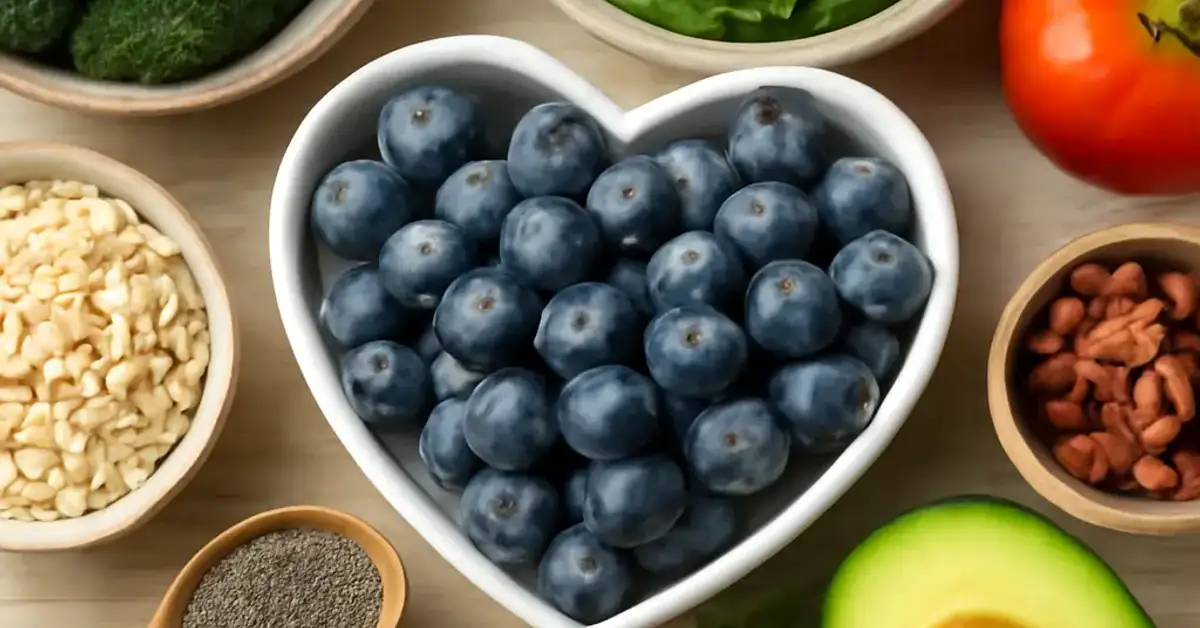
Why Prioritize superfoods for heart health in Your Diet?
Your heart works around the clock, pumping blood through 60,000 miles of vessels. Supporting it with the right fuel is non-negotiable. The American Heart Association recommends a dietary pattern rich in fruits, vegetables, whole grains, lean protein, and healthy fats. But certain foods — often called superfoods — offer concentrated benefits that go beyond basic nutrition.
Unlike fad diets or supplements, whole superfoods deliver a symphony of bioactive compounds that work together. For example, the omega-3s in salmon reduce inflammation while the potassium in avocados helps regulate blood pressure. These foods are not magic bullets, but when eaten regularly as part of a balanced cardiac diet superfoods plan, they can significantly improve your heart health markers.
How to Choose the Best natural heart health foods
Not every food marketed as “heart healthy” lives up to the claim. Look for these three qualities when selecting natural heart health foods:
- Minimally processed: Whole foods retain their fiber, vitamins, and phytonutrients.
- Rich in soluble fiber: Helps lower LDL cholesterol by binding to it in the digestive tract.
- High in omega-3s or monounsaturated fats: These healthy fats reduce inflammation and support healthy blood lipid profiles.
Always check labels for added sugars, sodium, or unhealthy trans fats that can sabotage heart benefits.
10 Powerful superfoods for heart health You Should Eat Regularly
Below is a curated list of the most evidence-backed superfoods for heart health. Each entry includes a brief description, the primary heart benefits, and a practical tip for adding it to your routine.
1. Wild Salmon
Salmon is one of the richest natural sources of long-chain omega-3 fatty acids (EPA and DHA). These fats reduce triglycerides, lower blood pressure, and decrease the risk of arrhythmias. Aim for two 3.5-ounce servings of wild salmon per week. Try it grilled with herbs or baked with lemon and dill. For a related guide, see Heart-healthy Foods Rich In Omega-3 Fatty Acids: 7 Essential Omega-3 Foods for a Heart-Healthy Diet.
2. Blueberries
Blueberries are packed with anthocyanins, antioxidants that combat oxidative stress and improve arterial stiffness. Studies show that eating one cup of blueberries daily can lower systolic blood pressure by several points. Add them to oatmeal, yogurt, or a morning smoothie.
3. Avocados
Avocados are loaded with monounsaturated fats and potassium. One avocado provides about 975 mg of potassium, which helps counterbalance sodium and relax blood vessel walls. Use avocado as a spread instead of butter, or toss slices into salads and grain bowls.
4. Dark Leafy Greens (Spinach, Kale, Swiss Chard)
These greens are rich in vitamin K, which protects arteries from calcification, and dietary nitrates that improve blood flow. A large study found that people who ate the most leafy greens had a 16% lower risk of heart disease. Sauté them with garlic and olive oil, or blend them into green smoothies.
5. Walnuts
Walnuts are the only nut that provides a significant amount of alpha-linolenic acid (ALA), a plant-based omega-3. A handful (about 14 walnut halves) per day is linked to lower LDL cholesterol and reduced inflammation. Eat them raw as a snack, or sprinkle chopped walnuts over roasted vegetables.
6. Oats and Barley
Whole grains like oats and barley contain beta-glucan, a soluble fiber that effectively lowers LDL cholesterol. A bowl of oatmeal (1 cup cooked) provides about 4 grams of fiber. Make overnight oats with rolled oats, chia seeds, and berries for a quick breakfast.
7. Dark Chocolate (70%+ Cocoa)
Dark chocolate is rich in flavanols, which improve endothelial function and lower blood pressure. A 1-ounce serving (about 30 grams) per day is enough to gain benefits without excess sugar and calories. Choose brands with minimal added sugar and dairy.
8. Beans and Lentils
Legumes are high in soluble fiber, plant protein, and magnesium. Replacing just one serving of red meat with beans per day is associated with a 10-15% lower risk of heart disease. Add chickpeas to salads, lentils to soups, or black beans to tacos.
9. Extra Virgin Olive Oil
The cornerstone of the Mediterranean diet, extra virgin olive oil is abundant in monounsaturated fats and polyphenols. Daily consumption is linked to reduced inflammation and lower risk of stroke. Use it for salad dressings and low-heat cooking; avoid overheating to preserve its antioxidants.
10. Green Tea
Green tea contains catechins, powerful antioxidants that improve cholesterol ratios and support healthy blood vessel function. Drinking 2-3 cups of unsweetened green tea daily has been shown to lower LDL cholesterol and reduce oxidative damage. Steep it for 3-4 minutes at 175°F to maximize catechin extraction.
Comparison Table: Key Heart Health Nutrients in Each Superfood
| Superfood | Key Nutrient(s) | Primary Heart Benefit | Suggested Serving |
|---|---|---|---|
| Wild Salmon | Omega-3s (EPA/DHA) | Reduces triglycerides, blood pressure | 3.5 oz, 2x/week |
| Blueberries | Anthocyanins | Lowers systolic blood pressure | 1 cup daily |
| Avocados | Monounsaturated fat, Potassium | Regulates blood pressure | 1/2 avocado daily |
| Dark Leafy Greens | Vitamin K, Nitrates | Improves blood flow, reduces calcification | 2 cups cooked per week |
| Walnuts | ALA (plant omega-3) | Lowers LDL cholesterol | 1 oz (14 halves) daily |
| Oats and Barley | Beta-glucan fiber | Lowers LDL cholesterol | 1 cup cooked daily |
| Dark Chocolate | Flavanols | Improves endothelial function | 1 oz daily |
| Beans and Lentils | Soluble fiber, Magnesium | Replaces red meat, reduces CVD risk | 1/2 cup cooked daily |
| Extra Virgin Olive Oil | Monounsaturated fat, Polyphenols | Reduces inflammation, stroke risk | 2 tbsp daily |
| Green Tea | Catechins | Improves cholesterol ratios | 2-3 cups daily |
Who Should Prioritize These superfoods for heart health?
These foods are beneficial for nearly everyone, but certain groups may see the most dramatic improvements:
- Adults over 40: Cardiovascular risk naturally increases with age; a targeted diet helps manage blood pressure, cholesterol, and weight.
- People with high blood pressure or high cholesterol: These superfoods directly address common metabolic risk factors.
- Anyone with a family history of heart disease: Early intervention with nutrition can modify genetic predisposition.
- Those following a Mediterranean or plant-based diet: These foods align naturally with these patterns, making adherence easier.
Useful Resources
For further reading on evidence-based heart nutrition, explore these resources:
- American Heart Association: Diet and Lifestyle Recommendations
- Mayo Clinic: Heart-Healthy Foods List
Frequently Asked Questions About superfoods for heart health
Conclusion: Start Incorporating superfoods for heart health Today
A heart-healthy diet doesn’t require a complete pantry overhaul. Begin by adding one or two of these superfoods for heart health each week. Swap butter for avocado on toast, snack on a handful of walnuts instead of chips, and replace sugary drinks with green tea. Small, consistent changes compound over time, leading to lower blood pressure, healthier cholesterol levels, and greater energy throughout the day. For a related guide, see 8 Best Whole Grains for a Heart-Healthy Diet: Essential Choices.
Disclaimer: This content is for informational purposes only and does not constitute medical advice. Always consult with a qualified healthcare professional or registered dietitian before making significant dietary changes, especially if you have a pre-existing medical condition or are taking medication.
Frequently Asked Questions About superfoods for heart health
What are the top superfoods for heart health ?
The top superfoods include wild salmon, blueberries, avocados, dark leafy greens, walnuts, oats, dark chocolate, beans, extra virgin olive oil, and green tea. Each provides unique compounds that support cardiovascular function.
Can superfoods reverse heart disease?
While superfoods cannot cure established heart disease, they can slow progression, improve risk factors, and reduce the likelihood of future events when combined with medical treatment and lifestyle changes.
How many servings of superfoods should I eat per day?
Aim for at least 5-7 servings of fruits and vegetables per day, plus a serving of fatty fish twice a week, a handful of nuts daily, and 2-3 cups of green tea. Variety is more important than volume.
Are frozen berries as good as fresh for heart health ?
Yes, frozen berries are often flash-frozen at peak ripeness, preserving their anthocyanin content. They are a convenient and cost-effective alternative to fresh berries year-round.
Does cooking destroy the heart benefits of these foods?
Some nutrients may degrade with high heat, especially water-soluble vitamins and antioxidants. Light steaming, gentle baking, or eating some foods raw (e.g., berries, leafy greens) preserves more benefits.
Is coconut oil a heart-healthy superfood?
Coconut oil is high in saturated fat (about 90%), which can raise LDL cholesterol. Current guidelines do not classify it as a superfood for heart health; extra virgin olive oil is a better choice.
What is the best time to eat superfoods for heart health ?
Spread them throughout the day to maintain steady nutrient intake. For example, oatmeal and berries at breakfast, a handful of walnuts as a snack, and salmon with greens at dinner.
Can I get the same benefits from supplements?
Whole foods provide synergistic benefits not replicated by isolated supplements. For example, fish oil supplements offer omega-3s, but salmon also provides vitamin D, selenium, and high-quality protein. Prioritize food first.
Are avocados fattening?
Avocados are calorie-dense, but their monounsaturated fats promote satiety and help regulate appetite. Eating half an avocado daily is linked to better weight management and improved heart health markers.
Should I avoid egg yolks for heart health ?
Current research indicates that dietary cholesterol from eggs has minimal impact on blood cholesterol for most people. Eggs are nutrient-dense; if you have diabetes or high LDL, limit yolks to 3-4 per week.
What is the role of fiber in heart health ?
Soluble fiber binds to cholesterol in the digestive tract and helps excrete it, lowering LDL levels. It also stabilizes blood sugar and supports a healthy gut microbiome, which reduces systemic inflammation.
Can drinking green tea replace medication for high blood pressure?
Green tea can modestly lower blood pressure (about 2-3 mmHg), but it should not replace prescribed medication. Use it as a complementary strategy under your doctor’s supervision.
Are plant-based omega-3s as effective as fish-based ones?
Plant-based ALA (from walnuts, flaxseeds) must be converted to EPA/DHA, a process that is inefficient (less than 10%). For optimal heart protection, include direct sources of EPA/DHA like salmon or algae oil.
What is the most important superfood for heart health ?
No single superfood is a magic bullet. A diverse diet matters most. However, fatty fish like salmon offers potent omega-3s that are difficult to obtain from other whole food sources, making it a standout choice.
Are sprouted grains better than regular oats?
Sprouted grains may have slightly higher levels of certain nutrients and reduced phytic acid, but whole oats are already highly nutritious. Both are excellent for heart health; choose the one you enjoy more.
Do I need to buy organic superfoods?
Organic produce often has lower pesticide residues, but the heart health benefits of any fruits and vegetables — organic or conventional — far outweigh the risks. Prioritize daily intake over organic certification.
Can kids eat these superfoods for heart health ?
Yes, these foods are safe and beneficial for children. Introduce them early with age-appropriate portions, like avocado slices, oat-based muffins, or mild green smoothies. Avoid choking hazards like whole nuts for young children.
What is the Mediterranean diet’s connection to heart health ?
The Mediterranean diet emphasizes many of these superfoods — olive oil, fish, nuts, greens, and whole grains — and is consistently linked to a 30% lower risk of cardiovascular events in large-scale studies.
Do I need to avoid all saturated fat?
Not entirely, but replacing saturated fats (from butter, red meat) with unsaturated fats (olive oil, avocado, nuts) improves cholesterol profiles. Aim to keep saturated fat below 10% of total daily calories.
How quickly will I see improvements in my heart health markers?
Positive changes in blood pressure can appear within 2-4 weeks of consistently eating a heart-healthy diet. LDL cholesterol improvements typically take 6-12 weeks. Individual results vary based on genetics and overall lifestyle.