
risks of melatonin overuse Key Takeaways
Melatonin is often viewed as a harmless sleep aid, but relying on it nightly can come with unexpected consequences.
- Chronic use can interfere with your body’s own melatonin production and circadian rhythm.
- Potential side effects range from vivid nightmares and grogginess to more serious concerns like hormone disruption in adolescents.
- Many people overlook the fact that melatonin can interact with certain medications and health conditions.
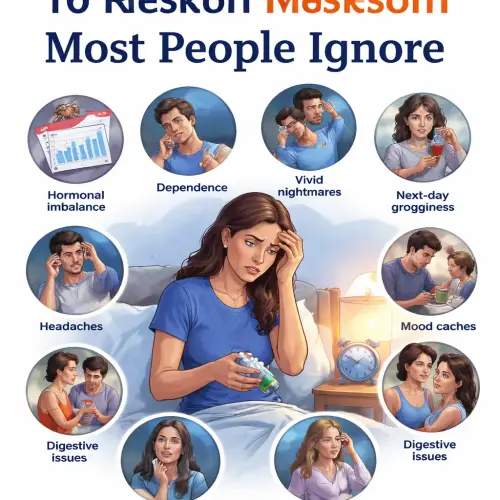
Why Understanding the Risks of Melatonin Overuse Matters
Melatonin supplements have become a go-to solution for millions of people struggling with sleep. Walk into any pharmacy or grocery store, and you’ll find bottles promising restful nights in doses ranging from 1 mg to 10 mg or more. The perception that “it’s natural, so it must be safe” fuels widespread use without a second thought. However, the risks of melatonin overuse are real and often overlooked. From altering your natural sleep-wake cycle to potential long-term health effects, being informed helps you make better decisions for your sleep health. For a related guide, see 12 Risky Ways Energy Drinks Disrupt Teen Sleep Patterns.
What Is Melatonin and How Does It Work?
Melatonin is a hormone produced by the pineal gland in the brain, primarily in response to darkness. It signals to your body that it’s time to sleep, helping regulate your circadian rhythm. Supplementing with synthetic melatonin can be helpful for jet lag, shift work, or occasional insomnia, but the key is moderation. When used incorrectly, you risk tampering with a finely tuned biological system. For a related guide, see 11 Viral TikTok Sleep Hacks That Actually Work (Proven).
10 Often-Ignored Risks of Melatonin Overuse You Should Know
Below are ten specific dangers that many people overlook when relying on melatonin for sleep support. Each point highlights a different aspect of how excessive or long-term use can impact your health.
1. Disruption of Natural Melatonin Production
Your body’s ability to produce melatonin naturally can become suppressed when you consistently take high-dose supplements. This means over time, you may feel like you need the pill to sleep, even if your body would have been capable of resting without it. This is one of the most overlooked risks of melatonin overuse because it creates a cycle of dependence without you realizing it.
2. Hormonal Imbalance, Especially in Children and Teens
Melatonin is a hormone, and flooding your system with an external source can disrupt other hormonal pathways. In children and adolescents, this can interfere with puberty-related hormone development, including the timing of growth and reproductive hormone release. Many parents give melatonin to their kids without understanding these potential long-term effects.
3. Persistent Daytime Drowsiness and Grogginess
Taking too much melatonin can leave you feeling sluggish, dizzy, or mentally foggy the next morning. Because melatonin has a relatively long half-life, its effects can linger well into the next day, impairing concentration, coordination, and overall productivity. This is a common melatonin side effect that people often mistake for poor sleep quality.
4. Vivid Dreams and Nightmares
While some people enjoy vivid dreams, high doses of melatonin can provoke intensely strange or disturbing nightmares. This is due to its effect on REM sleep cycles. If you find yourself waking up frightened or struggling with unsettling dreams, your melatonin dose might be too high.
5. Digestive Issues and Cramping
Gastrointestinal discomfort is a known but underreported melatonin side effect. Stomach cramps, nausea, diarrhea, or constipation can occur, especially with doses above 3 mg. These symptoms can be enough to disrupt sleep further, defeating the purpose of taking the supplement in the first place.
6. Potential Blood Pressure Fluctuations
Melatonin can influence blood pressure regulation. Some studies suggest it may lower blood pressure, which could be problematic for people who already have low blood pressure or are on antihypertensive medications. Alternatively, in some individuals, it may cause a spike. This cardiovascular interaction is a hidden melatonin risk that warrants caution.
7. Interactions with Prescription Medications
Melatonin can interact with a wide range of medications, including blood thinners (warfarin), immunosuppressants, diabetes medications, and birth control pills. These interactions can either reduce the effectiveness of the medication or increase the risk of side effects. It’s crucial to check with a healthcare provider before combining melatonin with any prescription drug.
8. Mood Changes and Increased Anxiety
Paradoxically, some people experience worsened anxiety, irritability, or depression while taking melatonin. The exact mechanism is not fully understood, but it may relate to how melatonin interacts with neurotransmitters like serotonin. If you notice your mood dipping after starting melatonin, this could be a sign of overuse or sensitivity.
9. Masking an Underlying Sleep Disorder
Using melatonin as a crutch can delay the diagnosis of more serious sleep disorders such as sleep apnea, restless leg syndrome, or chronic insomnia. These conditions require specific treatments, not just sleep aids. Relying on melatonin without investigating root causes can allow a manageable issue to worsen over time.
10. Dependency and Psychological Reliance
Even though melatonin is not chemically addictive, you can develop a strong psychological dependence. The fear of not being able to sleep without it can keep you reaching for the bottle night after night. Breaking this cycle often requires a gradual tapering plan and addressing underlying sleep hygiene issues.
How to Use Melatonin Safely and Avoid Overuse Risks
After reading about these risks of melatonin overuse, you might wonder whether melatonin is ever appropriate. The answer is yes — when used responsibly. Here are a few evidence-based guidelines to minimize harm:
- Start with the lowest possible dose, usually 0.5–1 mg, taken 30–60 minutes before bedtime.
- Use melatonin for short-term situations only, such as jet lag or during a temporary stressful period, not as a nightly habit.
- Avoid giving melatonin to children or adolescents without pediatrician approval.
- Combine melatonin use with good sleep hygiene: consistent bedtime, no screens before sleep, and a dark, cool room.
- Consult a healthcare provider if you have a chronic condition or take other medications regularly.
Useful Resources
For further reading on melatonin safety and sleep health, these resources provide evidence-based information:
- National Center for Complementary and Integrative Health: Melatonin
- Sleep Foundation: Melatonin and Sleep
Frequently Asked Questions About risks of melatonin overuse
Can taking melatonin every night be harmful?
Yes, nightly use can disrupt your natural melatonin production and circadian rhythm, leading to dependency and reduced effectiveness over time.
What is considered a high dose of melatonin?
Doses above 5 mg are considered high for most adults. Optimal doses for sleep often range from 0.5 mg to 3 mg.
Is melatonin safe for children?
Melatonin should be used with caution in children and only under a doctor’s guidance, as long-term effects on development are not fully known.
Can melatonin cause weight gain?
Some research suggests melatonin may influence metabolism, but weight gain is not a common or well-established side effect.
Does melatonin affect fertility?
Melatonin can interact with reproductive hormones. There is some evidence that high doses may affect ovulation and sperm quality, but more research is needed.
Can I develop a tolerance to melatonin?
Yes, some people find that they need higher doses over time to achieve the same effect, which increases the risk of side effects.
Is it safe to take melatonin with antidepressants?
Melatonin can interact with certain antidepressants, especially MAOIs and SSRIs. Always consult your doctor before combining them.
What are the most common side effects of melatonin?
Common side effects include headache, dizziness, nausea, daytime drowsiness, and vivid dreams.
Can melatonin cause nightmares?
Yes, higher doses can increase the intensity and vividness of dreams, sometimes leading to nightmares.
Does melatonin interact with blood pressure medication?
Yes, melatonin may lower blood pressure, which could enhance the effects of antihypertensive drugs and lead to hypotension.
How long does melatonin stay in your system?
Melatonin has a half-life of about 20 to 50 minutes, but its effects can last up to 4–8 hours depending on the dose and individual metabolism.
Can melatonin cause depression?
Some individuals report mood changes, including increased depression or anxiety, although this is not a universal effect.
Is it safe to take melatonin every night for a year?
Long-term nightly use is not recommended due to potential hormonal disruption and lack of safety data for extended periods.
Can melatonin cause hair loss?
There is no strong evidence linking melatonin to hair loss. However, any hormonal supplement can theoretically influence hair growth cycles.
Does melatonin affect blood sugar?
Melatonin may affect insulin sensitivity and blood sugar levels, especially in people with diabetes or prediabetes.
Can melatonin cause heart palpitations?
Some people report palpitations or irregular heartbeat after taking melatonin. If you experience this, discontinue use and consult a doctor.
Is it safe to take melatonin while pregnant?
Pregnant and breastfeeding women should avoid melatonin unless specifically recommended by a healthcare provider, due to a lack of safety studies.
Can melatonin cause memory problems?
Excessive use may lead to short-term memory issues or brain fog, particularly with high doses or long-term use.
Does melatonin help with jet lag?
Yes, melatonin is effective for jet lag when taken at the appropriate time relative to the new time zone. Short-term use is recommended.
What is the best way to stop taking melatonin?
Taper the dose gradually over one to two weeks while improving sleep hygiene habits. Consult a doctor if you experience withdrawal-like insomnia.