
long COVID symptoms sleep quality Key Takeaways
Feeling short of breath, especially when lying down, can trigger anxiety and keep you from relaxing into sleep.
- Many long COVID symptoms like breathlessness, muscle pain, and brain fog directly interfere with falling asleep and staying asleep.
- Post- COVID insomnia and Long COVID fatigue sleep cycles can create a vicious loop: poor sleep worsens fatigue, and fatigue makes sleep harder.
- Practical, gentle strategies—from circadian resetting to breathing exercises—can help manage COVID insomnia and improve overall recovery.
Why Understanding long COVID symptoms sleep quality Matters
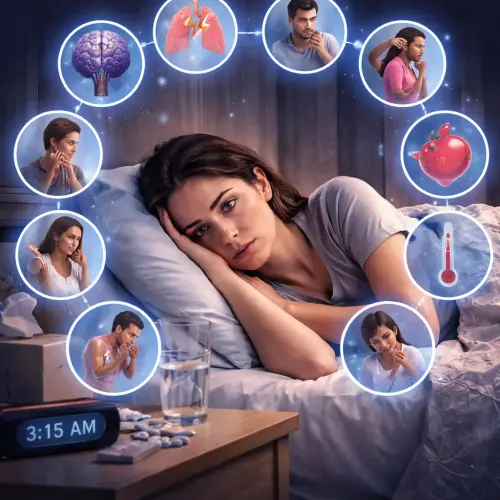
Recovering from COVID-19 is a marathon, not a sprint. For many, the virus leaves behind a trail of lingering symptoms that affect nearly every part of life, and sleep is often one of the first casualties. The connection between long COVID symptoms and sleep quality is complex and bidirectional. Poor sleep can amplify symptoms like fatigue and brain fog, while those same symptoms make it harder to sleep. Breaking this cycle requires recognizing which long COVID symptoms are disrupting your nights and addressing them with targeted, gentle strategies.
The 10 Long COVID Symptoms That Disrupt Sleep Quality
Here are the most common post-COVID sleep disorders and the symptoms that fuel them. For each, we explain why it happens and offer a practical tip to improve your rest. For a related guide, see Respiratory Disorders: Causes, Symptoms, and Treatment.
1. Chronic Fatigue and Exhaustion
Extreme tiredness that doesn’t improve with rest is a hallmark of long COVID. This Long COVID fatigue sleep paradox means you feel drained all day yet can’t sleep deeply at night. The body’s energy regulation systems become dysregulated.
Tip for better sleep: Establish a consistent wake-up time, even if you slept poorly. Avoid napping longer than 20 minutes during the day to preserve nighttime sleep pressure.
2. Breathlessness and Air Hunger
Feeling short of breath, especially when lying down, can trigger anxiety and keep you from relaxing into sleep. This is one of the most unsettling long COVID symptoms affecting rest.
Tip for better sleep: Sleep on your side with your head slightly elevated using an extra pillow. Practice slow, deep belly breathing before bed to calm your nervous system.
3. Chest Pain or Tightness
Persistent chest discomfort can make finding a comfortable sleeping position difficult. The fear of pain can also cause nighttime awakenings, damaging sleep quality.
Tip for better sleep: Use a supportive pillow that aligns your spine. Gentle stretching or a warm compress on the chest before bed may ease tension.
4. Brain Fog and Mental Exhaustion
The cognitive haze of long COVID—difficulty concentrating, memory lapses—can overstimulate the brain at night, leading to COVID insomnia. Your mind feels tired but wired.
Tip for better sleep: Create a “brain dump” ritual: write down worries and to-dos an hour before bed. Then turn off screens to let your mind truly disengage.
5. Muscle and Joint Pain
Widespread aches and pains are common in long COVID and can make shifting positions in bed painful, causing frequent micro-awakenings that fragment sleep quality.
Tip for better sleep: Take a warm Epsom salt bath before bed. Consider a medium-firm mattress that supports achy joints. Over-the-counter pain relief may help—talk to your doctor.
6. Heart Palpitations or Racing Heart
A sense of a pounding or fluttering heart, especially at night, can trigger adrenaline and make falling asleep feel impossible. This is a distressing long COVID symptom that often pairs with anxiety.
Tip for better sleep: Practice the 4-7-8 breathing technique: inhale for 4 seconds, hold for 7, exhale for 8. This activates the vagus nerve and slows heart rate. Avoid caffeine after noon.
7. Night Sweats and Temperature Dysregulation
Many long-haulers experience unpredictable hot flashes or chills at night. This post-COVID sleep disorder can leave you drenched in sweat and struggling to return to sleep.
Tip for better sleep: Layer your bedding so you can quickly adjust. Wear moisture-wicking pajamas. Keep a cool glass of water by the bed. A small fan can help regulate temperature.
8. Anxiety and Depression
The emotional toll of long COVID is immense. Racing thoughts, worry, and low mood are powerful drivers of COVID insomnia. Stress hormones keep the brain in a state of hyperarousal.
Tip for better sleep: Establish a calming bedtime routine: dim lights, herbal tea, and gentle yoga or meditation. If anxiety persists, consider speaking with a therapist who understands chronic illness.
9. Frequent Nighttime Urination (Nocturia)
Some long COVID patients report waking multiple times to urinate, possibly due to autonomic dysfunction. This obviously shatters sleep quality and deep sleep stages.
Tip for better sleep: Stop drinking fluids 2 hours before bed. Avoid diuretics like caffeine and alcohol in the evening. If the problem persists, discuss it with your healthcare provider.
10. Restless Legs or Limb Jerks
An uncontrollable urge to move the legs, along with twitching or jerking during sleep, is increasingly reported as a long COVID symptom. It disrupts falling asleep and prevents deep rest.
Tip for better sleep: Gentle leg stretches before bed, a warm foot bath, or a magnesium supplement (with your doctor’s approval) may ease symptoms. Avoid heavy meals close to bedtime.
How to Improve Sleep Quality with Long COVID
Beyond addressing individual symptoms, a few overarching strategies can help you rebuild healthy sleep. These tips focus on the unique challenges of Long COVID fatigue sleep and post-COVID sleep disorders.
Reclaim Your Circadian Rhythm
Long COVID can throw your internal clock out of sync. Try to get natural sunlight within 30 minutes of waking, even if it’s just sitting near a bright window. This signals your brain to produce melatonin at the right time later.
Pace Yourself During the Day
Pushing through fatigue often backfires, causing a “crash” that disrupts sleep. Use a pacing approach: alternate activity with rest, and stop before you feel exhausted. This helps reduce the severity of long COVID symptoms that interfere with sleep.
Create a Soothing Bedroom Environment
Keep your room cool, dark, and quiet. Blackout curtains, a white noise machine, and a comfortable temperature (around 65-68°F) can make a big difference. Remove electronic devices that emit blue light.
Useful Resources
For more information on managing long COVID and sleep, explore these trusted sources:
- CDC: Long COVID or Post-COVID Conditions – Official guidance on symptoms and management.
- Sleep Foundation: COVID-19 and Sleep – Research-based advice for improving sleep during and after COVID.
Final Thoughts on Long COVID and Sleep
Navigating long COVID symptoms and their impact on sleep quality is challenging, but you are not alone. By identifying which symptoms are keeping you awake and applying targeted tips, you can gradually improve your rest. Remember that recovery takes time, and small, consistent changes add up. Be patient with your body, seek support from healthcare professionals, and prioritize sleep as a vital part of your healing journey.
Frequently Asked Questions About long COVID symptoms sleep quality
Can long COVID cause insomnia?
Yes, COVID insomnia is a very common complaint. Inflammation, anxiety, and dysregulated sleep-wake cycles can all contribute to difficulty falling or staying asleep.
How long does long COVID insomnia last?
Duration varies. Some people experience insomnia for weeks, while others struggle for months. Addressing underlying symptoms and using good sleep hygiene can help shorten the timeline.
Is it normal to feel more tired after sleeping with long COVID?
Yes, this is typical of Long COVID fatigue sleep dysfunction. You may sleep 8 hours but wake unrefreshed because your sleep is light and fragmented.
Does long COVID cause sleep apnea?
It may worsen pre-existing sleep apnea or trigger new breathing issues at night. If you snore loudly or gasp for air, talk to your doctor about a sleep study.
What sleeping position is best for long COVID?
Sleeping on your side with your head slightly elevated can help with breathlessness and acid reflux, two common long COVID symptoms that disturb sleep.
Can long COVID cause vivid dreams or nightmares?
Many long-haulers report intense, vivid dreams. This may be due to stress, medication side effects, or disrupted REM sleep cycles. For a related guide, see 10 Risks of Melatonin Overuse Most People Ignore.
Should I take melatonin for long COVID insomnia ?
Melatonin can help reset your sleep-wake cycle, but it’s not a cure-all. Start with a low dose (1-3 mg) and consult your doctor, especially if you have autoimmune issues.
Does exercise help long COVID sleep quality?
Gentle exercise like walking or stretching can improve sleep quality, but overdoing it can crash your energy. Listen to your body and pace yourself.
Can diet affect long COVID sleep disorders?
Absolutely. Anti-inflammatory foods (berries, leafy greens, salmon) may reduce symptoms. Avoid heavy meals, sugar, and caffeine close to bedtime.
How do I know if my sleep issues are from long COVID or something else?
If your sleep problems began shortly after a COVID-19 infection and are accompanied by other long COVID symptoms like fatigue or brain fog, it’s likely related.
Can long COVID cause restless leg syndrome?
Yes, it’s reported as a post-COVID sleep disorder. The exact cause is unclear, but inflammation and iron dysregulation may play a role.
Are there natural remedies for COVID insomnia ?
Herbal teas (chamomile, valerian root), magnesium glycinate, and lavender essential oil are gentle options. Always check with a healthcare provider first.
Does long COVID affect REM sleep?
Studies suggest long COVID can alter sleep architecture, including reducing REM sleep. This may explain vivid dreams and unrefreshing sleep.
Should I see a sleep specialist for long COVID?
If your sleep quality doesn’t improve despite good sleep hygiene, a sleep specialist can help rule out conditions like sleep apnea or periodic limb movement disorder.
Can long COVID cause me to sleep too much?
Yes, hypersomnia (excessive sleep) is reported. You may sleep 10-12 hours but still feel exhausted. This is part of the Long COVID fatigue sleep spectrum.
Is blue light worse for long COVID sleep?
Blue light from screens can suppress melatonin and worsen COVID insomnia. Limit screen time 1-2 hours before bed or use blue-light-blocking glasses.
Can long COVID cause night sweats?
Yes, temperature dysregulation is a known long COVID symptom. Night sweats can disrupt sleep but often improve over time with supportive care.
Does long COVID insomnia go away on its own?
For many, sleep improves as other symptoms resolve. But active management—like pacing, sleep hygiene, and stress reduction—can speed the process.
What is the best sleep aid for long COVID?
There is no single best option. Melatonin, magnesium, and gentle sleep medications (prescribed by a doctor) can help. Focus on treating root symptoms first.
Can long COVID cause circadian rhythm disorders?
Yes, many long-haulers develop delayed sleep phase or irregular sleep-wake patterns. Morning sunlight and a fixed schedule are key treatments.