
If you live with depression, you already know that sleep rarely comes easy. Either you lie awake while the clock ticks past 3 AM, or you sleep 10 hours but wake up just as exhausted. This isn’t a coincidence — research shows that depression sleep cycle disruption is one of the most powerful and stubborn symptoms of the condition. Understanding exactly how this happens is the first step toward reclaiming restful nights.
In this guide, we’ll explore 13 specific ways depression changes your sleep — from disrupted REM to circadian clock damage — and share actionable strategies to restore balance.
depression sleep cycle Key Takeaways
Depression doesn’t just make you feel tired; it rewires your brain’s sleep architecture, throwing off every phase of the sleep cycle.
- A disrupted depression sleep cycle often leads to reduced slow-wave sleep and abnormal REM patterns, robbing you of restorative rest.
- Many people with depression experience multiple sleep changes at once, such as difficulty falling asleep and early morning waking.
- Treating the sleep disruption can significantly improve depression symptoms, and vice versa.
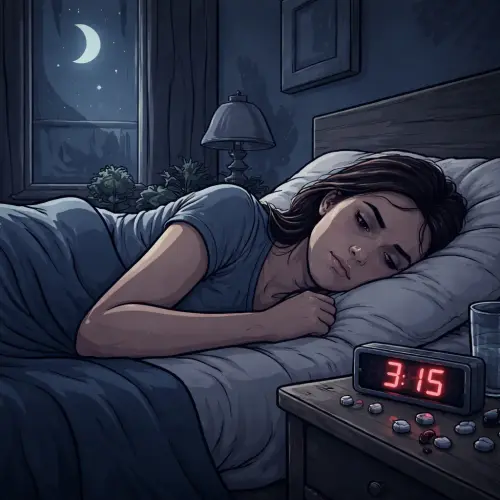
Why the Depression Sleep Cycle Is So Fragile
Your body runs on a natural 24-hour internal clock called the circadian rhythm. Depression interferes with this system at a biological level, often throwing off the release of melatonin and cortisol. The result is a sleep cycle disruption depression that can feel impossible to fix on your own. For a related guide, see 10 Ways Blue Light Exposure Is Ruining Your Sleep (Avoid These).
But the good news is that understanding each specific change gives you a target. Here are the 13 most common ways depression alters your sleep.
1. Difficulty Falling Asleep (Sleep-Onset Insomnia)
The most reported depression sleep changes include taking 30 minutes or longer to fall asleep. Racing thoughts, rumination, and heightened anxiety keep the brain in a hyper-aroused state. When your mind won’t stop replaying negative events or worrying about tomorrow, sleep becomes a battle. For a related guide, see Anxiety Chronic Insomnia: 9 Warning Signs and Better Options.
Impact: Chronic sleep-onset insomnia can worsen depression by increasing fatigue and reducing emotional resilience.
2. Frequent Nighttime Awakenings
Even when you do fall asleep, you may wake up several times during the night. This is often linked to elevated cortisol levels, which make the body stay on high alert. Each awakening fragments the sleep cycle and prevents you from completing full 90-minute sleep cycles.
Impact: Fragmented sleep reduces the amount of deep sleep you get, leading to daytime exhaustion even if total sleep time seems adequate.
3. Early Morning Waking (Terminal Insomnia)
Waking up at 4 or 5 AM and being unable to fall back asleep is a hallmark of melancholic depression. Your body’s internal clock advances, so you hit your natural wake time far too early. This is one of the most distinctive 13 ways depression affects sleep.
Impact: Early waking shortens total sleep and often leaves you lying in darkness, which can trigger feelings of hopelessness.
4. Oversleeping (Hypersomnia)
In atypical depression, the opposite happens: you may sleep 10–12 hours a night and still feel the urge to nap during the day. The brain’s reward system becomes sluggish, and sleep feels like an escape from emotional pain.
Impact: Oversleeping disrupts the depression sleep cycle by pushing the circadian clock later, making it even harder to wake up on time. It also reduces daytime activity, which further deepens depression.
5. Disrupted Rapid Eye Movement (REM) Sleep
REM sleep is when most dreaming occurs. Depression tends to shift the timing of REM: you enter REM too quickly (sometimes within 15 minutes) and spend more time in it than healthy sleepers. The dreams are often more intense, negative, and emotional.
Impact: Abnormal REM density is directly linked to the severity of depression. It also robs you of deep, non-REM restorative sleep.
6. Reduced Slow-Wave (Deep) Sleep
Slow-wave sleep (SWS) is the stage where your body repairs tissues, detoxes the brain, and consolidates memories. In depression, SWS is often significantly reduced. This means you spend less time in the most physically restorative part of the night.
Impact: Less SWS means your body doesn’t recharge properly, contributing to the heavy, fatigued feeling typical of depression.
7. Circadian Rhythm Misalignment
Your circadian rhythm dictates when you feel sleepy and when you feel alert. Depression often causes a phase delay (feeling awake until 2 AM) or a phase advance (feeling sleepy too early, then waking at 3 AM). Either way, your rhythm is out of sync with the day-night cycle.
Impact: Circadian misalignment makes it hard to maintain a consistent schedule, which worsens mood instability.
8. Non-Restorative Sleep
You can sleep for 8 hours, yet wake up feeling as if you didn’t sleep at all. This is called non-restorative sleep, and it’s common in depression even when total sleep time is normal. The brain fails to enter deep, healing sleep states.
Impact: Non-restorative sleep produces a sense of perpetual exhaustion that can make daily tasks feel overwhelming.
9. Increased Nightmares and Distressing Dreams
Because REM is altered, people with depression often report more frequent and vivid nightmares. These dreams tend to involve threat, loss, or failure. They trigger nighttime awakenings and make you fear going back to sleep.
Impact: Nightmares increase nighttime anxiety and further disrupt the depression sleep cycle, creating a cycle of sleep avoidance.
10. Restless Legs and Periodic Limb Movements
Depression is associated with higher rates of restless leg syndrome and periodic limb movement disorder. These conditions involve involuntary leg jerks or an uncontrollable urge to move the legs, especially at night.
Impact: Movements disrupt sleep architecture, causing multiple micro-awakenings that you may not even remember but that leave you tired in the morning.
11. Sleep Apnea Comorbidity
Obstructive sleep apnea (OSA) is significantly more common in people with depression than in the general population. OSA causes breathing to stop repeatedly during sleep, starving the brain of oxygen.
Impact: Untreated sleep apnea worsens depression, and depression can reduce motivation to treat sleep apnea, making it a dangerous cycle.
12. Daytime Sleepiness and Fatigue
All of these nighttime disruptions lead to one inevitable outcome: daytime sleepiness. But depression-related fatigue is different from normal tiredness — it often feels like a heavy weight that doesn’t go away after rest.
Impact: Chronic daytime sleepiness reduces productivity, social engagement, and motivation, which feeds the depressive spiral.
13. Blunted Response to Sleep Pressure
Your body builds up “sleep pressure” the longer you stay awake, but in depression, this mechanism becomes less effective. You may not feel sleepy even after being awake for 18 hours. This blunted response makes it difficult to maintain a regular sleep-wake schedule. For a related guide, see 14 Warning Signs Anxiety Is Fueling Your Chronic Insomnia.
Impact: Without normal sleep pressure cues, you are more likely to stay up late or sleep irregular hours, worsening circadian disruption.
How to Start Rebuilding Your Depression Sleep Cycle
You don’t have to tackle all 13 issues at once. Small, consistent changes can make a real difference over time. Here are several evidence-based coping strategies.
Prioritize Morning Light Exposure
Get 15–30 minutes of natural sunlight within the first hour of waking. This helps reset your circadian rhythm and reduces the phase delays common in depression.
Set a Fixed Wake-Up Time (Even Weekends)
Your brain craves consistency. Waking at the same time every day anchors your sleep cycle disruption depression patterns and gradually realigns your internal clock.
Use Cognitive Behavioral Therapy for Insomnia (CBT-I)
CBT-I is a structured program that addresses the thoughts and behaviors keeping you awake. Many studies show it works as well as medication for chronic insomnia.
Limit Stimulants After Noon
Caffeine, nicotine, and even heavy exercise late in the day can amplify the hyperarousal that drives sleep-onset insomnia. Try cutting them off by 2 PM.
Create a Wind-Down Routine
Dim overhead lights, avoid screens for 60 minutes, and try gentle relaxation techniques like progressive muscle relaxation or deep breathing.
Evaluate for Co-Existing Sleep Disorders
If you suspect sleep apnea, restless legs, or another medical condition, consider a sleep study. Treating the underlying sleep disorder can dramatically improve both sleep and mood.
Work With a Professional
Don’t try to fix everything alone. A therapist, psychiatrist, or sleep specialist can tailor a plan to your specific depression sleep cycle issues.
Useful Resources
For more information on managing sleep and depression together, we recommend these trusted sources:
- Sleep Foundation: How Depression Affects Sleep — A comprehensive overview of the links between depression and common sleep disorders.
- National Institute of Mental Health: Depression — Official resource covering symptoms, treatments, and the latest research on depression.
Frequently Asked Questions About depression sleep cycle
Can depression cause insomnia?
Yes, depression is one of the most common causes of chronic insomnia. It can create a hyper-aroused state in the brain that makes falling and staying asleep difficult.
Can depression make you sleep too much?
Absolutely. In atypical depression, hypersomnia — sleeping 10 hours or more per night — is a hallmark symptom.
What is the most common sleep problem in depression?
Difficulty falling asleep (sleep-onset insomnia) and early morning waking are the two most common patterns reported in clinical studies.
Does depression change the quality of your dreams?
Yes. Depression often leads to more frequent, vivid, and negative dreams due to altered REM sleep timing and density.
Can treating sleep problems improve depression?
In many cases, yes. Improving sleep can reduce the severity of depressive symptoms, although it’s usually most effective alongside therapy or medication.
How does depression affect the circadian rhythm?
Depression can cause phase delays (feeling alert late at night) or phase advances (waking too early), throwing your internal clock out of sync with the environment.
What is non-restorative sleep?
Non-restorative sleep is when you sleep enough hours but wake up feeling unrefreshed. It’s common in depression and linked to reduced slow-wave sleep.
Is sleep apnea connected to depression?
Yes, there is a strong bidirectional relationship. People with depression are more likely to have sleep apnea, and untreated apnea can worsen depression.
Can antidepressants mess up your sleep?
Some antidepressants can initially worsen sleep problems or cause vivid dreams. However, many also improve sleep in the long run by treating the depression itself.
What is the best sleep schedule for depression?
Consistency is key. Aim for a fixed wake-up time, 7–9 hours in bed, and avoid napping late in the afternoon.
Does exercise help depression sleep issues?
Regular moderate exercise can improve sleep quality and reduce depressive symptoms by boosting serotonin and regulating circadian rhythms.
Can lack of sleep trigger depression?
Chronic sleep deprivation can increase the risk of developing depression or triggering a relapse in people with a history of it.
What is the role of melatonin in depression sleep cycle?
Melatonin secretion is often delayed or blunted in depression, contributing to circadian misalignment. Melatonin supplements can help, but should be used under a doctor’s guidance.
How common is oversleeping in depression?
It’s the second most common sleep symptom after insomnia, affecting about 15–30% of people with depression, especially those with atypical features.
Can children with depression have sleep problems?
Yes. Children and teens with depression often experience nightmares, difficulty falling asleep, and daytime sleepiness.
Does light therapy work for depression sleep cycle problems?
Light therapy, especially with bright light in the morning, can help realign the circadian rhythm and improve both sleep and mood in certain types of depression.
What is the connection between REM sleep and depression?
In depression, REM sleep often begins too early and is more intense, leading to vivid dreams and less restorative sleep.
Should I take sleeping pills if I have depression?
Use caution. Some sleep aids can worsen depressive symptoms or interact with antidepressants. Always consult your doctor before taking any sleep medication.
Can meditation help with depression-related insomnia?
Mindfulness meditation and relaxation techniques have been shown to reduce sleep latency and improve sleep quality in people with depression.
How long does it take to fix depression-related sleep problems?
Consistent lifestyle changes can show improvements within 2–4 weeks, but more deeply entrenched patterns may take several months of treatment.