
Gen Z sleep problems Key Takeaways
Members of Gen Z are experiencing more sleep disruptions than previous generations, with factors ranging from constant screen exposure to academic and social pressure.
- Gen Z sleep problems are driven by a mix of digital habits, mental health challenges, and lifestyle shifts unique to this generation.
- Blue light from devices, social media anxiety, and irregular schedules are among the top contributors to poor sleep quality.
- Practical changes like setting screen limits, creating wind-down routines, and seeking professional support can help restore restful sleep.
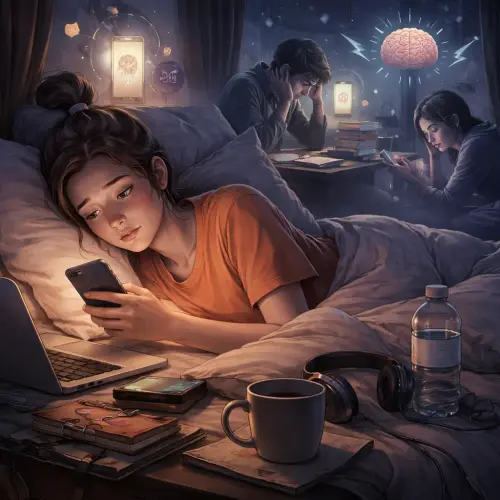
What Is Behind the Rise in Gen Z Sleep Problems?
Sleep deprivation has become a defining health concern for Gen Z, those born roughly between 1997 and 2012. While teens and young adults have always faced sleep challenges, the scale and complexity of today’s issues are unprecedented. Research shows that over 70% of Gen Z adults report not getting enough rest on a regular basis. For a related guide, see 10 Proven Causes of Sleepwalking in Adults You Must Know.
From the classroom to the workplace, the consequences are real: lower focus, weakened immunity, and increased irritability. Yet the causes are not always obvious. Many are rooted in the modern digital environment, cultural shifts, and changing expectations around productivity. Below are the 15 most compelling reasons why Gen Z sleep problems have become so widespread—and what can be done about them.
1. Late-Night Screen Time Disrupts the Circadian Rhythm
Smartphones, tablets, and laptops emit blue light that suppresses melatonin production. Gen Z, the first true digital natives, often spend three to four hours on screens before bed, scrolling social media or watching videos. This directly signals the brain to stay alert, delaying sleep onset and reducing sleep quality. For a related guide, see 10 Gut Health Issues Ruining Your Sleep (Proven Fixes).
2. Social Media Fuels Anxiety and FOMO
Constant exposure to curated posts from peers can trigger feelings of inadequacy and the fear of missing out (FOMO). Checking notifications or responding to messages late into the night keeps the mind in a reactive state, making it hard to unwind. Studies have linked heavy social media use with higher rates of insomnia among young adults.
3. Academic Pressure and Homework Overload
The pressure to excel in school, build a résumé, and prepare for an uncertain job market leaves many Gen Z teens burning the midnight oil. Late-night study sessions and early school start times create a chronic sleep debt that weekends rarely fix.
4. Caffeine Consumption Patterns
Energy drinks, cold brew coffee, and caffeinated teas have become staples for staying alert during long school or work hours. However, consuming caffeine after 2 p.m. can disrupt the ability to fall asleep naturally, especially when combined with high-sugar content that further destabilizes sleep cycles.
5. Irregular Sleep Schedules From Online Classes
The shift to remote and hybrid learning gave many students the flexibility to sleep in—but it also erased the consistent wake-up times that anchor a healthy circadian rhythm. Without a fixed schedule, bedtime drifts later each night, leading to a state of perpetual jet lag.
6. Mental Health Struggles Like Anxiety and Depression
Rates of anxiety and depression among Gen Z are higher than in previous generations at the same age. These conditions are closely linked to sleep disorders: an anxious brain struggles to quiet its racing thoughts, while depression often brings oversleeping or fragmented rest. For a related guide, see Anxiety Chronic Insomnia: 9 Warning Signs and Better Options.
7. Lack of Physical Activity During the Day
With many school and work activities now happening online, Gen Z spends more hours sedentary than any prior cohort. Regular physical activity supports deeper sleep by helping regulate body temperature and stress hormones. A lack of movement makes it harder for the body to signal that it is ready for rest.
8. Overstimulation From Fast-Paced Content
Short-form videos on platforms like TikTok and Instagram Reels deliver rapid dopamine hits that keep the brain in a high-alert state. Scrolling through dozens of clips right before bed prevents the gradual mental slowdown necessary for falling asleep.
9. Bedroom Environment That Is Not Sleep-Friendly
Many Gen Z individuals live in shared spaces, dorm rooms, or apartments where they have limited control over lighting, noise, and temperature. A room that is too bright, too warm, or too loud can significantly reduce sleep efficiency without the person even realizing it.
10. Co-Sleeping With Devices
Charging a phone on the nightstand or keeping a laptop within arm’s reach creates a psychological association between the bed and alertness. Even the glow of a charging indicator or the buzz of a notification can stir the brain from lighter stages of sleep.
11. Unrealistic Productivity Expectations
Gen Z often feels pressured to be constantly productive—building side hustles, networking, and learning new skills. This hustle culture glorifies skipping sleep as a badge of dedication, leading many to sacrifice rest for short-term output.
12. High Consumption of Late-Night Food and Snacks
Eating heavy, sugary, or spicy foods close to bedtime can cause indigestion and acid reflux, both of which interfere with sleep. Food delivery services make it easy to order a meal at 10 p.m., further delaying the body’s natural preparation for rest.
13. Noise and Light Pollution in Urban Living
Many Gen Z members live in cities where streetlights, traffic noise, and neighbor activity create a 24-hour environment. Even with curtains closed, urban light pollution can penetrate windows and suppress melatonin production.
14. Delayed Bedtimes From Gaming Culture
Online multiplayer games often feature nighttime events or require coordination with friends in different time zones. The immersive nature of gaming makes it easy to lose track of time, pushing sleep past 1 a.m. or 2 a.m. regularly.
15. Lack of Education About Sleep Hygiene
Schools and families rarely teach young people how to build good sleep habits. Many Gen Z individuals have never learned about the importance of wind-down routines, consistent sleep schedules, or the impact of caffeine timing. This knowledge gap leaves them vulnerable to chronic sleep deprivation.
How to Address Gen Z Sleep Problems Naturally
While each cause requires a tailored approach, several general strategies can make a meaningful difference. Encouraging screen-free time 60 minutes before bed, using blue-light blocking glasses in the evening, and setting a fixed wake-up time every day can help reset the body’s internal clock. Mindfulness practices, such as journaling or deep breathing, can calm an overactive mind.
For those who continue to struggle, consulting a healthcare professional is important. Often, addressing Gen Z sleep problems requires a combination of behavioral changes and, in some cases, medical support for underlying mental health conditions.
Understanding the Bigger Picture of Gen Z Sleep Problems
The trend of poor sleep among Gen Z is not just about individual habits—it reflects larger societal changes. From 24-hour connectivity to a cultural focus on achievement, the world young people navigate today is fundamentally different from that of previous generations.
Recognizing these systemic factors can reduce the shame that often accompanies sleep struggles. Instead of simply telling young people to “get more sleep,” it is more effective to create environments—at home, at school, and online—that support rest as a priority.
Useful Resources
For further reading on sleep health and digital habits, see these credible sources:
- The Sleep Foundation: Teens and Sleep — Comprehensive guide on sleep needs, challenges, and solutions for adolescents and young adults.
- American Psychiatric Association: Social Media and Teen Mental Health — Expert analysis on how digital platforms affect emotional well-being and sleep.
Frequently Asked Questions About Gen Z sleep problems
What is the main cause of Gen Z sleep problems ?
The most common cause is excessive screen time before bed, which disrupts natural melatonin production due to blue light exposure.
How many hours of sleep does Gen Z actually need?
Most experts recommend 7 to 9 hours of quality sleep per night for young adults and teenagers.
Does social media cause insomnia in Gen Z?
Yes, heavy social media use, especially before bed, is strongly linked to higher rates of insomnia due to mental stimulation and emotional arousal.
Can caffeine really affect a teen’s sleep that much?
Yes, caffeine can stay in the system for 6 to 8 hours, and consuming it after mid-afternoon can make it significantly harder to fall asleep.
Are energy drinks making Gen Z sleep problems worse?
Energy drinks combine high caffeine with sugar and stimulants like taurine, which can increase heart rate and delay sleep onset.
What is the best temperature for sleeping?
A cool room temperature between 65 and 68 degrees Fahrenheit (18-20°C) is considered ideal for most people.
Does using night mode on phones help sleep?
Night mode reduces blue light somewhat, but it is not a complete solution. The bright screen itself can still suppress melatonin.
Is it true that Gen Z sleeps less than millennials?
Several studies show that Gen Z reports less overall sleep and more sleep disturbances than millennials did at the same age.
How does anxiety cause sleep problems?
Anxiety keeps the brain in a hyperalert state, making it difficult to relax and fall into the deeper stages of sleep.
Can exercise help with Gen Z sleep problems ?
Yes, regular exercise, especially aerobic activity, has been shown to improve sleep quality and regulate circadian rhythms.
What foods interfere with sleep?
Spicy, fatty, or sugary foods eaten late at night can cause heartburn and restless sleep. Caffeine and chocolate are also common culprits.
Should Gen Z avoid napping?
Short power naps (20 minutes) in the early afternoon can be helpful, but long or late naps often disrupt nighttime sleep.
Are weighted blankets helpful for Gen Z sleep problems ?
Many people find weighted blankets calming, as the pressure can stimulate the release of sleep-promoting hormones like serotonin.
Does meditation or journaling help?
Yes, mindfulness practices and journaling before bed can quiet racing thoughts and ease the transition to sleep.
Why do so many Gen Z students stay up late?
Academic pressure, social media, gaming, and a lack of fixed routines in remote learning environments all contribute to late bedtimes.
What is revenge bedtime procrastination?
It is the decision to delay sleep to reclaim personal time, often seen in Gen Z who feel their daytime hours are controlled by obligations.
Can bedroom lighting affect Gen Z sleep quality?
Absolutely. Bright or blue-toned lighting tricks the brain into thinking it is daytime, so dim warm lights are better before bed.
Are sleep supplements safe for teenagers?
Melatonin supplements can be used short-term under medical supervision, but long-term safety for teens is not fully established.
Do early school start times worsen Gen Z sleep problems ?
Yes, many schools start before 8 a.m., which conflicts with the natural later sleep-wake cycle of adolescents and young adults.
Where can I find more information on Gen Z sleep problems ?
Check the resources listed above or speak with a healthcare provider for personalised sleep health advice.