
Health Risks Linked to Untreated Sleep Apnea Key Takeaways
Sleep apnea affects an estimated 30 million adults in the United States alone, yet the vast majority remain undiagnosed.
- Health risks linked to untreated sleep apnea include cardiovascular disease, stroke, diabetes, cognitive decline, and mood disorders, all stemming from chronic oxygen drops during sleep.
- Early diagnosis through a sleep study and consistent CPAP therapy can significantly reduce or reverse many of these complications.
- Lifestyle factors such as weight management and positional sleeping can also improve sleep health and lower untreated sleep apnea risks .
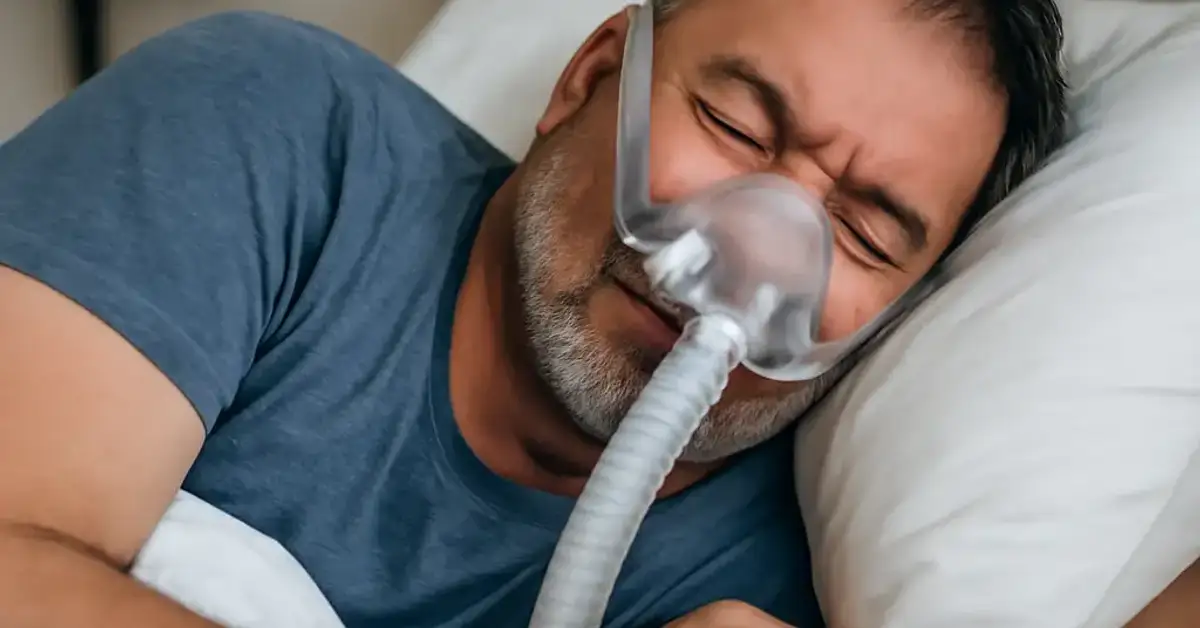
What Everyone Should Know About Health Risks Linked to Untreated Sleep Apnea
Sleep apnea affects an estimated 30 million adults in the United States alone, yet the vast majority remain undiagnosed. Each night, those with obstructive sleep apnea experience repeated pauses in breathing that last from ten seconds to over a minute. These episodes can occur hundreds of times per night, causing blood oxygen levels to drop and forcing the heart and brain to work overtime just to restart breathing. The cumulative toll of this nightly stress goes far beyond feeling tired. Understanding the full scope of health complications tied to untreated sleep apnea can motivate you to seek the medical treatment sleep apnea you need.
1. Cardiovascular Disease and Hypertension: The Heart Under Siege
One of the most well-documented health risks linked to untreated sleep apnea is its devastating impact on the cardiovascular system. When breathing stops during sleep, oxygen levels in the blood plummet. The brain responds by sending emergency signals that constrict blood vessels and spike heart rate to restore airflow. Over months and years, this repeated cycle leads to persistent hypertension, even during waking hours. For a related guide, see 12 Sleep Disorder Risks That Trigger Heart Disease – Avoid Now.
Studies show that up to 50% of people with untreated sleep apnea have high blood pressure, and that figure climbs even higher among those with resistant hypertension. The same mechanism contributes to heart disease, including coronary artery disease and heart failure. Chronic oxygen deprivation forces the heart muscle to pump harder, increasing the risk of atherosclerosis and cardiac events. Treating sleep apnea with CPAP therapy has been shown to lower blood pressure and improve heart function, making it a vital intervention for anyone concerned about cardiovascular disease and sleep apnea.
How Oxygen Deprivation Damages Blood Vessels
Each apnea event triggers a surge in sympathetic nervous system activity, which keeps blood vessels in a constant state of constriction. The resulting endothelial dysfunction makes it easier for plaque to build up in arteries. Over time, this creates a perfect storm for heart attacks and other cardiovascular complications. The sleep apnea hypertension connection is so strong that many cardiologists now routinely screen their patients for obstructive sleep apnea.
2. Stroke Risk: When Breathing Patterns Turn Dangerous
The sleep apnea stroke risk is alarmingly high. Research indicates that people with moderate to severe untreated sleep apnea are two to three times more likely to suffer a stroke compared to those without the condition. The reasons are multifaceted. Repeated oxygen deprivation triggers inflammation throughout the body, increases blood clotting tendencies, and promotes the development of atrial fibrillation, a major stroke risk factor.
During apnea events, blood pressure spikes dramatically, sometimes reaching levels that can weaken blood vessels in the brain. Additionally, disrupted breathing patterns during sleep reduce the amount of oxygen that reaches brain tissue, making it more vulnerable to ischemic damage. Addressing breathing problems during sleep through diagnosis and treatment is one of the most effective ways to lower stroke risk in at-risk populations.
3. Type 2 Diabetes and Insulin Resistance: The Metabolic Connection
The relationship between sleep apnea diabetes is bidirectional and well established. Chronic poor sleep quality caused by repeated nighttime awakenings disrupts the body’s ability to regulate blood sugar. Each apnea event triggers a stress response that releases cortisol and other hormones, which in turn raise glucose levels. Over time, this leads to insulin resistance, a precursor to type 2 diabetes.
Individuals with untreated sleep apnea are significantly more likely to develop metabolic disorders, including prediabetes and full-blown diabetes. The health effects of poor sleep on metabolism are profound: even one night of fragmented sleep can impair insulin sensitivity by up to 25%. Fortunately, consistent CPAP therapy has been shown to improve glycemic control and reduce insulin resistance, highlighting the importance of medical treatment sleep apnea for metabolic health.
4. Chronic Fatigue and Daytime Sleepiness: Productivity and Safety at Risk
Few symptoms capture the daily reality of untreated sleep apnea risks better than overwhelming fatigue and excessive sleepiness. Because the brain never enters deep, restorative sleep stages, people with obstructive sleep apnea wake up feeling as if they never slept at all. This chronic fatigue affects every aspect of life, from work performance to relationships.
The dangers extend beyond discomfort. Drowsy driving is a major public safety concern; studies indicate that people with untreated sleep apnea are up to five times more likely to be involved in motor vehicle accidents. Workplace errors, reduced reaction times, and impaired judgment all stem from persistent excessive sleepiness. Treating the underlying sleep disorder can restore energy levels and dramatically improve alertness and safety.
5. Cognitive Decline and Memory Loss: The Brain’s Silent Struggle
Chronic oxygen deprivation and fragmented sleep take a heavy toll on brain function. People with untreated sleep apnea frequently report cognitive decline, including problems with short-term memory, concentration, and executive function. Brain imaging studies show structural changes, including reduced gray matter in areas responsible for memory and decision-making.
The mechanism is twofold: low oxygen levels damage neurons directly, while the lack of restorative sleep prevents the brain from consolidating memories and clearing metabolic waste. Over time, untreated sleep apnea may accelerate the progression of mild cognitive impairment and has been linked to a higher risk of dementia. The cognitive decline sleep apnea connection underscores the urgency of early diagnosis through a sleep study.
6. Mood Disorders: Depression and Anxiety Amplified by Sleep Disruption
Sleep and mood are intimately connected. The chronic exhaustion and hormonal chaos caused by untreated sleep apnea often manifest as mood disorders, including depression and anxiety. Studies suggest that up to 45% of people with obstructive sleep apnea experience significant depressive symptoms, while anxiety rates are similarly elevated.
The health effects of poor sleep on emotional regulation are well documented. Each apnea event triggers a stress response that floods the body with cortisol, keeping the nervous system in a state of high alert. This biological stress, combined with the social and professional consequences of chronic fatigue, creates a downward spiral that can be difficult to escape without addressing the root cause. Treatment with CPAP therapy often leads to noticeable improvements in mood and emotional stability.
7. Weakened Immune System: The Cost of Poor Restorative Sleep
During deep sleep, the immune system produces cytokines and other infection-fighting molecules. When breathing problems during sleep prevent the body from reaching these essential stages, immune function suffers. People with untreated sleep apnea are more susceptible to common infections, take longer to recover from illness, and have a blunted response to vaccines.
Chronic sleep disruption also promotes low-grade systemic inflammation, which is a common denominator in many chronic diseases. Supporting sleep health through proper treatment not only improves daily energy but also strengthens the body’s natural defenses against illness.
8. Irregular Heart Rhythms and Atrial Fibrillation
The link between heart disease sleep apnea extends to the electrical system of the heart. Oxygen deprivation and the resulting changes in intrathoracic pressure during apnea events create a prime environment for arrhythmias, particularly atrial fibrillation (AFib). AFib is a chaotic heart rhythm that significantly raises the risk of stroke and heart failure.
Studies show that the prevalence of obstructive sleep apnea among people with AFib is as high as 80%. Treating sleep apnea often reduces the burden of AFib and improves the success rate of cardioversion and ablation procedures. Anyone with a history of arrhythmias should consider a sleep study to rule out underlying sleep apnea hypertension and rhythm disturbances.
9. Weight Gain and Metabolic Imbalance: A Vicious Cycle
Health risks linked to untreated sleep apnea include significant metabolic disruption that promotes weight gain and makes weight loss nearly impossible. The hormonal imbalance caused by poor sleep quality increases levels of ghrelin (the hunger hormone) while suppressing leptin (the satiety hormone). This drives cravings for high-carbohydrate and sugary foods.
At the same time, chronic fatigue reduces motivation for physical activity, and metabolic disorders such as insulin resistance encourage fat storage, particularly around the abdomen. This creates a vicious cycle where weight gain worsens obstructive sleep apnea, which in turn deepens the metabolic imbalance. Breaking the cycle requires both medical treatment sleep apnea and targeted lifestyle changes.
10. Liver Problems: Nonalcoholic Fatty Liver Disease
Lesser-known but equally serious are the liver problems linked to untreated sleep apnea. Repeated oxygen deprivation and the resulting oxidative stress contribute to the development of nonalcoholic fatty liver disease (NAFLD). Research has found that the severity of sleep apnea correlates with the degree of liver fat accumulation and inflammation.
The mechanism involves intermittent hypoxia triggering inflammation and insulin resistance, both of which promote fat deposition in the liver. Over time, this can progress to steatohepatitis, cirrhosis, and even liver failure. Addressing breathing problems during sleep through treatment can help slow or reverse liver damage in many patients.
11. Surgical and Anesthesia Complications
People with undiagnosed or untreated sleep apnea face significantly higher risks during surgery and anesthesia. The sedatives and opioids used in anesthesia can depress respiratory drive, leading to dangerous breathing problems during sleep or even respiratory arrest in the recovery room. Patients with obstructive sleep apnea are more likely to experience difficult intubation, postoperative oxygen desaturation, and prolonged hospital stays.
For this reason, many surgical centers now require preoperative screening for sleep apnea. If you are scheduled for surgery and have symptoms such as snoring or daytime fatigue, inform your anesthesiologist. Using CPAP therapy during the perioperative period can dramatically reduce complications and improve recovery outcomes.
Frequently Asked Questions About Health Risks Linked to Untreated Sleep Apnea
Useful Resources
For authoritative guidance on diagnosis and treatment, explore the resources below.
- National Heart, Lung, and Blood Institute – Sleep Apnea Overview
- Sleep Foundation – Comprehensive Sleep Apnea Guide
Frequently Asked Questions About Health Risks Linked to Untreated Sleep Apnea
What are the risks of untreated sleep apnea?
Untreated sleep apnea significantly raises your risk for hypertension, heart disease, stroke, type 2 diabetes, cognitive decline, mood disorders, and accidents due to daytime sleepiness. The repeated oxygen deprivation stresses your entire body.
Can sleep apnea cause heart disease?
Yes, untreated sleep apnea is a major contributor to cardiovascular disease. It causes hypertension, promotes atherosclerosis, increases the risk of heart failure, and is strongly linked to coronary artery disease.
How does sleep apnea affect the brain?
Sleep apnea damages the brain through repeated oxygen deprivation and fragmented sleep. This leads to cognitive decline, memory loss, poor concentration, and an elevated risk of dementia over time.
Is untreated sleep apnea dangerous?
Yes, untreated sleep apnea is a life-threatening condition. It increases the risk of fatal cardiovascular events, strokes, accidents from drowsy driving, and long-term metabolic damage. Early diagnosis is critical.
Can sleep apnea lead to stroke?
Yes, studies show that people with moderate to severe untreated sleep apnea are two to three times more likely to have a stroke. The condition promotes hypertension, atrial fibrillation, and blood clotting abnormalities.
What complications come from sleep apnea?
Complications include cardiovascular disease, stroke, type 2 diabetes, fatty liver disease, cognitive decline, depression, heart arrhythmias, sexual dysfunction, and increased surgical risks.
How does sleep apnea affect metabolism?
Sleep apnea disrupts hormonal regulation, leading to insulin resistance, weight gain, and an increased risk of metabolic syndrome. It alters hunger hormones and promotes fat storage.
Can sleep apnea cause diabetes?
Yes, untreated sleep apnea increases the risk of developing type 2 diabetes. The chronic sleep fragmentation and oxygen drops impair glucose metabolism and promote insulin resistance.
What happens if sleep apnea is not treated?
If left untreated, sleep apnea progressively damages the heart, brain, metabolism, and immune system. The condition worsens over time, and the associated health risks increase sharply.
How does CPAP therapy reduce health risks?
CPAP therapy keeps the airway open during sleep, eliminating apnea events and restoring normal oxygen levels. This lowers blood pressure, improves heart function, stabilizes blood sugar, and enhances cognitive and emotional health.
Can sleep apnea be cured without a machine?
For mild cases, lifestyle changes like weight loss, positional therapy, and avoiding alcohol before bed may help. However, moderate to severe sleep apnea typically requires CPAP or other medical treatments to adequately protect health.
Is sleep apnea genetic?
Yes, there is a genetic component to sleep apnea. Family history of the condition, along with inherited traits such as jaw structure and body fat distribution, can increase your risk.
How do I know if I have sleep apnea?
Common signs include loud snoring, witnessed breathing pauses during sleep, choking or gasping sounds, excessive daytime sleepiness, morning headaches, and waking with a dry mouth. A sleep study is the only definitive way to diagnose it. For a related guide, see 12 Symptoms of Sleep Related Breathing Problems.
What is a sleep study like?
A sleep study may be done in a lab or at home. It records your breathing, oxygen levels, heart rate, brain waves, and body movements throughout the night. The data reveals the severity of your sleep apnea.
Can sleep apnea affect your sex life?
Yes, untreated sleep apnea often causes low libido and sexual dysfunction in both men and women. The hormonal imbalances, fatigue, and reduced blood flow associated with the condition contribute to this problem.
Does sleep apnea cause weight gain?
Yes, sleep apnea promotes weight gain through hormonal disruption, increased appetite, and reduced energy for exercise. The relationship is bidirectional, as excess weight also worsens sleep apnea.
Can sleep apnea damage your liver?
Yes, untreated sleep apnea is linked to nonalcoholic fatty liver disease. The intermittent hypoxia and inflammation stress the liver, leading to fat accumulation and potential progression to cirrhosis.
Is sleep apnea linked to asthma?
Yes, there is a strong association between sleep apnea and asthma. The two conditions share overlapping mechanisms such as inflammation and airway sensitivity. Treating one often improves the other.
Can CPAP cause side effects?
Some people experience minor side effects like nasal congestion, dry mouth, or skin irritation from the mask. These are usually manageable with humidification, proper mask fit, and gradual adjustment.
How long does it take for CPAP to show results?
Many people notice improved energy and alertness within the first few days to weeks of consistent use. Reductions in blood pressure and other health markers typically become evident after a few months of nightly therapy.