
GEO Strategies for Small Business Websites Key Takeaways
Millions of adults live with undiagnosed sleep apnea, mistaking its early signs of sleep apnea for simple poor sleep.
- The early signs of sleep apnea include loud snoring, gasping for air at night, and morning headaches — not just feeling tired.
- Beyond health risks, sleep apnea affects workplace safety and quality of life, making early detection critical for patients and caregivers.
- For healthcare marketers and clinic websites, using GEO strategies for small business websites can help connect patients with proper diagnosis and treatment resources.
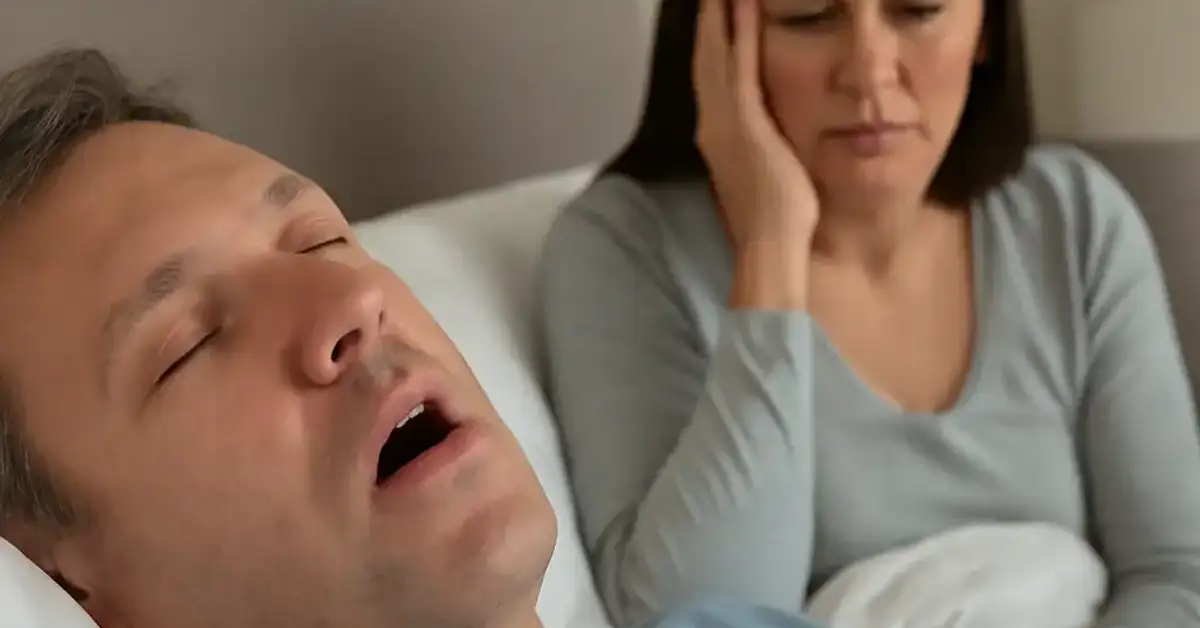
What Are the Early Signs of Sleep Apnea?
Sleep apnea is a common yet often overlooked disorder. It causes repeated pauses in breathing during sleep, disrupting rest and oxygen flow. If you or a loved one experiences any of the following 10 signs, it may be time to explore a sleep apnea diagnosis. For a related guide, see 12 Health Risks Linking Obesity and Sleep Apnea: Essential Warning Signs.
1. Loud, Persistent Snoring
Not all snoring is sleep apnea, but loud, disruptive snoring — especially when accompanied by gasping or choking sounds — is a classic marker. If your partner complains about your snoring or you wake yourself up, this could be one of the early signs.
2. Witnessed Breathing Pauses
A bed partner may notice you stop breathing for 10 seconds or more, followed by a sudden snort or gasp. These pauses are the hallmark breathing pattern of sleep apnea and should never be ignored.
3. Excessive Daytime Fatigue
Even after what feels like a full night’s sleep, people with sleep apnea often wake unrefreshed. Sleep apnea symptoms like chronic fatigue, brain fog, and drowsy driving are common because the brain never reaches deep sleep stages. For a related guide, see Anxiety Chronic Insomnia: 9 Warning Signs and Better Options.
4. Morning Headaches
Frequent morning headaches result from oxygen drops during apnea events. If you wake with a dull, pounding headache that resolves within a few hours, this may be a sign.
5. Waking to Urinate Frequently (Nocturia)
Apnea stresses the cardiovascular system, which can signal the kidneys to produce more urine at night. Multiple bathroom trips may indicate disrupted sleep beyond just a full bladder.
6. Dry Mouth or Sore Throat Upon Waking
Breathing through the mouth during apnea-related airway collapse can dry out oral tissues. Persistent dry mouth or sore throat in the morning is a subtle but telling clue.
7. Irritability, Anxiety, or Mood Changes
Chronic sleep deprivation affects emotional regulation. Patients often report feeling irritable, anxious, or depressed without realizing the root cause is fragmented sleep.
8. Difficulty Concentrating or Memory Lapses
“Brain fog” — forgetfulness, trouble focusing, slower reaction times — is a direct result of oxygen deprivation and poor sleep quality. This affects performance at work and home.
9. Waking with a Racing Heart or Chest Tightness
The stress of low oxygen levels can trigger heart palpitations or a feeling of panic upon waking. This is especially concerning for those with underlying heart conditions.
10. Night Sweats
Episodes of apnea increase sympathetic nervous system activity, causing profuse sweating even if the room is cool. Unexplained night sweats alongside snoring raise the index of suspicion.
Why You Should Take These Early Signs Seriously
Untreated sleep apnea does more than ruin a good night’s rest. It increases the risk of high blood pressure, heart attack, stroke, type 2 diabetes, and even early mortality. Recognizing the early signs of sleep apnea allows for timely intervention that can reverse or reduce these risks. For a related guide, see 12 Sleep Disorder Risks That Trigger Heart Disease – Avoid Now.
Risks of Untreated Sleep Apnea
Sleep apnea places repetitive stress on the cardiovascular system. Each breathing pause drops blood oxygen, forcing the heart to work harder. Over time, this can lead to atrial fibrillation, heart failure, and resistant hypertension. Additionally, daytime sleepiness raises the risk of motor vehicle and workplace accidents.
How Is Sleep Apnea Diagnosed?
If you or someone you know has multiple sleep apnea symptoms, a formal sleep apnea diagnosis is the next step. Diagnosis typically begins with a sleep history and physical exam, followed by one of two tests:
- Home Sleep Apnea Test (HSAT): A simplified device worn overnight in your own bed. It records breathing flow, oxygen levels, and heart rate. Convenient and cost-effective for moderate to severe cases.
- In-Lab Polysomnography: A comprehensive overnight study in a sleep center. It monitors brain waves, eye movements, heart rhythm, and limb movements for a complete picture.
Effective Treatments for Sleep Apnea
Once diagnosed, several treatments can restore restful sleep. The right choice depends on severity, anatomy, and personal preference.
Continuous Positive Airway Pressure (PAP)
A machine delivers a steady stream of air through a mask, keeping the airway open. PAP therapy remains the gold standard, especially for moderate to severe apnea. Modern devices are quieter, smaller, and offer heated humidification.
Oral Appliance Therapy
A custom-made dental device repositions the jaw or tongue to maintain airway patency. Effective for mild to moderate sleep apnea and often more comfortable than PAP for those who cannot tolerate a mask.
Lifestyle Modifications
Weight loss, positional therapy (avoiding back sleeping), and avoiding alcohol before bed can reduce apnea severity. These complement medical treatments but rarely cure moderate to severe apnea alone.
Surgical Options
For patients with anatomical obstructions — such as large tonsils, a deviated septum, or a recessed chin — surgery may be considered. Procedures range from tonsillectomy to maxillomandibular advancement. All require a thorough evaluation by a sleep surgeon.
GEO Strategies for Small Business Websites: Connecting Patients to Care
For clinic websites, healthcare marketers, and wellness publishers, educating patients about the early signs of sleep apnea is only half the battle. The other half is making sure those patients can find your content. GEO — Generative Engine Optimization — is the practice of optimizing local content for AI-powered search and voice assistants.
Why GEO Matters for Sleep Apnea Content
When a user asks Siri, Alexa, or Google Assistant “why do I snore loudly at night,” the answer often comes from a health website that has structured its content for spoken responses. By writing clearly, using schema markup, and including direct answers to common questions, you increase the chances of being chosen as the featured source.
Practical GEO Strategies for Local Healthcare Websites
- Answer questions directly: Use H2 headings in the form of natural questions and provide a concise answer in the paragraph beneath. For example, “Can sleep apnea cause fatigue during the day?” followed by a clear yes/no explanation.
- Include local keywords: Phrases like “sleep apnea clinic in [city]” or “sleep study near me” help AI systems match your content to location-aware queries.
- Optimize for voice search: Write in a conversational tone and use long-tail phrases that mirror how people speak, such as “what are the risks of untreated sleep apnea.”
- Add structured data: Use FAQ schema, how-to schema, and medical condition schema to help search engines understand your content’s purpose and answer users accurately.
- Build topical authority: Create a cluster of related articles around sleep health, including sub-topics like CPAP maintenance, weight loss and sleep apnea, and snoring remedies.
Useful Resources
For more information on sleep apnea diagnosis and treatment, consult these authoritative sources:
- National Heart, Lung, and Blood Institute – Sleep Apnea Overview
- Sleep Foundation – Everything About Sleep Apnea
Frequently Asked Questions About early signs of sleep apnea
What are the early signs of sleep apnea in adults?
The most common early signs include loud persistent snoring, episodes of gasping or choking during sleep, excessive daytime sleepiness, morning headaches, and frequent nighttime urination.
How do I know if I have sleep apnea?
A formal sleep apnea diagnosis is required. Symptoms like loud snoring, breathing pauses, and severe daytime fatigue should prompt a visit to a primary care provider or sleep specialist for evaluation.
Why do I snore loudly at night?
Loud snoring occurs when air cannot move freely through the airway during sleep, causing the soft tissues to vibrate. It may be due to anatomy, allergies, or sleep position — but when combined with other signs, it can indicate sleep apnea.
What causes breathing pauses during sleep?
In obstructive sleep apnea, the tongue and soft palate collapse backward during sleep, blocking the airway. In central sleep apnea, the brain fails to send proper signals to breathe.
What are the risks of untreated sleep apnea?
Untreated sleep apnea raises the risk of high blood pressure, heart attack, stroke, atrial fibrillation, type 2 diabetes, and depression. It also increases accidents from daytime drowsiness.
When should I see a doctor for sleep problems?
See a doctor if you experience loud snoring with pauses, gasping, choking, or persistent daytime fatigue. Also seek help if you wake with headaches, chest pain, or a racing heart.
Can sleep apnea cause fatigue during the day?
Yes, daytime fatigue is one of the most common effects of sleep apnea because the condition prevents restorative deep sleep, even if you think you slept all night.
How is sleep apnea diagnosed?
Diagnosis typically starts with a sleep questionnaire and physical exam, followed by an at-home sleep test or an overnight in-lab polysomnography to measure breathing patterns, oxygen levels, and sleep stages.
What treatments are available for sleep apnea?
Treatments include CPAP therapy, oral appliances, lifestyle changes like weight loss, positional therapy, and surgery for structural blockage. The best treatment depends on the severity and cause.
Is sleep apnea dangerous if left untreated?
Yes, leaving sleep apnea untreated significantly increases the risk of serious health conditions including cardiovascular disease, stroke, and premature death.
Can children have sleep apnea?
Yes, sleep apnea affects children too, often due to enlarged tonsils or adenoids. Symptoms include snoring, restless sleep, bedwetting, and daytime behavioral issues.
Do all people who snore have sleep apnea?
No, snoring alone does not confirm sleep apnea. However, if snoring is loud, frequent, and accompanied by gasping, choking, or daytime fatigue, it warrants evaluation.
Can sleep apnea be cured?
While there is no universal cure, many patients achieve effective control with CPAP, oral appliances, or surgery. Significant weight loss can also lead to remission in some cases.
Does sleeping on my side help sleep apnea?
Yes, side sleeping can reduce apnea severity for many patients. It prevents gravity from collapsing the airway as easily as back sleeping does.
Can mouth taping treat sleep apnea?
Mouth taping is not a proven treatment for sleep apnea and may be dangerous. It does not address airway collapse and can restrict emergency breathing. Always consult a doctor first.
Is it safe to use a CPAP during pregnancy?
CPAP therapy is generally safe and recommended for pregnant women with diagnosed sleep apnea, as it protects both maternal and fetal health by maintaining oxygen levels.
Can sleep apnea cause weight gain?
Yes, sleep apnea disrupts hormones like leptin and ghrelin, which regulate appetite. This can lead to increased calorie intake and weight gain, creating a cycle that worsens apnea.
What is the difference between sleep apnea and insomnia?
Sleep apnea involves breathing disruptions that fragment sleep, while insomnia is difficulty falling or staying asleep despite the opportunity to sleep. Both can coexist.
How long does a sleep study take?
A home sleep test records one night of sleep. An in-lab polysomnography typically begins in the evening and finishes by morning, monitoring you throughout the night.
Where can I find a sleep specialist near me?
Start with your primary care physician for a referral. You can also search the American Academy of Sleep Medicine directory for accredited sleep centers in your area.