
Symptoms of Sleep Related Breathing Problems Key Takeaways
Sleep-related breathing disorders, most notably obstructive sleep apnea, affect millions of adults and often go undiagnosed for years.
- Symptoms of sleep related breathing problems include loud snoring , breathing pauses , gasping, and persistent daytime fatigue .
- Untreated sleep-disordered breathing raises the risk of hypertension, cardiovascular disease , and metabolic disorders.
- A formal sleep study is the gold standard for diagnosis, and treatments like CPAP therapy effectively restore healthy sleep.
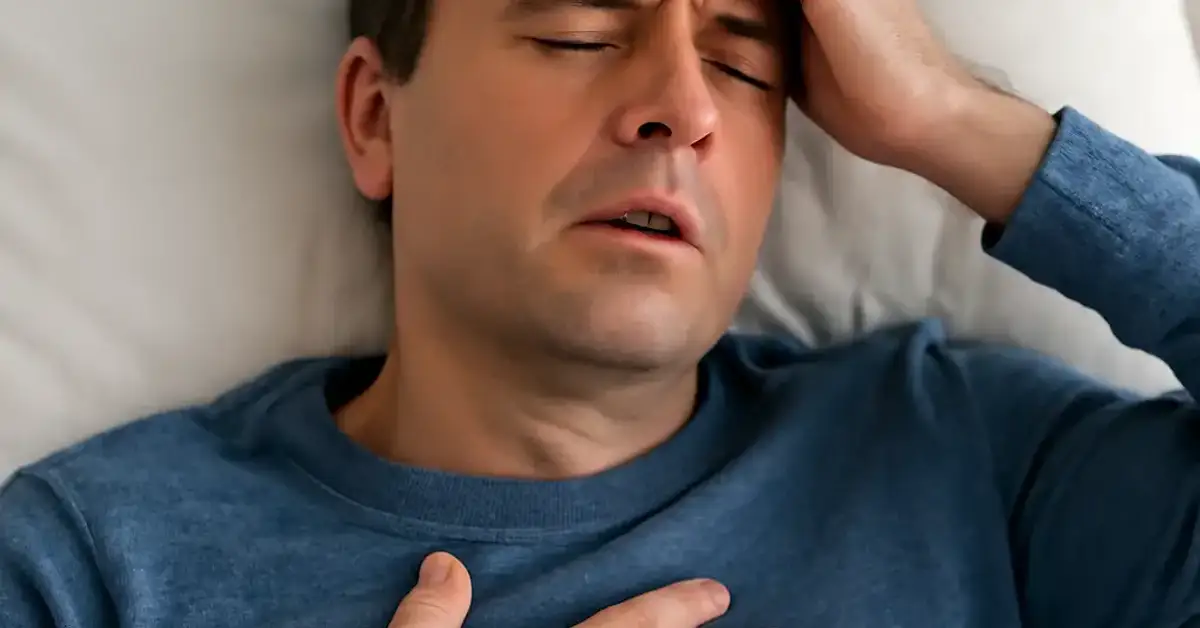
Understanding Symptoms of Sleep Related Breathing Problems
Sleep is meant to restore the body and mind, yet for many people, the night becomes a struggle to breathe. Sleep-related breathing problems are a group of disorders that disrupt normal breathing during sleep, ranging from simple snoring to full-blown obstructive sleep apnea. The symptoms of sleep related breathing problems are often subtle at first but worsen over time, affecting nearly every system in the body.
If you or a loved one experience any of the following 12 warning signs, it is worth discussing them with a healthcare provider. Early recognition of sleep apnea symptoms can dramatically improve quality of life and reduce long-term health risks.
1. Loud and Persistent Snoring
Not everyone who snores has a sleep disorder, but loud, habitual snoring is one of the most common symptoms of sleep related breathing problems. When the airway narrows during sleep, air struggles to pass through, causing the soft tissues to vibrate. Snoring that is loud enough to be heard through walls or that disrupts a partner’s sleep should not be dismissed as a mere nuisance. It often signals the presence of breathing issues at night that require medical attention. For a related guide, see 12 Signs Your Heart May Need Medical Attention.
2. Pauses in Breathing During Sleep (Apnea Episodes)
A partner may notice that the snoring suddenly stops, followed by a period of silence, and then a loud gasp or snort as breathing resumes. These breathing pauses are the hallmark of obstructive sleep apnea. The brain is forced to wake up briefly to restart breathing, fragmenting deep sleep. Documenting these episodes is critical for a proper sleep apnea diagnosis.
3. Gasping or Choking Sensations at Night
Waking up suddenly with a feeling of gasping for air or choking is terrifying and is a classic sign of sleep-disordered breathing. These episodes occur when the airway collapses completely, and the body urgently signals the brain to restore airflow. Repeated gasping throughout the night strongly suggests sleep apnea symptoms that need evaluation.
4. Excessive Daytime Sleepiness and Chronic Fatigue
Even after a full night in bed, people with sleep-related breathing problems often wake up feeling unrefreshed. The constant micro-awakenings prevent the brain from reaching restorative deep sleep. As a result, daytime sleepiness becomes a daily struggle. Falling asleep while reading, watching TV, or even driving is a red flag for a sleep disorder. Chronic fatigue is one of the most disabling symptoms of sleep related breathing problems.
5. Morning Headaches Linked to Oxygen Deprivation
Waking up with a dull, throbbing headache, especially in the front of the head, can be a direct result of oxygen deprivation during the night. When breathing stops repeatedly, blood oxygen levels drop, causing blood vessels in the brain to dilate. These morning headaches typically resolve within an hour or two but are a reliable indicator of poor sleep quality.
6. Dry Mouth and Sore Throat Upon Waking
Many people with breathing issues at night sleep with their mouths open in an attempt to move more air past a blocked nasal passage or airway. This leads to a parched mouth and a raw, sore throat in the morning. A consistently dry mouth on waking is a subtle but telling clue among the symptoms of sleep related breathing problems.
7. Difficulty Concentrating and Brain Fog
Poor sleep quality directly impairs cognitive function. Individuals with untreated sleep apnea often describe a mental fog that makes it hard to focus, remember details, or make decisions. This brain fog is rooted in repeated oxygen deprivation and disrupted sleep architecture. Recognizing this as one of the symptoms of sleep related breathing problems can lead to faster diagnosis and relief.
8. Frequent Nighttime Awakenings and Restless Sleep
Users often report tossing and turning all night, waking up multiple times without a clear reason. These awakenings are the brain’s response to breathing pauses, even if the person does not consciously remember them. Over time, this sleep disruption leads to restless sleep and a fragmented night. If you wake up more than twice per night regularly, consider whether sleep apnea symptoms could be the cause.
9. Irritability and Mood Changes
Chronic sleep deprivation wears down emotional resilience. People with sleep-related breathing problems often experience heightened irritability, anxiety, or even depression. The drop in sleep quality affects the brain’s ability to regulate emotions. If mood swings or short temper have become more common, evaluate whether symptoms of sleep related breathing problems are contributing.
10. Reduced Energy Levels and Decreased Daytime Performance
Low energy is not just about feeling sleepy — it affects productivity at work, motivation for exercise, and engagement in daily life. Fatigue from disrupted breathing reduces physical stamina and mental sharpness. Many patients report that after receiving treatment, they feel like a new person, finally able to sustain energy throughout the day.
11. High Blood Pressure Associated with Sleep-Disordered Breathing
There is a well-established link between sleep-disordered breathing and hypertension. Each apnea episode triggers a stress response that raises blood pressure repeatedly during the night. Over time, this keeps the cardiovascular system in a state of overdrive. Health risks like cardiovascular disease climb significantly when sleep apnea remains untreated. For a related guide, see 12 Sleep Disorder Risks That Trigger Heart Disease – Avoid Now.
12. Nighttime Sweating and Restlessness
Waking up drenched in sweat, even in a cool room, can occur when the body struggles to breathe. The effort to reopen the airway and the accompanying surge of stress hormones causes excessive perspiration. This restless sleep pattern is often overlooked but is a real symptom of sleep related breathing problems that warrants a conversation with a sleep specialist.
The Connection Between Sleep Disorder and Long-Term Health
Ignoring the symptoms of sleep related breathing problems does not make them go away. Over months and years, untreated sleep apnea contributes to cognitive decline, reduced libido, hormonal imbalances, and a higher risk of metabolic conditions like type 2 diabetes. The repeated drops in oxygen put strain on the heart and brain, accelerating health risks that could otherwise be prevented.
How Obesity Worsens Breathing Issues at Night
Excess weight, especially around the neck and abdomen, narrows the airway and increases the likelihood of collapse during sleep. Weight loss is often recommended as a first-line intervention for sleep-related breathing problems. However, even individuals at a healthy weight can have sleep apnea due to anatomical factors such as a small jaw or large tonsils.
When Is a Sleep Study Necessary?
A sleep study (polysomnography) records brain waves, oxygen levels, heart rate, and breathing patterns throughout the night. It is the definitive tool for sleep apnea diagnosis. If you have several of the symptoms of sleep related breathing problems listed above, especially loud snoring and witnessed breathing pauses, a sleep study can confirm or rule out the condition.
Medical Treatment Sleep Disorders: Options That Work
Once diagnosed, medical treatment sleep disorders offers effective relief. The most common therapy is CPAP therapy, which delivers a steady stream of air to keep the airway open. Many patients feel dramatically better after just a few nights of use. Other options include oral appliances that reposition the jaw, positional therapy, and in select cases, surgery. Lifestyle factors such as alcohol consumption, smoking, and sleeping on the back can worsen symptoms and should be addressed.
Why Early Screening Matters
Early symptoms of sleep related breathing problems are often brushed off as normal aging or stress. Yet catching them early can prevent the cascade of cardiovascular disease, cognitive decline, and metabolic dysfunction. If you answer yes to many of the signs above, schedule an evaluation with a sleep medicine specialist.
Useful Resources
- Learn more about the diagnostic process for sleep apnea from the Sleep Foundation’s guide to sleep apnea diagnosis.
- For a deeper look at treatment options, visit the NHLBI page on sleep apnea treatments.
Frequently Asked Questions About Symptoms of Sleep Related Breathing Problems
What are symptoms of sleep-related breathing problems?
Common symptoms of sleep related breathing problems include loud snoring, witnessed breathing pauses, gasping or choking at night, excessive daytime sleepiness, morning headaches, dry mouth on waking, difficulty concentrating, frequent night awakenings, irritability, low energy, high blood pressure, and nighttime sweating. For a related guide, see 10 Early Signs of Sleep Apnea You Shouldn’t Ignore.
How do I know if I have a sleep breathing disorder?
If you or a partner notice loud snoring, pauses in breathing during sleep, or you regularly wake up feeling unrefreshed, these are red flags. A sleep study can provide a definitive sleep apnea diagnosis and confirm whether a sleep disorder is present.
What causes breathing problems during sleep?
Common causes include obesity, anatomical narrowing of the airway (large tonsils, small jaw), nasal congestion, and muscle relaxation during sleep. Sleep-related breathing problems are often driven by obstructive sleep apnea, but central sleep apnea and hypoventilation syndromes also contribute.
Is snoring a sign of sleep apnea?
Snoring alone does not automatically mean sleep apnea, but loud, persistent snoring is one of the main sleep apnea symptoms. When snoring is accompanied by gasping, choking, or breathing pauses, it strongly indicates sleep-disordered breathing.
Why do I wake up gasping for air at night?
Waking up gasping is a classic symptom of sleep related breathing problems. It happens because the airway collapses, oxygen drops, and the brain forces a sudden awakening to restart breathing. This pattern is typical of obstructive sleep apnea.
Can sleep apnea cause daytime fatigue ?
Yes, daytime sleepiness and fatigue are among the most disabling sleep apnea symptoms. The fragmented sleep caused by repeated breathing pauses prevents the body from reaching deep, restorative sleep stages.
What are the risks of untreated sleep breathing disorders?
Untreated sleep-related breathing problems increase health risks including cardiovascular disease, high blood pressure, stroke, type 2 diabetes, cognitive decline, and mood disorders. The long-term oxygen deprivation strains the heart and brain.
When should I see a doctor for sleep issues?
If you experience multiple symptoms of sleep related breathing problems such as loud snoring, gasping, daytime sleepiness, morning headaches, or witnessed breathing pauses, you should schedule a medical evaluation. Early screening can prevent serious health risks.
How is sleep apnea diagnosed?
Diagnosis is made through a sleep study (polysomnography), which can be done at a sleep center or with a home sleep test. The test tracks breathing, oxygen levels, heart rate, and brain activity to confirm sleep apnea diagnosis.
What treatments help sleep-related breathing problems?
The most effective treatment is CPAP therapy, which keeps the airway open with pressurized air. Other medical treatment sleep disorders options include oral appliances, positional therapy, weight loss, and surgery for specific anatomical issues.
Does sleep apnea only affect overweight people?
While obesity is a major risk factor, sleep apnea can occur in people of all body types. Anatomical features such as a narrow throat, large tonsils, or a small jaw can cause breathing issues at night even in lean individuals.
Can children have sleep-related breathing problems?
Yes, children can develop sleep-disordered breathing, often due to enlarged tonsils or adenoids. Symptoms include snoring, mouth breathing, bedwetting, and daytime behavioral issues that mimic ADHD. A sleep study can diagnose the condition.
What is the link between sleep apnea and high blood pressure?
Each apnea episode triggers a temporary spike in blood pressure due to oxygen deprivation and stress hormone release. Over time, these repeated surges lead to sustained hypertension, significantly raising cardiovascular disease risk.
How long does it take to see results from CPAP therapy ?
Many patients report improved sleep quality and reduced daytime sleepiness within the first few nights of consistent CPAP therapy. Full benefits, including blood pressure improvement, may take several weeks to months.
Can lifestyle changes improve sleep breathing problems?
Yes, weight loss, avoiding alcohol before bed, sleeping on your side, and treating nasal allergies can all help reduce sleep apnea symptoms. However, for moderate to severe cases, medical treatment sleep disorders is still necessary.
Is snoring always a sign of a sleep disorder ?
Not always. Occasional snoring can be normal, especially during colds or after alcohol. But loud, habitual snoring, especially when paired with other symptoms of sleep related breathing problems, should be evaluated.
What is the difference between central and obstructive sleep apnea?
Obstructive sleep apnea is caused by a physical blockage of the airway. Central sleep apnea occurs when the brain fails to send signals to the breathing muscles. Both cause breathing pauses and require different medical treatment sleep disorders approaches.
Can sleep apnea cause memory loss?
Yes, chronic oxygen deprivation and fragmented sleep can impair memory and cognitive function. Over time, untreated sleep apnea is linked to a higher risk of cognitive decline and dementia.
What does a home sleep study involve?
A home sleep study uses a portable device that tracks your heart rate, breathing patterns, and oxygen levels while you sleep in your own bed. It is less comprehensive than an in-lab test but can effectively diagnose moderate to severe sleep apnea.
How common is sleep apnea?
Sleep apnea is very common, affecting an estimated 936 million adults worldwide, with many cases undiagnosed. Recognizing the symptoms of sleep related breathing problems early can help reduce the global burden of this sleep disorder.