
heart healthy recipes for beginners Key Takeaways
Starting a heart-healthy diet doesn’t require complicated techniques or hard-to-find ingredients.
- Simple ingredient swaps and cooking methods can dramatically reduce sodium and unhealthy fats while keeping meals satisfying.
- Each recipe in this guide comes with clear steps, nutritional notes, and practical tips to build confidence in the kitchen.
- Consistency matters more than perfection — even one or two heart-healthy meals per week can make a meaningful difference.
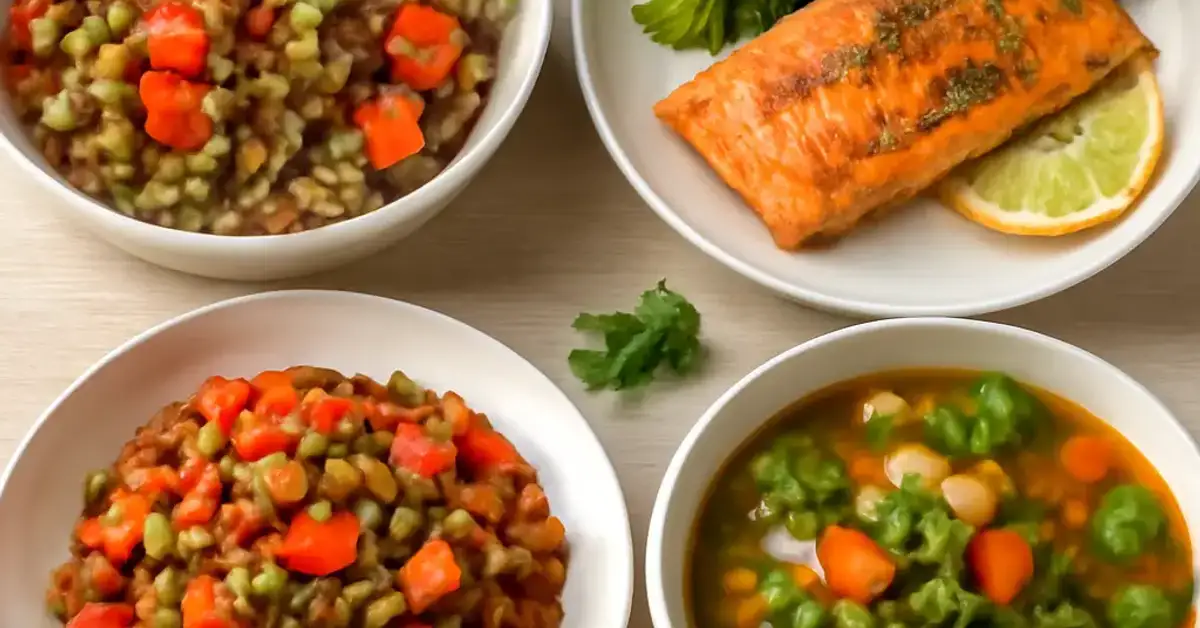
Why Heart-Healthy Recipes for Beginners Matter
Adopting a heart-conscious diet is one of the most effective steps you can take to reduce your risk of heart disease, manage blood pressure, and improve overall energy. For beginners, the challenge is often not a lack of motivation, but a lack of simple, actionable recipes that fit into a busy schedule. The recipes below are designed to be straightforward, budget-friendly, and packed with nutrients that support heart health — including omega-3 fatty acids, fiber, potassium, and antioxidants. You don’t need to be a chef to make them work. For a related guide, see Heart-healthy Foods Rich In Omega-3 Fatty Acids: 7 Essential Omega-3 Foods for a Heart-Healthy Diet.
7 Simple and Delicious Heart-Healthy Recipes for Beginners
Each recipe includes a brief overview, key ingredients, step-by-step instructions, and a tip to make it even easier. Focus on using fresh or frozen vegetables, lean proteins like chicken breast or fish, and whole grains such as brown rice or quinoa.
1. Overnight Oats with Berries and Flaxseed
This no-cook breakfast is perfect for busy mornings and delivers soluble fiber, which helps lower LDL cholesterol. Combine rolled oats, unsweetened almond milk, a tablespoon of ground flaxseed, and a handful of fresh or frozen berries. Refrigerate overnight and top with a few walnut pieces before serving. Tip: Prepare several jars at once for grab-and-go options throughout the week.
2. Grilled Salmon with Lemon and Dill
Salmon is rich in omega-3 fatty acids, which reduce inflammation and support heart rhythm. Season a 6-ounce fillet with lemon juice, fresh dill, and a pinch of black pepper. Grill over medium heat for 4–5 minutes per side until flaky. Serve with steamed broccoli and a side of quinoa. Tip: If you don’t have a grill, bake at 375°F for 12–15 minutes instead.
3. Black Bean and Avocado Salad
This fiber-packed salad requires no cooking and comes together in under 10 minutes. Mix one can of rinsed black beans with diced avocado, cherry tomatoes, red onion, and a squeeze of lime juice. Add a handful of fresh cilantro. Serve as a main dish or a side alongside grilled chicken. Tip: For extra crunch, toss in some chopped bell pepper.
4. Turkey and Vegetable Stir-Fry
Lean ground turkey is a great alternative to red meat. Brown 8 ounces of turkey in a non-stick pan, then add sliced bell peppers, snap peas, and carrots. Season with low-sodium soy sauce, ginger, and garlic. Serve over brown rice or cauliflower rice. Tip: Prep all vegetables before you start cooking to keep the process smooth.
5. Lentil and Vegetable Soup
Lentils are a powerhouse of fiber and plant-based protein. Sauté onion, celery, and carrots in olive oil, then add 1 cup of dried lentils, 4 cups of low-sodium vegetable broth, and a can of diced tomatoes. Simmer for 25–30 minutes until lentils are tender. Season with thyme and bay leaf. Tip: Make a large batch and freeze individual portions for quick lunches.
6. Baked Chicken Breast with Roasted Vegetables
Simple, reliable, and versatile. Season a 6-ounce boneless, skinless chicken breast with rosemary, garlic powder, and a drizzle of olive oil. Arrange on a baking sheet with chopped zucchini, bell peppers, and red onion. Roast at 400°F for 20–25 minutes. Tip: Use a meat thermometer to ensure the chicken reaches 165°F without overcooking.
7. Greek Yogurt Parfait with Nuts and Honey
A heart-healthy dessert or snack that provides probiotics, protein, and healthy fats. Layer plain Greek yogurt with sliced almonds, a handful of walnuts, and a teaspoon of honey. Top with fresh raspberries or sliced strawberries. Tip: Choose plain yogurt to avoid added sugars — you control the sweetness.
Essential Tips for Cooking Heart-Healthy Recipes for Beginners
Building confidence in the kitchen starts with a few foundational habits. First, read the full recipe before you begin — this prevents surprises and helps you manage your time. Second, invest in a good set of measuring spoons and a non-stick skillet; these tools make portion control and low-oil cooking much easier. Third, taste as you go, but rely on herbs, spices, citrus, and vinegar for flavor rather than salt. Finally, don’t be afraid to substitute ingredients based on what you have on hand — heart-healthy cooking is flexible.
Common Mistakes Beginners Make
One typical misstep is using too much oil, thinking it’s necessary for flavor. A single tablespoon of olive oil is often enough to roast vegetables for four servings. Another is relying on pre-packaged seasoning blends, which are often high in sodium. Instead, make your own spice mixes using garlic powder, onion powder, paprika, and dried herbs. Also, avoid skipping the fiber — whole grains and legumes help you feel full longer and stabilize blood sugar.
How to Build a Heart-Healthy Pantry
A well-stocked pantry makes it easy to prepare heart-healthy recipes for beginners on short notice. Keep these staples on hand: rolled oats, brown rice, quinoa, lentils, canned beans (no salt added), low-sodium broths, olive oil, canned tuna or salmon, frozen vegetables, and a variety of herbs and spices. With these ingredients, you can assemble dozens of balanced meals without a trip to the store.
Frequently Asked Questions About Heart-Healthy Recipes for Beginners
Useful Resources
For more guidance on heart-healthy eating, explore these trusted sources:
- American Heart Association: Diet and Lifestyle Recommendations — Expert guidelines for reducing heart disease risk through nutrition.
- NHLBI: Heart-Healthy Eating Plan — Evidence-based tips and sample menus from the National Heart, Lung, and Blood Institute.
Embracing heart-healthy recipes for beginners is about progress, not perfection. Start with one or two recipes from this list, experiment with flavors you enjoy, and build from there. Your heart — and your taste buds — will thank you.
Frequently Asked Questions About heart healthy recipes for beginners
What is the easiest heart-healthy meal for a beginner to cook?
Overnight oats with berries and flaxseed is one of the easiest. It requires no cooking, takes less than 5 minutes to prepare, and provides fiber and healthy fats to support heart health. For a related guide, see 10 Powerful Superfoods for Heart Health Naturally.
Can I use frozen vegetables in heart-healthy recipes ?
Absolutely. Frozen vegetables are just as nutritious as fresh and often more convenient. They are flash-frozen at peak ripeness, preserving vitamins and minerals. Use them in stir-fries, soups, and roasted dishes.
How much salt is acceptable in heart-healthy cooking?
For most people, limiting sodium to under 2,300 mg per day is recommended. In cooking, rely on herbs, spices, citrus, and no-salt seasoning blends. If you use canned goods, choose “no salt added” or rinse them before use.
What is the best oil for heart-healthy cooking?
Extra-virgin olive oil is a top choice due to its high monounsaturated fat content and antioxidant properties. Avocado oil is also excellent for high-heat cooking. Use them in moderation — one to two tablespoons per meal.
Do I need to count calories for heart health?
Not necessarily. Focus on food quality rather than strict calorie counting. Eating whole, unprocessed foods generally leads to appropriate calorie intake. If you have specific weight-loss goals, consult a dietitian.
Can heart-healthy recipes taste good?
Yes. With proper seasoning — garlic, herbs, citrus, and a touch of healthy fat — heart-healthy meals can be delicious and satisfying. The key is to reduce sodium and unhealthy fats without eliminating flavor.
What is a heart-healthy substitute for white rice?
Brown rice, quinoa, farro, and cauliflower rice are excellent substitutes. They provide more fiber and nutrients than white rice, which helps stabilize blood sugar and support cardiovascular health.
How often should I eat fish for heart health?
The American Heart Association recommends eating fatty fish like salmon, mackerel, or sardines at least twice per week to obtain beneficial omega-3 fatty acids.
Is chicken breast always heart-healthy?
Boneless, skinless chicken breast is a lean protein source. However, how you prepare it matters — avoid frying or using heavy cream sauces. Baking, grilling, or sautéing with minimal oil keeps it heart-healthy.
Can I eat eggs on a heart-healthy diet?
Yes, in moderation. Current research suggests that one whole egg per day is safe for most people. Eggs are a good source of protein and nutrients. If you have high cholesterol, consider limiting yolks or using egg whites more often.
What are the best snacks for heart health?
Nuts (especially almonds and walnuts), fresh fruit, raw vegetables with hummus, and Greek yogurt are excellent heart-healthy snacks. These provide fiber, healthy fats, and protein without added sugars or unhealthy fats.
Do I need to avoid all red meat?
Not completely, but limit red meat to a few times per month. When you do eat it, choose lean cuts like sirloin or tenderloin and keep portions small (3–4 ounces). Focus more on poultry, fish, and plant-based proteins.
What is the role of fiber in heart health?
Soluble fiber binds to cholesterol in the digestive tract and helps remove it from the body, lowering LDL cholesterol. Oats, beans, lentils, apples, and flaxseed are excellent sources of soluble fiber.
Can heart-healthy recipes be budget-friendly?
Yes. Beans, lentils, oats, frozen vegetables, and seasonal produce are affordable. Buying in bulk and cooking from scratch reduces costs significantly compared to processed convenience foods.
How do I make heart-healthy meals more filling?
Include a source of protein, fiber, and healthy fat in every meal. For example, add beans to salads, nuts to oatmeal, or avocado to sandwiches. These nutrients promote satiety and steady energy.
What is the best cooking method for heart health?
Baking, grilling, steaming, sautéing with minimal oil, and slow-cooking are all excellent methods. Avoid deep-frying and pan-frying with large amounts of oil or butter.
Is dark chocolate heart-healthy?
In moderation, dark chocolate with at least 70% cocoa can be part of a heart-healthy diet. It contains flavonoids that may support blood vessel function. Stick to one or two small squares per serving.
How do I reduce sodium without sacrificing flavor?
Use fresh herbs like basil, cilantro, and parsley; spices such as cumin, paprika, and turmeric; and acidic ingredients like lemon juice or vinegar to enhance flavor. Garlic and onion also add depth without salt.
Can I drink coffee on a heart-healthy diet?
Yes, moderate coffee consumption (1–2 cups per day) is associated with neutral or positive cardiovascular effects for most people. Avoid adding heavy cream and sugar.
How long does it take to see results from a heart-healthy diet?
Some benefits, like improved blood pressure and cholesterol levels, can be seen within weeks. Long-term changes in heart disease risk take months to years, but every heart-healthy meal is a step in the right direction. For a related guide, see 7 Heart-Healthy Eating Habits That Proven Reduce Disease Risk.