
types of depression disorders Key Takeaways
Depression affects more than 280 million people worldwide, according to the World Health Organization.
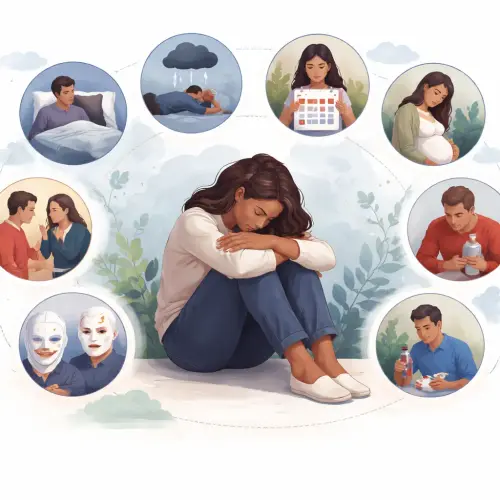
Why Recognizing Different Types of Depression Disorders Matters
Depression affects more than 280 million people worldwide, according to the World Health Organization. Yet many people still think of it as simply “feeling sad” or “being in a bad mood.” In reality, the types of depression disorders vary widely in their causes, duration, and symptoms. A person with Bipolar Depression, for example, experiences drastic mood swings that are entirely different from the persistent low mood of Dysthymia. Understanding these differences helps patients and families seek the right kind of help and avoid misdiagnosis. For a related guide, see Anxiety vs Depression: Key Differences and Overlap Explained.
The 8 Different Types of Depression You Should Know
Below is a clinically informed breakdown of the eight most common 8 different types of depression recognized in the DSM-5 and by mental health practitioners. Each description includes typical symptoms and a brief note on treatment options.
1. Major Depressive Disorder (MDD)
Major Depressive Disorder is the most widely known form of depression. It involves a persistent feeling of sadness or loss of interest in activities once enjoyed. To meet the clinical criteria, symptoms must last at least two weeks and represent a change from previous functioning.
Key symptoms: Depressed mood most of the day, diminished interest in activities, significant weight loss or gain, insomnia or hypersomnia, fatigue, feelings of worthlessness, difficulty concentrating, and recurrent thoughts of death.
2. Persistent Depressive Disorder (Dysthymia)
This type of depression disorder is characterized by a chronic, low-grade depression lasting for at least two years in adults. People with Dysthymia often function day-to-day but feel persistently unhappy or “down in the dumps.”
Key symptoms: Poor appetite or overeating, low energy, low self-esteem, poor concentration, and hopelessness. The symptoms are less severe than MDD but more enduring.
3. Bipolar Disorder (formerly Manic Depression)
Bipolar Disorder involves alternating episodes of depression and mania (or hypomania). During depressive phases, the person experiences classic depression symptoms. During manic phases, they may feel euphoric, irritable, or overly energetic and engage in risky behavior.
Key symptoms: Depressive episodes lasting at least two weeks, manic episodes lasting at least seven days (or less if hospitalization is required), inflated self-esteem, decreased need for sleep, pressured speech, and distractibility.
4. Seasonal Affective Disorder (SAD)
SAD is a seasonal pattern of depression that typically occurs during the fall and winter months when daylight hours are shorter. It is thought to be linked to reduced exposure to sunlight, which can disrupt your body’s internal clock and serotonin levels.
Key symptoms: Oversleeping, carbohydrate cravings, weight gain, fatigue, and social withdrawal during the darker months. Symptoms usually lift in spring and summer.
5. Postpartum Depression (PPD)
Postpartum Depression is a serious depressive disorder that can occur after childbirth. It goes beyond the “baby blues” and can interfere with a mother’s ability to care for herself and her newborn.
Key symptoms: Severe mood swings, excessive crying, difficulty bonding with the baby, withdrawal from family, intense irritability, fear of not being a good mother, and thoughts of harming oneself or the baby.
6. Premenstrual Dysphoric Disorder (PMDD)
PMDD is a severe form of premenstrual syndrome (PMS) that includes emotional and behavioral symptoms. It occurs in the luteal phase of the menstrual cycle and significantly disrupts daily life.
Key symptoms: Marked irritability, anger, depressed mood, anxiety, tension, decreased interest in usual activities, and physical symptoms like breast tenderness or bloating. Symptoms disappear shortly after menstruation begins.
7. Atypical Depression
Atypical Depression is a subtype of MDD characterized by specific features that differ from typical depression. People with this type of depression disorder often experience mood reactivity—their mood can temporarily brighten in response to positive events.
Key symptoms: Increased appetite leading to weight gain, excessive sleep (hypersomnia), heavy feeling in the arms or legs (leaden paralysis), and a long-standing pattern of rejection sensitivity that causes significant functional impairment.
8. Situational Depression (Adjustment Disorder with Depressed Mood)
This form of depression arises in direct response to a specific stressful event, such as a divorce, job loss, death of a loved one, or serious illness. It is usually temporary and resolves once the person adapts to the new circumstances.
Key symptoms: Sadness, tearfulness, hopelessness, anxiety, and difficulty functioning that begin within three months of the stressor. Symptoms do not persist for more than six months after the stressor ends.
Comparison of Common Types of Depression Disorders
| Type | Duration | Key Feature | Typical Treatment |
|---|---|---|---|
| Major Depressive Disorder | At least 2 weeks | Severe, persistent low mood | Antidepressants + therapy |
| Persistent Depressive Disorder | At least 2 years | Chronic, low-grade sadness | Therapy + lifestyle changes |
| Bipolar Disorder | Varies (episodes) | Mood swings between depression and mania | Mood stabilizers + therapy |
| Seasonal Affective Disorder | Seasonal pattern | Depression in fall/winter | Light therapy + CBT |
| Postpartum Depression | Within 4 weeks of childbirth | Post-birth onset | Antidepressants + support groups |
| Premenstrual Dysphoric Disorder | Luteal phase of cycle | Linked to menstrual cycle | SSRIs + hormonal treatment |
| Atypical Depression | Varies (within MDD) | Mood reactivity + hypersomnia | MAOIs or SSRIs |
| Situational Depression | Temporary (under 6 months) | Triggered by life stressor | Counseling + stress management |
How Are These Types of Depression Disorders Diagnosed?
Diagnosing depression requires a comprehensive evaluation by a licensed mental health professional. The process typically includes a clinical interview, symptom questionnaires, and sometimes a physical exam to rule out medical causes like thyroid disorders. The DSM-5 provides specific criteria for each type of depression disorder, ensuring that treatment is tailored to the individual’s condition. For a related guide, see Phobias: Types, Triggers and Effective Treatment Options.
Summary: Know the Signs, Seek Help
Depression is treatable, but the first step is identifying which types of depression disorders may be at play. The eight listed here—Major Depressive Disorder, Persistent Depressive Disorder, Bipolar Disorder, Seasonal Affective Disorder, Postpartum Depression, PMDD, Atypical Depression, and Situational Depression—each require a unique approach to care. If you or someone you know is experiencing symptoms of depression, encourage them to speak with a healthcare provider. Early intervention can dramatically improve outcomes and quality of life.
Disclaimer: This article is for informational purposes only and does not constitute medical advice. Always consult a qualified physician or mental health professional for diagnosis and treatment of depression.
Useful Resources
- National Institute of Mental Health – Depression – Authoritative information on depression types, symptoms, and research.
- American Psychiatric Association – Depression – Patient resources and expert guidance on diagnosis and treatment.
Frequently Asked Questions About types of depression disorders
What is the most common type of depression disorder?
Major Depressive Disorder is the most commonly diagnosed form of depression, affecting over 7% of U.S. adults in a given year.
Can you have more than one type of depression at the same time?
Yes, it is possible to have comorbid depressive conditions, such as Major Depressive Disorder with Atypical features, or depression alongside an anxiety disorder.
Is bipolar depression the same as Major Depressive Disorder?
No. Bipolar depression is part of Bipolar Disorder and includes manic or hypomanic episodes. The treatment differs significantly from unipolar depression.
What is the difference between situational depression and clinical depression?
Situational depression is a temporary reaction to a specific stressor, while clinical depression (MDD) is a more persistent condition that may not have an obvious trigger.
How long does Persistent Depressive Disorder last?
By definition, symptoms of Persistent Depressive Disorder must last for at least two years in adults and one year in children and adolescents.
Can Seasonal Affective Disorder occur in summer?
Yes, SAD can also have a summer pattern, characterized by insomnia, poor appetite, and agitation, though winter-pattern SAD is more common.
Is postpartum depression only for new mothers?
While primarily affecting mothers, postpartum depression can also affect fathers and partners, with symptoms appearing in the weeks following childbirth.
What treatments work best for PMDD?
Selective serotonin reuptake inhibitors (SSRIs) are often the first-line treatment. Hormonal therapies and cognitive behavioral therapy are also effective.
Can children be diagnosed with types of depression disorders ?
Yes. Children can experience MDD, Persistent Depressive Disorder, and other forms of depression. Symptoms may include irritability rather than sadness.
Is atypical depression considered less serious than typical depression?
No. Atypical depression is just as serious as typical depression and can cause significant functional impairment.
What is the role of genetics in depression disorders?
Genetics play a significant role. Having a first-degree relative with depression increases your risk by two to three times.
Can depression cause physical pain?
Yes. Depression often manifests with physical symptoms such as headaches, back pain, joint pain, and digestive issues.
How is treatment-resistant depression defined?
Treatment-resistant depression is diagnosed when a person has not responded to at least two different antidepressants for an adequate duration.
Can lifestyle changes cure depression?
Lifestyle changes like exercise and diet can help manage symptoms, but they are not a substitute for professional medical treatment, especially in moderate to severe cases.
Is there a difference between depression and sadness?
Sadness is a normal emotional response to loss or disappointment. Depression is a medical condition that persists and impairs daily function.
What should I do if I think I have a type of depression disorder?
Reach out to a mental health professional or your primary care doctor. They can evaluate your symptoms and recommend appropriate treatment.
Can depression go away on its own?
While some mild depressive episodes may resolve without treatment, most forms of depression require intervention to achieve remission.
What is electroconvulsive therapy (ECT) and who uses it?
ECT is a procedure where mild electrical currents are passed through the brain to treat severe, treatment-resistant depression. It is safe and effective.
How long does it take for antidepressants to work?
Most antidepressants take 4 to 6 weeks to reach full effect, though some improvement may be seen earlier.
Are there support groups for people with different types of depression disorders ?
Yes. Organizations like the Depression and Bipolar Support Alliance (DBSA) offer both online and in-person support groups for individuals and families.