best foods for gut health and digestion Key Takeaways
Your gut is home to trillions of bacteria that influence everything from digestion to mood and immunity.
- best foods for gut health and digestion include fermented picks like kimchi and yogurt, plus fiber-packed staples like oats and berries.
- Variety matters more than you think: different plant foods feed different gut bacteria, so rotating your choices is key.
- Simple swaps — trading sugary snacks for a kiwi or adding a spoonful of sauerkraut to your plate — can make a real difference fast.
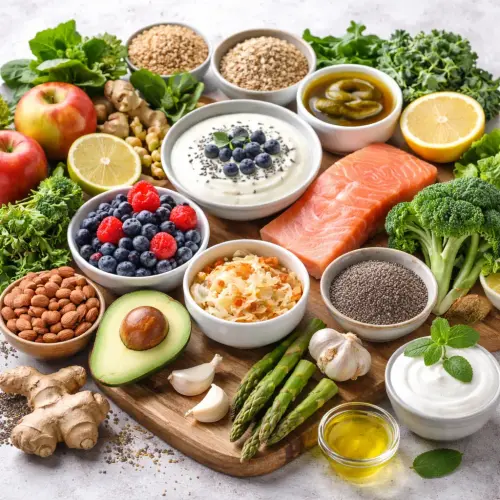
How to Choose the Best Foods for Gut Health and Digestion
Not all healthy foods are created equal when it comes to your gut. Some boost beneficial bacteria directly, while others provide the fuel those microbes need to thrive. Here are three quick criteria to keep in mind when building your best foods for gut health and digestion grocery list. For a related guide, see Immune System: Daily Habits to Boost Health.
1. Prioritize Prebiotic Fiber
Prebiotic fibers are indigestible plant compounds that feed your good gut bacteria. Foods like onions, garlic, bananas, and oats are packed with prebiotics. Try to include at least one prebiotic-rich food in each meal.
2. Don’t Forget Fermented Foods
Fermented foods contain live probiotics — beneficial bacteria that colonize your gut. Yogurt with live cultures, kefir, kombucha, and sauerkraut are top choices. Start with small servings if you are new to them, as they can cause temporary gas.
3. Look for Polyphenols
Polyphenols are plant compounds that act as antioxidants and also serve as fuel for gut bacteria. Berries, dark chocolate, green tea, and red wine (in moderation) are excellent sources. They help reduce inflammation and support a diverse microbiome.
21 Best Foods for Gut Health and Digestion — A Complete List
Here is the definitive list of best foods for gut health and digestion. Each entry includes a quick explanation of why it works and how to enjoy it.
1. Yogurt (with live cultures)
Yogurt is one of the most accessible sources of probiotics. Look for plain, unsweetened yogurt with “live active cultures” on the label. It helps restore gut flora after antibiotic use and improves lactose digestion.
2. Kimchi
This spicy Korean staple is made from fermented cabbage and radishes. It is loaded with Lactobacillus bacteria, which supports regularity and immune function. Add a spoonful to rice bowls, sandwiches, or salads.
3. Sauerkraut
Another fermented cabbage, sauerkraut is rich in probiotics and digestive enzymes. Choose unpasteurized versions (refrigerated section) to ensure live bacteria survive. Use it as a tangy topping for hot dogs or in grain bowls.
4. Kefir
Kefir is a fermented milk drink packed with diverse probiotic strains. It is thinner than yogurt and often tolerated by people who are lactose-sensitive. Drink it alone or blend into smoothies for a creamy boost.
5. Kombucha
This fizzy fermented tea contains acetic acid and probiotics that support gut lining health. It is a great alternative to soda when you crave something sweet and bubbly. Watch out for added sugar — stick to brands with less than 6 grams per serving.
6. Oats
Oats are rich in beta-glucan, a prebiotic fiber that feeds good gut bacteria and helps regulate blood sugar. Start your day with a bowl of oatmeal topped with berries and a dollop of yogurt.
7. Bananas
Bananas, especially slightly green ones, are a prebiotic powerhouse. They contain resistant starch that travels to the colon where gut bacteria ferment it. Eat them as a snack or slice into oatmeal.
8. Garlic
Garlic is a natural prebiotic and antimicrobial. It helps balance the gut microbiome while also fighting off harmful bacteria. Crush it and let it sit for a few minutes before cooking to activate its beneficial compounds.
9. Onions
Like garlic, onions are rich in inulin — a prebiotic fiber that promotes the growth of beneficial Bifidobacteria. They add flavor to nearly any savory dish, so try tossing them into soups, stews, and stir-fries.
10. Berries
Blueberries, raspberries, and strawberries are high in fiber and antioxidants called anthocyanins. These compounds support gut barrier integrity and reduce inflammation. A handful a day makes a big difference.
11. Almonds
Almonds are a great source of fiber and vitamin E, but they also act as a prebiotic by increasing levels of beneficial gut bacteria. A small handful (about 1 ounce) is the perfect portion.
12. Lentils
Lentils are packed with both soluble and insoluble fiber, which helps keep things moving and feeds your microbiome. They are also a plant-based protein that supports overall gut health. Try lentil soup or a warm lentil salad.
13. Chickpeas
Chickpeas (garbanzo beans) are loaded with resistant starch and fiber. Hummus is an easy way to enjoy them — pair it with raw vegetables for a gut-friendly snack.
14. Artichokes
Artichokes are one of the richest sources of prebiotic fiber, especially inulin. They also contain cynarin, a compound that supports liver function and digestion. Steam them and serve with a light vinaigrette.
15. Ginger
Ginger has anti-inflammatory and anti-nausea properties that soothe the digestive tract. It also stimulates digestive enzymes and helps reduce bloating. Grate it into tea, stir-fries, or smoothies.
16. Bone Broth
Bone broth is rich in collagen and gelatin, which support the integrity of the gut lining. It can be especially helpful for people with leaky gut syndrome. Sip it warm as a comforting beverage or use it as a base for soups.
17. Dark Chocolate
Dark chocolate (70 percent cocoa or higher) is loaded with polyphenols that feed beneficial gut bacteria. A small square after dinner can satisfy a sweet tooth while supporting your microbiome.
18. Olive Oil
Extra-virgin olive oil is rich in polyphenols and healthy monounsaturated fats. Studies show it promotes the growth of beneficial bacteria and reduces inflammation in the gut. Drizzle it over salads or roasted vegetables.
19. Fatty Fish
Salmon, mackerel, and sardines are rich in omega-3 fatty acids, which reduce gut inflammation and support a healthy microbiome diversity. Aim for two servings per week. Canned sardines are an easy, budget-friendly option.
20. Miso
Miso is a fermented soybean paste that introduces beneficial probiotics into your system. It is typically used in Japanese miso soup, but you can also stir a spoonful into salad dressings or marinades (do not boil it, or you will kill the live cultures).
21. Apples
Apples contain pectin, a prebiotic fiber that helps promote regular bowel movements and feeds good gut bacteria. Eat them with the skin on for maximum fiber. A medium apple a day is a solid choice for digestive health.
Simple Tips to Improve Gut Health Naturally with These Foods
Adding these best foods for gut health and digestion to your routine does not have to be complicated. Start with one or two swaps per week. For example, replace your afternoon sugary snack with a handful of almonds or a banana. Or add a side of sauerkraut to your lunch sandwich.
- Rotate your prebiotics: Different gut bacteria feed on different fibers. Eating a variety of fruits, vegetables, legumes, and whole grains ensures a diverse microbiome.
- Go slow with fermented foods: Start with one tablespoon of kimchi or sauerkraut per day and gradually increase to avoid gas and discomfort.
- Hydrate well: Fiber pulls water into the colon, so drinking enough water is essential for regularity and to prevent constipation.
- Limit ultra-processed foods: Artificial sweeteners, emulsifiers, and excessive sugar can harm gut bacteria and reduce diversity.
Useful Resources
For deeper reading on the science behind gut health, check out these credible sources:
- Harvard Health: Gut Health and the Microbiome
- National Institutes of Health: Prebiotics and Gut Health
Frequently Asked Questions About best foods for gut health and digestion
What are the best foods for gut health and digestion?
The best foods for gut health and digestion include fermented foods like yogurt, kimchi, sauerkraut, and kefir, plus prebiotic-rich options such as oats, bananas, garlic, onions, and artichokes. Polyphenol-rich foods like berries, dark chocolate, and green tea also support a healthy microbiome. For a related guide, see 15 Warning Signs Your Gut Microbiome May Be Out of Balance – Avoid These Risks.
How do fermented foods help the gut?
Fermented foods contain live beneficial bacteria (probiotics) that help restore and maintain a balanced gut microbiome. They can improve digestion, boost immunity, and reduce inflammation when consumed regularly.
What is the difference between prebiotics and probiotics?
Probiotics are live beneficial bacteria found in fermented foods. Prebiotics are non-digestible fibers that feed those bacteria. Both are essential for optimal gut health. Prebiotic foods include garlic, onions, bananas, and oats.
Can I improve gut health naturally without supplements?
Yes, absolutely. By eating a variety of whole, fiber-rich plant foods and including fermented options, you can support your gut microbiome naturally. Supplements can be helpful but are not necessary for most people.
How long does it take to improve gut health ?
Some positive changes can happen within days of eating more fiber and probiotics, but significant microbiome shifts typically take 2 to 4 weeks of consistent dietary changes. Patience and variety are key.
Are there any side effects when starting a gut-healthy diet?
When increasing fiber or fermented foods, some people experience temporary bloating, gas, or changes in bowel movements. Start slowly and drink plenty of water to minimize discomfort.
Can I eat too much fiber for gut health ?
Yes, eating very high amounts of fiber (over 70 grams per day) can cause bloating, cramping, and even nutrient malabsorption. The recommended daily intake is 25–38 grams for adults, depending on age and sex.
Is yogurt good for gut health ?
Yes, yogurt with live active cultures provides probiotics that support digestion and immune function. Choose plain, unsweetened yogurt to avoid added sugars that can harm gut bacteria.
What foods should I avoid for better gut health ?
Limit ultra-processed foods, artificial sweeteners, fried foods, and excessive alcohol. These can disrupt the gut microbiome, increase inflammation, and contribute to bloating and discomfort.
Do apples help with digestion?
Yes, apples are rich in pectin, a type of prebiotic fiber that supports regular bowel movements and feeds beneficial gut bacteria. Eating the skin adds extra fiber and nutrients.
Is kefir better than yogurt for gut health ?
Kefir typically contains a wider variety of probiotic strains than yogurt, making it a more potent option for gut health. However, both are excellent choices. Some people with lactose intolerance tolerate kefir better.
How much fermented food should I eat per day?
Start with one serving (about 1/2 cup of yogurt or kefir, or 1–2 tablespoons of sauerkraut/kimchi) per day and gradually increase to 2–3 servings if tolerated. Listen to your body.
Can drinking more water improve digestion?
Absolutely. Water helps dissolve soluble fiber, softens stool, and keeps the digestive system moving. Aim for 8–10 cups of water daily, more if you eat high-fiber foods.
Are bananas good for gut health ?
Yes, bananas — especially slightly green ones — contain resistant starch that acts as a prebiotic, feeding beneficial gut bacteria. Ripe bananas are also gentle on the stomach and easy to digest.
What is the role of fiber in gut health ?
Fiber provides bulk for stool, helps regulate bowel movements, and serves as food for beneficial gut bacteria. There are two types: soluble (oats, apples) and insoluble (leafy greens, nuts). Both are important.
Can dark chocolate improve gut health ?
Yes, dark chocolate with at least 70 percent cocoa contains polyphenols that promote the growth of beneficial gut bacteria. It also has anti-inflammatory effects. Limit to one or two small squares per day.
Is bone broth good for digestion?
Bone broth is rich in collagen and gelatin, which may help repair the gut lining and support digestive health. It is often recommended for people with leaky gut syndrome or inflammatory bowel issues.
What are the worst foods for gut health ?
The worst foods include sugary drinks, artificial sweeteners (like aspartame and sucralose), processed meats, deep-fried foods, and excessive alcohol. These can damage the gut lining and reduce microbial diversity.
Can probiotics survive stomach acid?
Some probiotic strains are more resistant to stomach acid than others. Many commercial probiotic foods and supplements use strains that have been tested for survival. Eating probiotics with food can also help protect them during digestion.
Do I need to take a probiotic supplement if I eat fermented foods?
Not necessarily. Regular consumption of fermented foods like yogurt, kefir, kimchi, and sauerkraut provides a steady supply of probiotics. A supplement may be helpful for specific health issues, but it is not required for general gut health.