
leaky gut syndrome facts Key Takeaways
Leaky gut syndrome , also known as increased intestinal permeability, is a condition where the lining of the small intestine becomes damaged, allowing undigested food particles, toxins, and bacteria to "leak" into the bloodstream.
- Scientific research confirms that a disrupted intestinal barrier plays a role in many chronic health conditions, from autoimmune diseases to metabolic disorders.
- Diet, stress, medications, and gut microbiome imbalances are key factors that influence intestinal permeability.
- Targeted nutritional interventions, including specific supplements and dietary patterns, show promise in restoring gut barrier function.
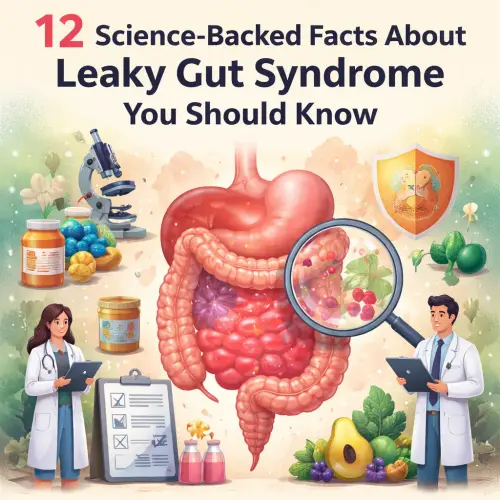
How Science Defines Leaky Gut Syndrome Facts
When people talk about “leaky gut,” they are referring to a measurable biological state: increased intestinal permeability. This is not a fad diagnosis — it has been studied for decades in gastroenterology and immunology research. The intestinal barrier is a sophisticated gatekeeper. It allows nutrients to pass while blocking pathogens and toxins. When the tight junctions between intestinal cells loosen, the barrier fails. This is the core of what researchers call intestinal hyperpermeability, often linked to systemic inflammation.
12 Leaky Gut Science Backed Facts You Need to Know
1. The Intestinal Barrier Is a Single Layer of Cells
Your gut lining is just one cell thick. These enterocytes are held together by tight junction proteins like occludin and claudin. When these junctions loosen, permeability increases. A 2015 study in Scandinavian Journal of Gastroenterology confirmed that disruption of tight junctions is a central mechanism in leaky gut causes.
2. Zonulin Is the Master Regulator of Gut Permeability
Zonulin is a protein that modulates tight junction openings. Elevated zonulin levels have been found in people with celiac disease, type 1 diabetes, and multiple sclerosis. Research published in Physiological Reviews (2011) identified zonulin as a key biomarker for intestinal permeability.
3. Gluten Is a Potent Trigger for Many People
Gluten stimulates zonulin release in susceptible individuals. This does not mean everyone must avoid gluten, but for those with gluten sensitivity or celiac disease, avoiding gluten is essential for gut barrier repair. A 2020 review in Nutrients outlined how gluten-derived peptides can directly affect tight junction integrity.
4. Dysbiosis Weakens the Gut Barrier
An imbalance in gut bacteria — too few beneficial species and too many pathogenic ones — promotes inflammation that damages tight junctions. Leaky gut research from the World Journal of Gastroenterology (2017) showed that restoring a healthy microbiome with prebiotics and probiotics can reduce permeability. For a related guide, see 8 Ways Sugar Wrecks Your Gut Bacteria (Avoid These).
5. Chronic Stress Increases Gut Permeability
Psychological stress activates the hypothalamic-pituitary-adrenal axis, releasing cortisol and norepinephrine. These hormones directly impair tight junction function. A landmark animal study from 2012 in Gut demonstrated that stress alone could induce leaky gut in rats, and human studies have since confirmed similar effects.
6. Non-Steroidal Anti-Inflammatory Drugs (NSAIDs) Are Well-Known Culprits
Aspirin, ibuprofen, and other NSAIDs damage the intestinal lining quickly. Even short-term use increases intestinal permeability within 24 hours. Research in Alimentary Pharmacology and Therapeutics (2015) showed that NSAID-induced enteropathy is a common cause of occult GI bleeding and gut barrier dysfunction.
7. Alcohol Disrupts Tight Junctions Directly
Ethanol and its metabolite acetaldehyde break down tight junction proteins. A 2014 study in Alcohol Research: Current Reviews found that even moderate alcohol consumption can increase gut permeability, allowing bacterial endotoxins to enter the bloodstream and trigger liver inflammation.
8. Lipopolysaccharide (LPS) May Drive Systemic Inflammation
LPS is a component of Gram-negative bacterial cell walls. When the gut barrier is leaky, LPS translocates into the blood, activating immune cells and causing low-grade inflammation. This process is linked to metabolic endotoxemia, a condition strongly associated with obesity and insulin resistance.
9. Low Stomach Acid Can Contribute to Leaky Gut
Hydrochloric acid in the stomach is a first line of defense against ingested pathogens. When stomach acid is low — often due to chronic PPI use or aging — harmful bacteria and undigested proteins reach the small intestine, where they can damage the lining. A 2018 review in Clinical and Translational Gastroenterology highlighted this connection.
10. Vitamin D Supports Tight Junction Integrity
Vitamin D receptors are expressed throughout the intestinal epithelium. Adequate vitamin D levels help maintain tight junction proteins and reduce intestinal inflammation. A 2015 study in The Journal of Steroid Biochemistry and Molecular Biology found that vitamin D supplementation improved gut barrier function in a mouse model of inflammatory bowel disease.
11. L-Glutamine Is a Primary Fuel for Enterocytes
L-glutamine is the preferred energy source for intestinal cells. It supports cell proliferation and tight junction assembly. A randomized controlled trial published in Nutrition (2018) showed that L-glutamine supplementation significantly reduced intestinal permeability in patients with irritable bowel syndrome.
12. The Gut Microbiome Can Be Modulated to Heal the Barrier
Specific probiotic strains like Lactobacillus rhamnosus GG and Bifidobacterium longum have been shown to strengthen the gut barrier in human trials. Prebiotic fibers like inulin and resistant starch feed beneficial bacteria, increasing short-chain fatty acid production, which directly supports tight junction function. A 2019 meta-analysis in Nutrients confirmed that probiotics reduce markers of intestinal permeability.
Practical Steps Based on Leaky Gut Science Backed Facts
Now that you understand the science, you can take targeted actions to support your gut barrier:
- Reduce trigger foods like gluten and alcohol if you notice sensitivity.
- Manage stress with meditation, sleep, and exercise.
- Avoid unnecessary NSAID use.
- Include fermented foods and prebiotic fibers in your diet.
- Consider supplements like L-glutamine and vitamin D after consulting a healthcare professional.
Comparing Common Leaky Gut Causes
| Cause | Mechanism | Scientific Support Level |
|---|---|---|
| Gluten sensitivity | Zonulin release, tight junction opening | Strong (human and animal studies) |
| Chronic stress | Cortisol and norepinephrine | Strong (human and animal studies) |
| NSAIDs | Direct epithelial damage | Strong (human studies) |
| Alcohol | Tight junction protein breakdown | Strong (human studies) |
| Dysbiosis | Inflammation and bacterial overgrowth | Moderate to strong (human and animal studies) |
| Low stomach acid | Increased pathogen load in small intestine | Moderate (clinical observations) |
Conclusion: Taking Control of Your Gut Health
Understanding these leaky gut syndrome facts empowers you to make informed choices about diet, lifestyle, and supplementation. While leaky gut is not a formal medical diagnosis accepted by all physicians, the underlying science of intestinal permeability is well-established. By addressing the root causes — poor diet, chronic stress, medication overuse, and gut microbiome imbalances — you can support a healthier gut barrier and reduce systemic inflammation. Always work with a qualified healthcare provider before making significant changes, especially if you have an existing health condition. For a related guide, see Anxiety and Gut Health: What You Need to Know Today.
Useful Resources
For more information on intestinal permeability and gut health, explore the following science-based resources:
- The Role of Intestinal Permeability in Human Health and Disease (Nutrients, 2019)
- Intestinal Permeability and Its Regulation by Zonulin (Clinical and Translational Gastroenterology, 2015)
Frequently Asked Questions About leaky gut syndrome facts
What is leaky gut syndrome exactly?
Leaky gut syndrome refers to increased intestinal permeability, where the lining of the small intestine becomes damaged and allows larger molecules like toxins and undigested food particles to pass into the bloodstream.
Is leaky gut a medically recognized condition?
Increased intestinal permeability is a well-documented physiological state in medical research, but “leaky gut syndrome” as a distinct diagnostic label is not recognized by all conventional medical organizations.
What are common symptoms of leaky gut?
Symptoms often include bloating, gas, fatigue, food sensitivities, joint pain, skin issues like eczema, and brain fog. However, these symptoms can overlap with many other conditions.
What are the main causes of leaky gut?
Key triggers include a poor diet high in processed foods, chronic stress, excessive alcohol consumption, NSAID use, gut dysbiosis, and low stomach acid.
Can diet help heal leaky gut?
Yes, an anti-inflammatory diet rich in vegetables, fermented foods, healthy fats, and lean protein supports gut barrier repair. Avoiding trigger foods like gluten and alcohol is also important.
What foods should I avoid if I have leaky gut?
Common triggers include gluten, dairy, refined sugar, alcohol, and highly processed foods. Individual sensitivities vary, so an elimination diet can help identify personal triggers.
Are there specific supplements for leaky gut?
L-glutamine, zinc carnosine, vitamin D, quercetin, and probiotics have scientific support for supporting gut barrier integrity. Always consult a healthcare provider before starting supplements.
How is leaky gut diagnosed?
Intestinal permeability can be measured using the lactulose-mannitol test, serum zonulin levels, or intestinal fatty acid binding protein (I-FABP) tests. These are not routine and are usually done in functional medicine settings.
Can leaky gut cause autoimmune disease?
Research suggests that increased intestinal permeability may precede and contribute to the development of autoimmune diseases by allowing antigens to trigger immune responses. However, causation is not fully proven.
How long does it take to heal leaky gut?
Healing time varies depending on the severity and underlying causes. With consistent dietary and lifestyle changes, noticeable improvement often occurs within 2 to 6 months.
Does stress really affect gut permeability?
Yes, chronic stress releases cortisol and norepinephrine, which can directly open tight junctions and increase intestinal permeability.
Is leaky gut linked to skin problems?
Yes, conditions like acne, rosacea, and eczema have been associated with gut barrier dysfunction and systemic inflammation arising from a leaky gut.
Are probiotics effective for leaky gut?
Certain probiotic strains have been shown to strengthen the gut barrier and reduce permeability. Look for strains like Lactobacillus rhamnosus GG and Bifidobacterium longum.
Can I reverse leaky gut naturally?
Many people can improve or reverse increased intestinal permeability through diet, stress management, sleep optimization, and targeted supplementation. Results depend on individual health status.
Does exercise help or hurt leaky gut?
Moderate exercise supports gut health and reduces inflammation. However, intense, prolonged endurance exercise can temporarily increase intestinal permeability.
What is the role of gluten in leaky gut?
In susceptible individuals, gluten triggers zonulin release, which opens tight junctions. This does not affect everyone, but it is a significant trigger for those with gluten sensitivity or celiac disease.
Can leaky gut cause weight gain?
Chronic low-grade inflammation from a leaky gut is associated with metabolic endotoxemia, which can contribute to insulin resistance and weight gain in some individuals.
Is there a genetic component to leaky gut?
Genes involved in immune regulation and tight junction proteins may influence susceptibility. For example, variations in the zonulin gene can affect baseline intestinal permeability.
What is the lactulose-mannitol test?
This non-invasive test measures how much of two sugars (lactulose and mannitol) passes through the gut into urine. Higher lactulose recovery indicates increased permeability.
Should I see a doctor if I think I have leaky gut?
Yes, consult a healthcare provider, preferably a gastroenterologist or functional medicine practitioner, to rule out other conditions and get personalized guidance before starting any treatment.