
leaky gut syndrome Key Takeaways
Leaky gut syndrome refers to increased intestinal permeability, a condition where the gut lining becomes less effective at keeping larger particles from entering the bloodstream.
- Leaky gut syndrome is recognized in scientific literature as a measurable increase in intestinal permeability.
- Key drivers include poor diet, chronic stress, imbalances in gut bacteria, and certain medications.
- Emerging evidence connects leaky gut to autoimmune conditions, metabolic disorders, and brain health.
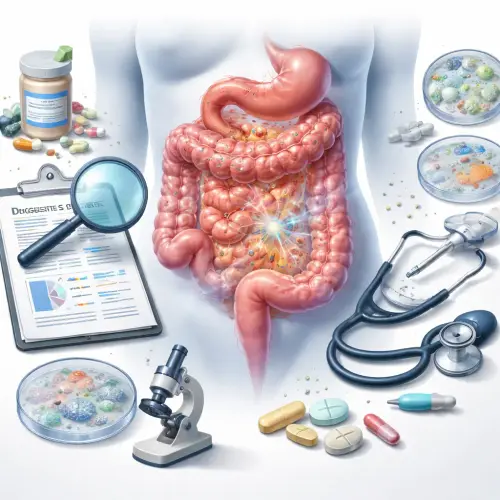
What the Research Really Says About Leaky Gut Syndrome
You may have heard the term leaky gut syndrome in health circles, but what does the science actually say? Over the past decade, researchers have moved from skepticism to cautious acceptance that increased intestinal permeability plays a role in many health conditions. Below, we break down 12 science-backed facts about leaky gut drawn from clinical studies, meta-analyses, and expert consensus. For a related guide, see 17 Signs of Poor Gut Health You Shouldn’t Ignore – Expert Warning.
Fact 1: Intestinal Permeability Is a Measurable Biological Reality
Increased intestinal permeability — often called leaky gut — is not a fringe theory. It can be objectively measured using sugar absorption tests like lactulose-mannitol ratios. A 2020 review in Nutrients confirmed that these tests reliably show higher permeability in people with irritable bowel syndrome, celiac disease, and type 1 diabetes.
Reference: Camilleri, M. (2020). Leaky gut: mechanisms, measurement and clinical implications in humans. Nutrients, 12(7), 2067.
Fact 2: Tight Junction Proteins Control Gut Barrier Function
The gut lining is held together by proteins called tight junctions. When these junctions loosen, larger molecules pass through. Research published in Annals of the New York Academy of Sciences shows that zonulin — a protein that modulates tight junctions — is elevated in conditions like autoimmune disorders and gut inflammation. This is one of the primary leaky gut causes and symptoms that researchers track.
Reference: Fasano, A. (2012). Zonulin, regulation of tight junctions, and autoimmune diseases. Annals of the New York Academy of Sciences, 1258(1), 25–33.
Fact 3: Gluten Can Trigger Increased Permeability in Susceptible People
Gluten activates zonulin release in some individuals, leading to temporary increases in gut permeability. This effect is most pronounced in people with celiac disease or non-celiac gluten sensitivity. A 2016 study in BMC Medicine found that gluten ingestion rapidly increased intestinal permeability in gluten-sensitive volunteers.
Reference: Hollon, J., et al. (2016). Gluen sensitivity and intestinal permeability. BMC Medicine, 14(1), 73.
Fact 4: Chronic Stress Directly Worsens Gut Barrier Function
Psychological stress activates the hypothalamic-pituitary-adrenal axis and releases cortisol, which can loosen tight junctions. Animal and human studies show that stress-induced permeability is real. A 2014 study in Gut demonstrated that academic exam stress alone increased intestinal permeability in otherwise healthy students.
Reference: Vanuytsel, T., et al. (2014). Psychological stress and corticotropin-releasing hormone increase intestinal permeability in humans. Gut, 63(8), 1293–1299.
Fact 5: Dysbiosis — Imbalanced Gut Bacteria — Fuels Leaky Gut
An unhealthy gut microbiome can produce toxins that damage tight junctions. Studies show that low levels of beneficial bacteria like Faecalibacterium prausnitzii correlate with higher intestinal permeability. This relationship is part of the complex leaky gut causes and symptoms puzzle that ongoing intestinal permeability research continues to unravel.
Reference: Lobionda, S., et al. (2019). Microbiota and host immune system interaction. Frontiers in Immunology, 10, 1627.
Fact 6: Alcohol Consumption Increases Gut Permeability
Even moderate alcohol intake can disrupt the gut barrier. Ethanol and its metabolite acetaldehyde directly damage tight junctions. A 2018 review in Alcohol Research: Current Reviews found that both acute and chronic alcohol consumption increase intestinal permeability, allowing bacterial endotoxins to enter circulation.
Reference: Bishehsari, F., et al. (2018). Alcohol and gut-derived inflammation. Alcohol Research: Current Reviews, 39(1), 37–50.
Fact 7: Nonsteroidal Anti-inflammatory Drugs (NSAIDs) Are a Common Culprit
Regular use of NSAIDs like ibuprofen and aspirin can damage the intestinal lining within hours. Research in Gastroenterology shows that NSAID-induced permeability occurs through the inhibition of cyclooxygenase enzymes and disruption of mucosal prostaglandins. This is one of the most well-documented leaky gut causes and symptoms in clinical practice.
Reference: Bjarnason, I., et al. (2018). NSAID-induced intestinal damage. Gastroenterology, 155(5), 1441–1454.
Fact 8: Leaky Gut Is Linked to Autoimmune Conditions
In people with genetic susceptibility, increased intestinal permeability may precede autoimmune disease. A landmark study in Diabetes found that children who later developed type 1 diabetes had elevated gut permeability years before diagnosis. Similar findings exist for celiac disease, rheumatoid arthritis, and lupus.
Reference: Bosi, E., et al. (2006). Increased intestinal permeability precedes clinical onset of type 1 diabetes. Diabetes, 55(6), 1822–1827.
Fact 9: Diet Rich in Processed Foods Promotes Permeability
Western diets high in sugar, emulsifiers, and saturated fats negatively impact tight junctions. A 2019 study in Nature Communications showed that dietary emulsifiers — common in packaged foods — directly altered the gut microbiome and increased intestinal permeability in mice. Human studies are now confirming similar effects.
Reference: Chassaing, B., et al. (2015). Dietary emulsifiers impact the mouse gut microbiota promoting colitis and metabolic syndrome. Nature Communications, 6, 7798.
Fact 10: L-Glutamine and Zinc May Support Gut Barrier Repair
Several nutrients show promise for strengthening the gut lining. L-glutamine is a primary fuel source for enterocytes (gut cells), and zinc plays a role in tight junction integrity. A 2014 randomized trial found that L-glutamine supplementation reduced intestinal permeability in patients with Crohn’s disease. These are among the most studied interventions in intestinal permeability research.
Reference: Benjamin, J., et al. (2014). Glutamine and whey protein improve intestinal permeability in patients with Crohn’s disease. Journal of Clinical Gastroenterology, 48(3), 212–218.
Fact 11: Leaky Gut May Influence Brain Health via the Gut-Brain Axis
Increased intestinal permeability allows inflammatory molecules to travel to the brain, potentially affecting mood and cognition. A growing field of intestinal permeability research links leaky gut to depression, anxiety, and even neurodegenerative conditions like Parkinson’s disease. A 2019 review in Frontiers in Psychiatry concluded that gut barrier dysfunction may be a modifiable risk factor for mood disorders.
Reference: Kelly, J. R., et al. (2015). Breaking down the barriers: the gut microbiome, intestinal permeability and stress-related psychiatric disorders. Frontiers in Psychiatry, 6, 152.
Fact 12: Dietary Interventions Can Reverse Increased Permeability
Certain diets have been shown to improve gut barrier function. The Mediterranean diet — rich in fiber, polyphenols, and healthy fats — reduces inflammatory markers and improves tight junction integrity. A 2020 study in Clinical Gastroenterology and Hepatology found that a low-FODMAP diet also reduced leaky gut syndrome symptoms in patients with IBS.
Reference: Halmos, E. P., et al. (2020). Diets that alter gut microbiota and reduce intestinal permeability. Clinical Gastroenterology and Hepatology, 18(11), 2467–2476.
Understanding the Bigger Picture: Leaky Gut Syndrome and Your Health
While leaky gut syndrome is not yet recognized as a formal medical diagnosis by all organizations, the underlying mechanisms are real, measurable, and clinically significant. The research clearly shows that increased intestinal permeability is a contributing factor in digestive disorders, autoimmune conditions, metabolic dysfunction, and even brain health.
If you suspect leaky gut syndrome is affecting your health, the most effective approach involves addressing root causes: removing triggers like NSAIDs and stress, supporting gut bacteria with a diverse fiber-rich diet, and replenishing key nutrients like zinc and L-glutamine. Work closely with a healthcare provider to interpret symptoms and choose appropriate tests.
Useful Resources
For more in-depth leaky gut syndrome information, consult these reputable sources:
- Intestinal Permeability – A Review on Physiology and Clinical Relevance — a comprehensive open-access paper from Clinical and Experimental Gastroenterology.
- AGA Technical Review: Pathophysiology of Intestinal Permeability — an expert review from the American Gastroenterological Association.
Frequently Asked Questions About leaky gut syndrome
What is leaky gut syndrome ?
Leaky gut syndrome refers to increased intestinal permeability, where the gut lining weakens and allows larger molecules like partially digested food, toxins, or bacteria to enter the bloodstream, potentially triggering inflammation.
Is leaky gut syndrome a proven medical condition?
Increased intestinal permeability is a scientifically proven phenomenon. However, leaky gut syndrome as a distinct medical diagnosis is still debated. Most gastroenterologists recognize permeability changes but caution against overgeneralizing.
What causes leaky gut syndrome ?
Key causes include poor diet (high sugar, processed foods), chronic stress, alcohol, NSAID use, gut dysbiosis, and certain infections like H. pylori.
What are the symptoms of leaky gut syndrome ?
Symptoms can include bloating, gas, food sensitivities, fatigue, joint pain, brain fog, skin issues like eczema, and autoimmune flare-ups. However, symptoms vary widely between individuals. For a related guide, see Anxiety and Gut Health: What You Need to Know Today.
How is leaky gut syndrome diagnosed?
Tests include the lactulose-mannitol urine test, zonulin stool test, and intestinal permeability breath tests. No single test is universally accepted, and diagnosis is often clinical.
Can leaky gut syndrome be cured?
Many people can reduce intestinal permeability through diet, stress management, and targeted supplements. There is no single “cure,” but the condition is often reversible.
What foods help heal leaky gut?
Bone broth, cooked vegetables, fermented foods (like sauerkraut and kimchi), healthy fats (olive oil, avocado), and fiber-rich foods support gut repair. Eliminating triggers like gluten and processed sugar is also key.
Does stress cause leaky gut?
Yes. Multiple studies show that psychological stress increases intestinal permeability through cortisol and other stress hormones. Mind-body practices like meditation and breathing exercises can help.
Can leaky gut syndrome cause autoimmune disease?
Research suggests increased permeability may precede or trigger autoimmune conditions in genetically susceptible individuals. Examples include celiac disease, type 1 diabetes, and rheumatoid arthritis.
Is there a link between leaky gut and brain fog?
Yes. Gut-derived inflammation can affect the brain via the vagus nerve and bloodstream, leading to symptoms like brain fog, poor concentration, and mood changes.
Can probiotics help leaky gut?
Certain probiotic strains like Lactobacillus rhamnosus GG and Bifidobacterium lactis have been shown to improve tight junction integrity in clinical studies. Consistency matters most.
Do antibiotics cause leaky gut?
Antibiotics can disrupt the gut microbiome, potentially increasing permeability if the beneficial bacteria are not restored. Probiotic use during and after antibiotics may help.
Is leaky gut syndrome linked to skin conditions?
Yes. Eczema, acne, and rosacea are often associated with gut permeability. The gut-skin axis is a well-researched connection in dermatology.
Can children have leaky gut syndrome ?
Yes, children can have increased intestinal permeability, often linked to early antibiotic use, poor diet, or conditions like celiac disease. Symptoms may include colic, allergies, or behavioral issues.
What role does vitamin D play in leaky gut?
Vitamin D helps regulate tight junction proteins. Low levels are associated with increased intestinal permeability in several studies. Supplementing vitamin D may support gut barrier function.
Can leaky gut cause joint pain?
Inflammatory molecules from a leaky gut can travel to joints, worsening arthritis or causing joint pain in sensitive individuals. This is especially common in people with autoimmune arthritis.
Is fasting beneficial for leaky gut?
Intermittent fasting may support gut health by giving the digestive system a rest and promoting autophagy. Early research suggests it can improve intestinal barrier integrity.
How long does it take to heal leaky gut?
Healing timelines vary from weeks to months depending on severity, underlying causes, and compliance with diet and lifestyle changes. Many people notice improvements within 4–12 weeks.
Can leaky gut syndrome cause weight gain?
Chronic inflammation from leaky gut can disrupt appetite-regulating hormones like leptin and ghrelin, potentially contributing to weight gain or difficulty losing weight.
Should I see a doctor for leaky gut syndrome ?
Yes. If you suspect leaky gut syndrome, consult a gastroenterologist or functional medicine practitioner for proper testing and a personalized plan rather than self-treating.