
Hormonal changes cause sleep disorders in women Key Takeaways
Hormones act as the body’s internal messengers, and when they fluctuate, sleep often suffers.
- Key hormonal changes cause sleep disorders in women at every life stage, including pregnancy, postpartum, and menopause.
- Common symptoms include insomnia, night sweats, restless legs, and waking up frequently during the night.
- Lifestyle adjustments, stress management, and targeted supplementation can help mitigate many hormone-driven sleep issues.
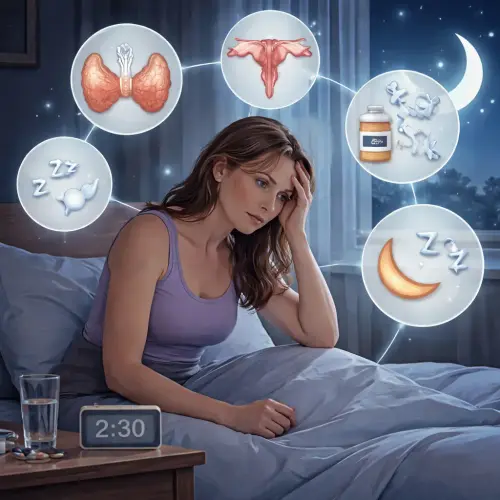
How Hormonal Changes Cause Sleep Disorders in Women: The Full List
Women experience unique hormonal rhythms that can profoundly impact sleep quality. While occasional poor sleep is normal, persistent disruptions often trace back to specific hormonal shifts. Below, we break down 15 of the most common culprits, explaining how each one interferes with the body’s natural sleep architecture. For a related guide, see 10 Ways Blue Light Exposure Is Ruining Your Sleep (Avoid These).
1. Estrogen Decline During Perimenopause
As estrogen levels drop in the years leading up to menopause, the body’s ability to regulate temperature becomes unstable. This leads to hot flashes and night sweats that can jolt you awake. Estrogen also influences serotonin production, a neurotransmitter that helps regulate the sleep cycle.
2. Progesterone Drop in Late Luteal Phase
Progesterone is a natural sleep aid because it has a calming effect on the brain. When it falls sharply just before menstruation, many women experience sleep disorders in women like difficulty falling asleep or staying asleep. This is a hallmark of premenstrual insomnia. For a related guide, see Anxiety and Insomnia: Why You Can’t Sleep at Night.
3. Cortisol Elevation from Chronic Stress
When stress is ongoing, the adrenal glands pump out excess cortisol. High evening cortisol levels interfere with melatonin production, making it harder to wind down. This creates a vicious cycle where poor sleep further elevates cortisol.
4. Melatonin Suppression from Blue Light
Melatonin is the hormone that signals your body it’s time to sleep. Evening screen exposure can suppress melatonin, but in women, estrogen fluctuations also affect melatonin receptor sensitivity. This combo can leave you feeling wired at bedtime.
5. Thyroid Hormone Imbalance (Hypothyroidism)
An underactive thyroid slows metabolism and can cause excessive daytime sleepiness, yet paradoxically leads to restless, non-restorative sleep at night. Hormonal changes involving TSH, T3, and T4 are often overlooked as a root cause of fatigue and insomnia.
6. Postpartum Progesterone Plunge
After childbirth, progesterone levels drop dramatically within days. This sudden withdrawal can cause intense anxiety and insomnia, even when the baby is sleeping. It’s one of the most dramatic hormonal shifts a woman’s body experiences.
7. Prolactin Elevation During Breastfeeding
Prolactin, the milk-producing hormone, can fragment sleep architecture. While it promotes deeper REM sleep in some women, it also increases the number of nighttime awakenings, making it harder to cycle through restorative sleep phases.
8. Testosterone Fluctuations and Sleep Apnea Risk
Though often thought of as a male hormone, testosterone plays a role in women’s sleep too. Low testosterone can reduce energy and mood, while high levels (common in PCOS) are linked to obstructive sleep apnea, a serious sleep disorder.
9. Insulin Resistance and Nighttime Glucose Drops
Insulin helps regulate blood sugar. When insulin sensitivity changes — especially during pregnancy or PCOS — blood sugar can dip overnight, triggering adrenaline release that wakes you up. This is often mistaken for anxiety-driven insomnia.
10. Leptin Resistance and Late-Night Hunger
Leptin is the hormone that tells your brain you’re full. When leptin signaling is disrupted (often due to excess body fat or poor diet), you may feel hungry at night, which disrupts sleep. Women sleep issues hormonal causes like this are common but underrecognized.
11. Ghrelin Surges from Sleep Deprivation
Ghrelin, the hunger hormone, rises when you’re sleep-deprived. This creates a feedback loop: poor sleep increases ghrelin, which makes you crave carbs late at night, which further disrupts sleep. Breaking this cycle requires addressing both sleep and hormone balance.
12. Oxytocin Drops and Restless Legs
Oxytocin, the bonding hormone, also promotes relaxation. Low oxytocin levels, especially after relationship stress or during postpartum, are associated with increased muscle tension and restless legs syndrome, a common sleep disorder in women.
13. Aldosterone and Fluid Retention
Aldosterone regulates sodium and fluid balance. During the premenstrual phase, aldosterone levels can spike, leading to fluid retention that worsens sleep apnea and causes frequent nighttime bathroom trips. This subtle hormonal shift disrupts sleep continuity.
14. Parathyroid Hormone and Calcium Dysregulation
When parathyroid hormone is out of balance, calcium levels in the blood may fall. Since calcium is essential for the production of melatonin, even a mild deficiency can hinder sleep onset. This hormonal changes link is often missed in routine sleep assessments.
15. Human Growth Hormone Decline with Age
Human growth hormone (HGH) is released mostly during deep sleep. As women age, HGH production declines, which reduces time spent in restorative slow-wave sleep. The result is lighter, more fragmented sleep even if total hours in bed remain the same.
Comparing Hormonal Sleep Disruptors Across Life Stages
| Life Stage | Dominant Hormonal Change | Primary Sleep Symptom |
|---|---|---|
| Menstrual Cycle | Progesterone drop (luteal phase) | Insomnia before period |
| Pregnancy | Progesterone surge + insulin changes | Daytime sleepiness, night awakenings |
| Postpartum | Progesterone + oxytocin drop | Anxiety-driven insomnia |
| Perimenopause | Estrogen + progesterone decline | Night sweats, fragmented sleep |
| PCOS | Insulin resistance + testosterone | Sleep apnea, restless legs |
Practical Steps to Manage Hormonal Sleep Issues
Knowing which hormonal changes cause sleep disorders in women is only half the battle. Here are science-backed strategies to stabilize each system and improve sleep.
Support the Circadian Rhythm with Morning Light
Exposure to natural light within 30 minutes of waking helps reset your cortisol and melatonin rhythms. This one habit can counteract many of the hormonal shifts listed above, especially estrogen and cortisol imbalances.
Balance Blood Sugar with Protein at Breakfast
A breakfast with at least 25 grams of protein helps stabilize insulin and ghrelin for the rest of the day. Stable blood sugar prevents those middle-of-the-night adrenaline surges that wake you up.
Use Targeted Supplements Wisely
Magnesium glycinate, glycine, and apigenin can support GABA and melatonin pathways. For progesterone-related insomnia, some women benefit from bioidentical progesterone cream under a doctor’s guidance. Never self-treat without lab work.
Manage Stress to Lower Evening Cortisol
Even 10 minutes of gentle yoga or deep breathing before bed can lower cortisol by 20-30%. This simple practice directly addresses one of the most powerful hormonal changes that disrupt sleep.
Useful Resources
For deeper reading on the connection between hormones and sleep, explore these expert-reviewed articles:
- Sleep Foundation: Women and Sleep – Comprehensive overview of how hormones affect sleep at every age.
- Endocrine Society: Sleep and Hormones – Detailed medical explanation of the bidirectional relationship between endocrine function and sleep.
Frequently Asked Questions About Hormonal changes cause sleep disorders in women
Can hormonal changes cause sleep disorders in women ?
Yes. Fluctuations in estrogen, progesterone, cortisol, and melatonin are directly linked to insomnia, night sweats, and restless sleep in women.
What hormone imbalance causes insomnia in women?
Low progesterone and high cortisol are the two most common imbalances associated with insomnia, especially during the luteal phase of the menstrual cycle and during menopause.
Which hormonal change during menopause affects sleep the most?
Estrogen decline is the primary culprit because it destabilizes body temperature regulation and reduces serotonin, making it harder to stay asleep through the night.
Can thyroid problems cause sleep disorders in women ?
Yes. Both hypothyroidism and hyperthyroidism can disrupt sleep. Hypothyroidism often causes excessive daytime sleepiness and poor sleep quality at night.
How does cortisol affect women’s sleep?
Elevated evening cortisol suppresses melatonin and keeps the brain in a state of alertness, making it difficult to fall asleep or return to sleep after waking.
Does pregnancy cause sleep disorders?
Yes. Rising progesterone in the first trimester causes daytime sleepiness, while later pregnancy brings physical discomfort, reflux, and frequent urination that disturb sleep.
What is the role of melatonin in women’s sleep?
Melatonin signals the brain to prepare for sleep. Estrogen receptors in the brain influence melatonin production, so when estrogen drops, melatonin may also drop.
Can PCOS cause sleep apnea?
Yes. Women with PCOS often have higher testosterone and insulin resistance, which increase the risk of obstructive sleep apnea regardless of body weight.
How do I know if my sleep problems are hormonal?
If sleep issues coincide with your menstrual cycle, pregnancy, postpartum, or perimenopause, hormones are likely a factor. A hormone panel can confirm specific imbalances.
Can low testosterone affect sleep in women?
Yes. Low testosterone is associated with low energy and mood changes, which can contribute to insomnia. Supplementation should only be done under medical supervision.
Does breastfeeding cause insomnia?
Prolactin surges during breastfeeding can fragment sleep, and the oxytocin dip after nursing may make it harder to fall back asleep even if the baby is settled.
Can insulin resistance cause night waking?
Yes. Insulin resistance can lead to nighttime blood sugar drops that trigger the release of stress hormones like adrenaline, waking you up abruptly.
What natural supplements help hormonal sleep disorders?
Magnesium glycinate, glycine, and apigenin are well-studied for supporting sleep. For progesterone-related issues, bioidentical progesterone cream may help under a doctor’s guidance.
Does exercise help regulate hormones for better sleep?
Yes. Moderate aerobic exercise lowers cortisol, improves insulin sensitivity, and boosts melatonin production. Over-exercising, however, can raise cortisol and worsen sleep.
Can birth control pills affect sleep?
Yes. Synthetic hormones in birth control can alter natural progesterone and estrogen rhythms, leading to mood changes and sleep disruption in sensitive women.
What is restless legs syndrome and is it hormonal?
Restless legs syndrome involves an irresistible urge to move the legs at night. It is linked to low iron, dopamine, and oxytocin, and is more common during pregnancy and perimenopause.
Can stress alone cause hormonal sleep disorders?
Yes. Chronic stress elevates cortisol, which suppresses melatonin and disrupts the entire sleep-wake cycle. Stress management is foundational for hormonal sleep health.
Does aging cause hormonal sleep changes in all women?
Most women experience some sleep changes with age due to declining estrogen, progesterone, and growth hormone, but the severity varies widely based on genetics and lifestyle.
How long does it take to fix hormonal insomnia?
It depends on the root cause. Lifestyle changes like diet and stress reduction can improve sleep within 1-2 weeks, while hormone replacement therapy may take 2-3 months to show full benefits.
Should I see a doctor for hormonal sleep issues?
Yes. A primary care physician, gynecologist, or endocrinologist can order appropriate lab tests and offer personalized treatment options, including hormone therapy if needed.