
anxiety causing chronic insomnia Key Takeaways
If you lie awake night after night with a racing mind, the problem may not be your mattress or caffeine intake — it could be undiagnosed anxiety.
- Anxiety insomnia is a vicious cycle: worry about sleep makes it harder to sleep, which then fuels more anxiety.
- Recognizing the 14 specific signs — from bedtime vigilance to muscle tension — helps you identify whether anxiety is the root cause of your sleeplessness.
- Targeted strategies like cognitive behavioral therapy, relaxation techniques, and lifestyle adjustments can break the chronic insomnia causes linked to anxiety.
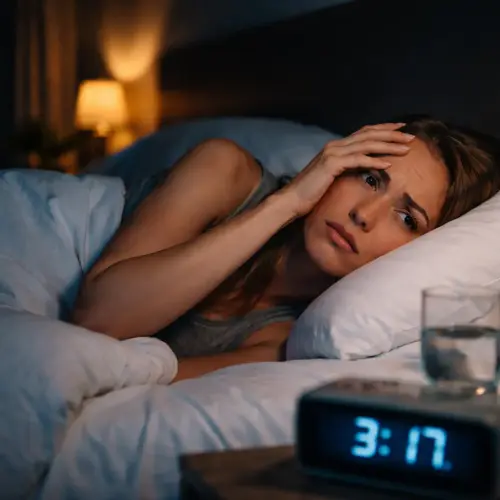
What Is the Link Between Anxiety and Chronic Insomnia?
Anxiety and insomnia share a bidirectional relationship. When your brain is stuck in a state of hyperarousal — constantly scanning for threats, real or imagined — it becomes nearly impossible to power down for sleep. Over time, this persistent alertness rewires your nervous system, making restful sleep feel like a luxury you can no longer access.
Studies from the American Academy of Sleep Medicine show that people with generalized anxiety disorder are three times more likely to develop chronic insomnia. The problem isn’t just difficulty falling asleep; it’s also fragmented sleep, early waking, and unrefreshing rest. Recognizing the specific signs of anxiety insomnia early can prevent the condition from becoming a long-term health burden. For a related guide, see Anxiety and Insomnia: Why You Can’t Sleep at Night.
14 Warning Signs That Anxiety Is Driving Your Sleeplessness
Below are fourteen markers that distinguish anxiety-fueled insomnia from other forms of sleep disruption. If several of these resonate with your nightly experience, anxiety may well be the hidden driver.
1. Bedtime Becomes a Mental Marathon
As soon as your head hits the pillow, your brain begins replaying conversations, worrying about tomorrow, or imagining worst-case scenarios. This racing mind is the hallmark of anxiety causing chronic insomnia. Unlike bedtime restlessness from caffeine, anxious thoughts feel uncontrolled and relentless. For a related guide, see 14 Signs Sleep Anxiety Is Keeping You Awake (Don’t Ignore #7).
2. You Wake Up Dreading the Day Ahead
Waking up at 3 or 4 a.m. with a pounding heart and a feeling of impending doom is a classic sign. This early morning awakening is strongly associated with cortisol spikes driven by anxiety. You may not have trouble falling asleep initially, but staying asleep becomes impossible.
3. Sleep Effort Becomes a Source of Stress
Do you find yourself worrying about whether you will fall asleep? This sleep performance anxiety creates a self-fulfilling prophecy. The more you try to force sleep, the more alert your brain becomes — a hallmark of anxiety insomnia.
4. Physical Tension That Won’t Release
Anxiety often manifests as clenched jaws, tight shoulders, or a knotted stomach. This chronic muscle tension makes it physically uncomfortable to relax into sleep. You may toss and turn all night without ever finding a comfortable position.
5. Nightly Rituals Take Hours
If you need an elaborate routine — checking locks repeatedly, adjusting the thermostat, reading the same paragraph three times — to feel safe enough to sleep, anxiety may be the cause. These compulsive behaviors are subtle chronic insomnia causes rooted in an anxious need for control.
6. Your Heart Races at Night Without Explanation
A racing or pounding heart at bedtime — especially when you aren’t exercising or consuming stimulants — often reflects an overactive sympathetic nervous system. This is your body’s fight-or-flight response stuck in the on position.
7. You Experience Night Sweats or Chills
Anxiety can trigger temperature dysregulation. Many people with anxiety causing chronic insomnia report waking up drenched in sweat or shivering despite a comfortable room temperature. These symptoms are not just uncomfortable; they disrupt sleep architecture. For a related guide, see 10 Long COVID Symptoms That Hurt Sleep Quality – Avoid These.
8. Catastrophic Thinking Takes Over at Night
Lying in the dark, do you imagine the worst possible outcomes for everyday problems? This type of catastrophic thinking is a cognitive symptom of anxiety that directly interferes with sleep onset and maintenance.
9. You Avoid the Bedroom During the Day
If your bedroom has become associated with stress and frustration, you might find yourself staying out of it even when tired. This avoidance behavior reinforces the cycle: your brain learns to view the bed as a trigger for anxiety rather than a sanctuary for rest.
10. You Wake Up Feeling Exhausted No Matter How Long You Sleep
Even after eight or nine hours in bed, you may feel as if you haven’t slept at all. Anxiety can prevent you from reaching deep restorative sleep stages, leaving you in a state of light, fragmented slumber. This is among the most common signs of anxiety insomnia.
11. You Rely on Alcohol or Sleep Aids to Fall Asleep
Turning to a glass of wine or an over-the-counter sleep aid every night may temporarily quiet anxious thoughts, but these substances actually worsen sleep quality. Alcohol disrupts REM sleep, and dependence can develop quickly, masking the underlying anxiety insomnia.
12. Your Dreams Are Disturbing or Violent
Anxiety often spills over into the dream world. Nightmares or unsettling dreams about being chased, falling, or losing control are common. These dreams can cause you to wake up in a panic, making it hard to return to sleep.
13. You Feel Irritable or Emotionally Fragile the Next Day
Chronic sleep deprivation from anxiety doesn’t just affect your energy — it depletes your emotional reserves. You may find yourself snapping at loved ones, crying easily, or feeling overwhelmed by minor stressors. This emotional volatility is a direct consequence of poor sleep.
14. You Have Developed a Fear of the Dark
While often seen as a childhood issue, a fear of darkness can persist or re-emerge in adults with high anxiety. The darkness feels like an invitation for your mind to wander into fearful territory. This phobia can make the prospect of bedtime genuinely frightening.
How to Break the Cycle of Anxiety Causing Chronic Insomnia
Recognizing these signs is empowering because it points you toward targeted solutions. Here are evidence-based approaches to quiet the anxious brain and restore healthy sleep.
Start With a Consistent Wind-Down Routine
Give your brain at least 45 minutes of low-stimulation activity before bed. Avoid screens, bright lights, and emotionally charged conversations. Instead, try gentle stretching, journaling to offload worries, or listening to calming music. This signals to your nervous system that it is safe to power down.
Practice Cognitive Behavioral Therapy for Insomnia (CBT-I)
CBT-I is a first-line treatment for chronic insomnia and is highly effective for anxiety-driven sleep problems. It helps you identify and reframe the anxious thoughts that keep you awake, while also implementing healthy sleep habits. Many therapists now offer remote sessions, making it more accessible than ever.
Try a Relaxation Technique Before Bed
Progressive muscle relaxation, diaphragmatic breathing, or guided imagery can directly counter the physical tension and racing thoughts of anxiety. Spending just 10 minutes on these practices can lower your heart rate and prepare your body for deep sleep.
Limit Caffeine and Alcohol Intake
Both substances exacerbate anxiety and disrupt sleep. Caffeine stays in your system for hours and can heighten feelings of nervousness; alcohol fragments sleep architecture. If you’re serious about addressing chronic insomnia causes, consider cutting both out entirely for two weeks to see if your sleep improves.
Create a Safe Sleep Environment
Make your bedroom a sanctuary for calm. Use blackout curtains, a white noise machine, and a cool temperature. Remove clutter and work materials. For some, weighted blankets can provide a sense of grounding that reduces nighttime anxiety.
Seek Professional Support
If you’ve tried these strategies and still struggle with anxiety causing chronic insomnia, it may be time to consult a mental health professional. Therapies like CBT, acceptance and commitment therapy (ACT), and even medication (under medical supervision) can be life-changing.
Useful Resources
For more information about the link between anxiety and sleep, explore these trusted sources:
- Sleep Foundation: Anxiety and Sleep — Comprehensive overview of how anxiety disrupts sleep patterns.
- Anxiety and Depression Association of America: Sleep Disorders — Expert resources on managing sleep issues rooted in anxiety.
Frequently Asked Questions About anxiety causing chronic insomnia
Can anxiety cause chronic insomnia even if I don’t feel anxious during the day?
Absolutely. Some people experience what’s known as “high-functioning anxiety” — they appear calm during the day, but the anxiety surfaces at night when there are fewer distractions. This type of hidden anxiety is a common driver of anxiety causing chronic insomnia.
How do I know if my insomnia is from anxiety or something else?
Look for the presence of racing thoughts, physical tension, and a feeling of dread or worry tied directly to sleep. If your sleeplessness is accompanied by daytime worry, irritability, or avoidance of the bedroom, anxiety is likely a major factor.
What are the most common chronic insomnia causes related to anxiety?
The most common causes include hyperarousal of the nervous system, cognitive hyperactivity (racing thoughts), physical muscle tension, and poor sleep habits developed in response to anxiety. These often reinforce each other, creating a persistent cycle.
Can anxiety insomnia go away on its own?
In mild cases, if the situational anxiety resolves, sleep may improve. However, chronic anxiety-driven insomnia typically requires active intervention — such as therapy, lifestyle changes, or stress management — to break the cycle.
What’s the best treatment for anxiety causing chronic insomnia?
Cognitive Behavioral Therapy for Insomnia (CBT-I) is the gold standard. It addresses both the anxious thoughts and the behavioral patterns that sustain poor sleep. Many people also benefit from relaxation training and, when needed, medication prescribed by a doctor.
Is it safe to take melatonin for anxiety insomnia ?
Melatonin can help with sleep onset, but it does not address the underlying anxiety. It is generally safe for short-term use, but consulting a healthcare provider before starting any supplement is recommended, especially if you have other health conditions.
Will exercise help with nighttime anxiety?
Yes, regular physical activity reduces overall anxiety levels and can improve sleep quality. However, vigorous exercise too close to bedtime may be stimulating for some people, so aim to finish workouts at least three hours before sleep.
Can diet affect anxiety-caused insomnia?
Yes. Diets high in sugar, caffeine, and processed foods can worsen anxiety. Incorporating whole grains, lean proteins, magnesium-rich foods (like spinach or almonds), and herbal teas such as chamomile may support calmer sleep.
What should I do when I wake up at 3 a.m. with anxiety?
Stay in bed and practice slow, deep belly breathing. If you remain anxious after 20 minutes, get up and do a calming activity in dim light — like reading a light book — until you feel drowsy again. Avoid checking your phone or the time.
Can anxiety cause sleep paralysis?
Anxiety can increase the likelihood of sleep paralysis. Stress disrupts normal REM sleep cycles, and sleep paralysis often occurs when your mind wakes up before your body has exited REM. Reducing overall anxiety can lower the frequency of these episodes.
Is it possible to have both anxiety and a sleep disorder like sleep apnea?
Yes, the two can coexist. Sleep apnea can actually mimic or worsen anxiety symptoms, and anxiety can make sleeping with a CPAP machine more difficult. If you suspect sleep apnea, a sleep study is essential for accurate diagnosis.
How long does it take to break the cycle of anxiety insomnia ?
With consistent use of CBT-I and lifestyle changes, many people see noticeable improvement within 4 to 8 weeks. However, underlying anxiety may require ongoing management. Patience and consistency are key.
Can my job or financial stress cause chronic insomnia?
Yes, prolonged job or financial stress is a common cause of anxiety-driven insomnia. Even after the stressor resolves, the sleep pattern can remain disrupted, which is why early intervention is important.
Are there natural supplements that help with anxiety insomnia ?
Some people find relief with magnesium glycinate, L-theanine (found in green tea), or valerian root. Always discuss supplements with a healthcare provider to avoid interactions with medications and to ensure they are appropriate for your situation.
What’s the difference between generalized anxiety disorder (GAD) and anxiety insomnia ?
GAD is a broader diagnosis involving excessive worry across multiple areas of life. Anxiety insomnia refers specifically to sleep disruption caused by anxiety. GAD commonly leads to anxiety insomnia, but someone can have anxiety insomnia without meeting the full criteria for GAD.
Should I avoid screens completely before bed?
Yes, ideally stop using all screens — including smartphones, tablets, and TVs — at least 45 minutes before bed. Blue light suppresses melatonin and can heighten alertness, making it harder to fall asleep.
Can meditation really help with anxiety insomnia ?
Regular mindfulness meditation has been shown to reduce anxiety levels and improve sleep quality. Even 5 to 10 minutes of guided meditation before bed can calm a racing mind and promote relaxation.
Do weighted blankets help with nighttime anxiety?
Many people find weighted blankets grounding and soothing. The deep pressure stimulation can lower cortisol levels and increase serotonin, which may help quiet anxious thoughts and improve sleep onset.
What are the signs of anxiety insomnia in children?
Children may show resistance to going to bed, frequent nightmares, complaints of stomachaches or headaches at bedtime, and increased clinginess. If these signs persist, consult a pediatrician or child therapist.
Can anxiety cause you to sleep too much (hypersomnia)?
Yes, some people with anxiety experience hypersomnia as a way to escape stressful feelings. This is less common than insomnia but still a valid presentation. The underlying anxiety still needs to be addressed for healthy sleep patterns to return.