
Reasons Snoring May Be a Health Concern Key Takeaways
Snoring is often dismissed as a nuisance, but emerging research shows that persistent, loud snoring may signal serious health risks beneath the surface.
- Chronic snoring is closely linked to obstructive sleep apnea , a disorder that causes repeated breathing pauses during sleep.
- Untreated snoring can increase your risk of high blood pressure, heart disease, stroke, and cognitive decline.
- Lifestyle changes, medical evaluation , and therapies like CPAP can reduce both snoring and its associated health dangers.
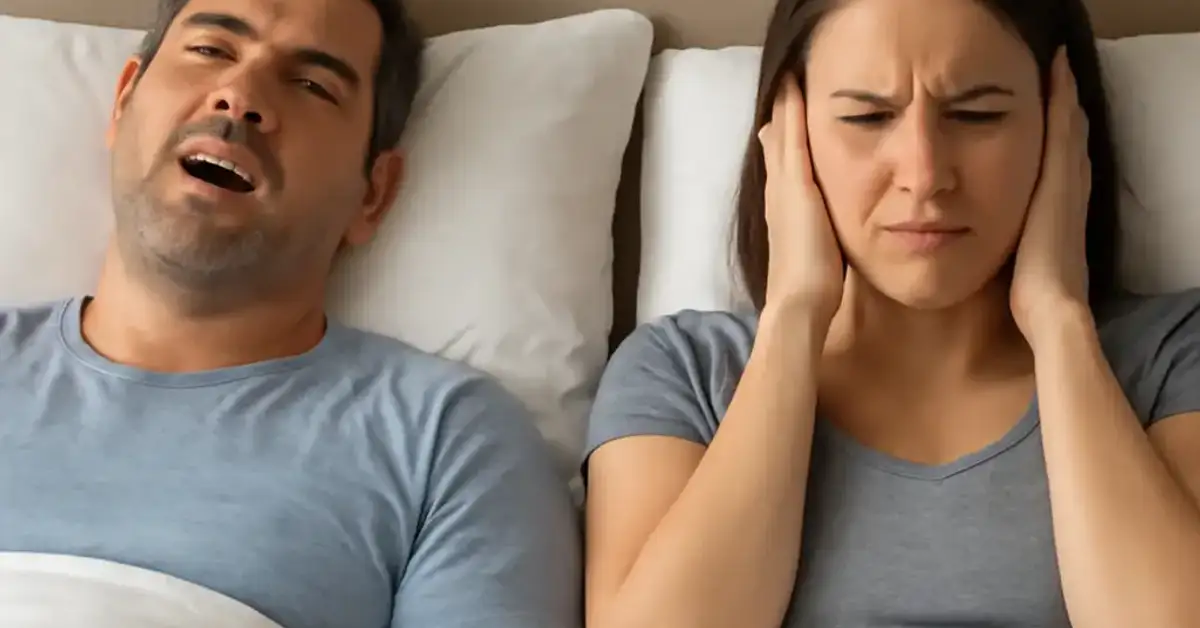
What Every Sleeper Should Know About the Reasons Snoring May Be a Health Concern
If you or your partner snores loudly night after night, it is easy to assume it is just a bad habit or a nuisance. However, snoring as a potential sign of obstructive sleep apnea transforms that nighttime noise into a possible medical red flag. Millions of adults experience airway obstruction during sleep and breathing irregularities without realizing these episodes fragment sleep, starve the brain of oxygen, and burden the heart. By understanding the nine major health concerns connected to snoring, you can distinguish between benign snoring and a condition that demands professional attention.
1. Obstructive Sleep Apnea: The Hidden Sleep Disorder Behind Loud Snoring
The strongest medical concern tied to chronic snoring is obstructive sleep apnea (OSA). In OSA, the throat muscles relax too much during sleep, causing the airway to narrow or close completely. This leads to a pause in breathing that can last ten seconds or longer, followed by a gasp or choke as the brain rouses you to breathe again.
What Makes This a Health Risk
The hallmark of OSA is sleep disorder that fragments your rest hundreds of times per night. Each breathing pause reduces oxygen levels in the blood, forcing the heart to work harder. If you wake up with a dry mouth, experience morning headaches, or have been told your snoring is extremely loud snoring, this may indicate undiagnosed apnea. For a related guide, see 10 Early Signs of Sleep Apnea You Shouldn’t Ignore.
When to Consider a Sleep Study
A sleep study — either at home or in a lab — remains the gold standard for diagnosing OSA. If your partner reports that you stop breathing during sleep or you frequently wake up gasping, medical evaluation is essential. Early intervention with CPAP therapy can restore healthy breathing and dramatically lower long-term risks.
2. Oxygen Deprivation During Sleep and Its Effect on Vital Organs
The link between loud chronic snoring and oxygen deprivation is one of the most concerning health angles. When the airway is partially blocked, oxygen levels in the bloodstream can drop significantly. Over time, these intermittent dips in oxygen create a state of chronic stress on the body.
How Oxygen Deprivation Damages the Body
Repeated oxygen deprivation triggers inflammation, increases oxidative stress, and forces the cardiovascular system to compensate. The brain, which is highly sensitive to oxygen levels, can suffer impaired function after only a few nights of disrupted breathing. This is why many chronic snorers report brain fog, memory lapses, and difficulty concentrating during the day.
Restoring Healthy Oxygen Levels
Addressing the root cause — whether it is nasal blockage, enlarged tonsils, or obesity — helps restore normal oxygen saturation. For some, a simple change like sleeping on the side (positional therapy) reduces airway collapse. For others, a CPAP machine is needed to keep the airway open all night.
3. Poor Sleep Quality and Its Domino Effect on Daily Life
There is a strong association between snoring and poor sleep quality. Even if you spend eight hours in bed, sleep fragmentation and frequent awakenings due to airway resistance prevent you from reaching the deeper, restorative stages of sleep. The result is restless sleep that leaves you unrefreshed.
Daytime Fatigue and Reduced Alertness
Daytime fatigue and reduced alertness caused by disrupted sleep are not just annoying — they are dangerous. Drowsy driving, decreased work performance, and a higher likelihood of accidents are well-documented consequences of poor sleep. Studies show that people with untreated sleep apnea are up to five times more likely to be involved in a motor vehicle crash.
Improving Sleep Quality
Improving sleep quality often starts with identifying whether snoring is the cause or a symptom. Using a sleep diary, tracking snoring patterns with a smartphone app, and discussing results with a doctor can clarify the path to better rest.
4. Cardiovascular Risks: High Blood Pressure, Heart Disease, and Stroke
The relationship between snoring and cardiovascular risks such as high blood pressure is supported by decades of clinical research. When you snore loudly and your airway is obstructed, your body releases stress hormones to force you awake. These hormones raise heart rate and blood pressure throughout the night.
Increased Risk of Stroke and Heart Disease
Over time, this nightly strain contributes to sustained hypertension, atrial fibrillation, and an increased risk of stroke and heart disease linked to chronic snoring. The cardiovascular risk is particularly high in middle-aged adults who are overweight and have a family history of heart problems.
Taking Action to Protect Your Heart
Monitoring your blood pressure at home and discussing snoring patterns with your primary care physician are smart first steps. A sleep study can determine whether OSA is contributing to your cardiovascular risk profile.
5. Metabolic and Respiratory Issues That Snoring Can Indicate
Snoring is frequently an indicator of metabolic and respiratory issues. Conditions such as hypothyroidism, polycystic ovary syndrome (PCOS), and even prediabetes can manifest as loud snoring. The influence of obesity and lifestyle factors on snoring severity is especially strong, as excess weight around the neck compresses the airway.
Hormonal Imbalance and Sleep Disruption
Hormonal imbalance and sleep disruption caused by chronic snoring form a vicious cycle. Poor sleep alters cortisol and ghrelin levels, which can increase appetite and lead to further weight gain — worsening snoring in the process.
Connection Between Snoring and GERD
The connection between snoring and GERD or acid reflux is another overlooked link. The pressure changes that occur during airway obstruction can pull stomach acid into the esophagus, causing nighttime heartburn that further disturbs sleep.
6. Nighttime Gasping or Choking: A Warning You Cannot Ignore
Nighttime gasping or choking as warning signs of serious sleep disorders should never be brushed off. If you wake up with a racing heart, a sensation of suffocation, or your partner describes episodes where you stop breathing followed by a loud snort, these are classic signs of severe OSA.
Why These Episodes Are Dangerous
Each gasping or choking event represents a moment when your brain forced you awake to restart breathing. This sleep disruption fragments your night and keeps you from entering deep sleep. Over weeks and months, the accumulated effect can impair immune function, memory, and emotional stability.
Seeking Immediate Medical Evaluation
If you experience these symptoms, schedule a medical evaluation as soon as possible. A sleep specialist can order a polysomnogram to measure oxygen levels, brain activity, and breathing patterns throughout the night.
7. Brain Function and Cognitive Performance Under Siege
The impact of snoring on brain function and cognitive performance is substantial. Reduced oxygen intake during sleep affecting overall health is especially damaging to the hippocampus, which is responsible for memory consolidation. Chronic snorers often report difficulty learning new information, slower reaction times, and mood swings.
Sleep Fragmentation and Brain Health
Even without full-blown apnea, sleep fragmentation and frequent awakenings due to airway resistance prevent the brain from clearing metabolic waste products. Over a lifetime, this may increase the risk of neurodegenerative conditions.
Protecting Cognitive Health
Addressing snoring early can protect brain health. Cognitive performance often improves within weeks of starting effective treatment, whether that is CPAP, oral appliance therapy, or lifestyle adjustments.
8. Anatomical Issues and Lifestyle Factors That Fuel Snoring
Snoring as a symptom of underlying anatomical issues like nasal blockage or enlarged tonsils is common. Deviated septum, nasal polyps, and a low-hanging soft palate are all structural contributors that can cause breathing problems during sleep.
Obesity and Snoring: A Powerful Connection
The obesity and snoring link is well established. Fat deposits around the neck narrow the airway, making collapse during sleep more likely. Weight loss of even 10% can significantly reduce snoring severity and sometimes resolve mild sleep apnea entirely. For a related guide, see 12 Health Risks Linking Obesity and Sleep Apnea: Essential Warning Signs.
Other Lifestyle Factors
Alcohol consumption, sedative use, and smoking relax the throat muscles and worsen snoring causes. Addressing these factors — along with sleeping position — can provide meaningful relief for many people.
9. Relationship Strain, Quality of Life, and the Case for Early Action
The impact of snoring on relationships and quality of life is often the reason people finally seek help. Loud snoring can drive partners to sleep in separate rooms, create resentment, and reduce intimacy. Beyond the relationship, the overall importance of recognizing snoring as a potential health warning sign cannot be overstated.
Importance of Distinguishing Harmless Snoring From Clinical Disorders
Not everyone who snores has a sleep disorder. But the importance of distinguishing harmless snoring from clinical sleep disorders lies in the consequences of missing a diagnosis. Primary snoring (without apnea) is generally not dangerous, but it cannot be distinguished from mild OSA without testing.
Importance of Early Diagnosis and Intervention
The importance of early diagnosis and intervention for sleep health is perhaps the most actionable takeaway. When caught early, treatments such as CPAP therapy, lifestyle changes, and positional therapy are highly effective. Delaying evaluation only allows the damage to accumulate.
Useful Resources
For more detailed information on snoring and sleep disorders, explore these trusted sources:
- Sleep Foundation: Snoring Overview and Health Risks — Comprehensive guide on snoring causes, health impacts, and treatment options.
- American Heart Association: Sleep Apnea and Cardiovascular Risk — Detailed explanation of how snoring and sleep apnea affect heart health.
Recognizing Snoring as a Health Warning Sign
If you or someone you love snores loudly, the nine reasons snoring may be a health concern listed here offer a clear road map for what to look for. From obstructive sleep apnea to cardiovascular risk and cognitive decline, the consequences of ignoring the noise are too significant to dismiss. The overall importance of recognizing snoring as a potential health warning sign lies in the opportunity for early intervention. A medical evaluation, a sleep study, and appropriate treatment options such as CPAP, lifestyle changes, and positional therapy can restore your sleep health and reduce your long-term health risks. Do not let snoring be something you simply put up with — take it seriously, and your body will thank you.
Frequently Asked Questions About Reasons Snoring May Be a Health Concern
Why is snoring a health concern?
Snoring can indicate obstructive sleep apnea, which causes repeated breathing interruptions, oxygen drops, and fragmented sleep — all of which raise the risk of heart disease, stroke, and cognitive decline.
When is snoring dangerous?
Snoring becomes dangerous when it is accompanied by breathing pauses, gasping, choking, excessive daytime fatigue, or morning headaches. These signs suggest a sleep disorder like sleep apnea that requires medical evaluation. For a related guide, see 12 Symptoms of Sleep Related Breathing Problems.
What causes chronic snoring?
Common snoring causes include nasal blockage, enlarged tonsils, a deviated septum, obesity and snoring, alcohol use, sleeping on the back, and anatomical narrowing of the airway.
Is snoring always harmless?
No. Primary snoring (without breathing pauses) is generally harmless, but loud snoring accompanied by breathing problems during sleep can indicate a serious sleep disorder that needs professional attention.
Can snoring be a sign of sleep apnea ?
Yes. Snoring as a potential sign of obstructive sleep apnea is one of the most common indicators. If snoring is loud, persistent, and punctuated by gasps or silent pauses, a sleep study is recommended.
How does snoring affect health?
Snoring can lead to oxygen deprivation, sleep disruption, daytime fatigue, cardiovascular risk, impaired cognitive performance, hormonal imbalance, and increased likelihood of accidents.
What are the risks of untreated snoring?
Untreated chronic snoring increases the risk of high blood pressure, heart attack, stroke, type 2 diabetes, weight gain, depression, and relationship problems. The health risks of snoring are cumulative over time.
Why do people snore loudly at night?
Loud snoring occurs when the airway is narrowed enough to cause soft tissues to vibrate. Underlying causes range from nasal blockage to obstructive sleep apnea, often worsened by weight or sleeping position.
When should snoring be checked by a doctor?
You should seek medical evaluation if snoring is loud enough to wake a partner, if you gasp or choke at night, wake up tired, have morning headaches, or experience daytime fatigue that affects your daily life.
What treatments help reduce snoring?
Effective treatment options such as CPAP, lifestyle changes, and positional therapy can significantly reduce or eliminate snoring. Weight loss, avoiding alcohol before bed, and treating allergies also help.
Can snoring cause high blood pressure?
Yes. The relationship between snoring and cardiovascular risks such as high blood pressure is well documented. Recurrent oxygen deprivation triggers stress hormones that elevate blood pressure throughout the night and day.
Is there a link between snoring and stroke?
Yes. Increased risk of stroke and heart disease linked to chronic snoring is a serious concern. Intermittent hypoxia and inflammation from untreated apnea damage blood vessels over time.
Can children have sleep apnea from snoring?
Yes. Children with enlarged tonsils or adenoids may develop obstructive sleep apnea. Signs include loud snoring, restless sleep, bedwetting, and behavioral issues during the day.
Does snoring affect memory and concentration?
Absolutely. The impact of snoring on brain function and cognitive performance includes memory lapses, poor concentration, slower reaction times, and mood changes due to sleep fragmentation.
What is the best sleeping position to reduce snoring?
Sleeping on your side is generally best to keep the airway open. Positional therapy — using a body pillow or special device — can help train you to avoid back sleeping.
Can losing weight stop snoring?
Weight loss is one of the most effective interventions. The influence of obesity and lifestyle factors on snoring severity means even modest weight loss can reduce neck circumference and airway compression.
What is a sleep study and how does it work?
A sleep study (polysomnogram) monitors brain waves, oxygen levels, heart rate, and breathing patterns during sleep. It can be done at home or in a lab and is the definitive test for sleep apnea.
Can allergies cause snoring?
Yes. Nasal blockage from allergies forces mouth breathing, which narrows the airway and increases the likelihood of snoring. Treating allergies with antihistamines or nasal sprays can help.
Is CPAP therapy uncomfortable?
Modern CPAP therapy devices are much quieter and more comfortable than older models. Many users adapt within a few weeks and report a dramatic improvement in sleep quality and daytime fatigue.
What is the difference between primary snoring and sleep apnea ?
Primary snoring involves noisy breathing without breathing pauses or oxygen deprivation. Sleep apnea includes repeated airway collapse, drops in oxygen, and sleep fragmentation. Only a sleep study can confirm the difference.