
symptoms of depression in adults Key Takeaways
Depression is more than just feeling down for a day; it is a persistent condition that affects thoughts, emotions, and daily functioning.
- Key signs include persistent sadness, loss of interest, fatigue, and changes in sleep or appetite that last at least two weeks.
- Physical symptoms such as body aches, digestive issues, and low energy are often overlooked but are common in adult depression.
- Early recognition and professional help—through therapy, medication, or lifestyle adjustments—can lead to effective management and recovery.
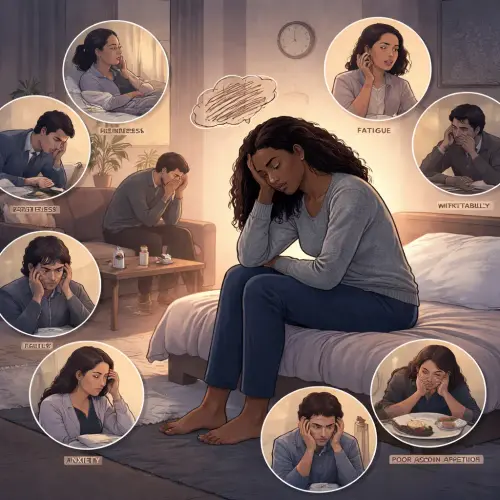
Why Recognizing the Symptoms of Depression in Adults Matters
Depression is one of the most prevalent mental health conditions worldwide, affecting more than 264 million people according to the World Health Organization. Yet many adults dismiss early warning signs as stress or a passing mood. Learning to identify the 10 common symptoms of depression in adults allows you to separate temporary sadness from a treatable medical condition. Early intervention often leads to faster relief and reduces the risk of complications like anxiety disorders or substance misuse.
1. Persistent Sadness or Low Mood
The hallmark of depression is a pervasive sad, empty, or hopeless mood that lasts most of the day, nearly every day, for at least two weeks. Unlike normal grief, this sadness does not lift with positive events. Adults may describe it as a feeling of heaviness or emotional numbness. This is one of the most recognizable symptoms of depression in adults and often prompts the first conversation with a healthcare provider.
2. Loss of Interest or Pleasure (Anhedonia)
Activities that once brought joy—hobbies, socializing, exercise, or sex—no longer feel rewarding. This symptom, called anhedonia, is a core criterion for a major depressive episode. It can lead to social withdrawal and relationship strain. If you notice a consistent lack of interest in life, it may signal depression.
3. Significant Changes in Appetite or Weight
Depression can either suppress or increase appetite. Some adults experience unintentional weight loss (5% or more within a month) without dieting, while others may crave carbohydrates and gain weight. Both patterns are common and reflect how depression disrupts the brain’s reward and hunger centers.
4. Sleep Disturbances
Insomnia—trouble falling asleep, staying asleep, or waking too early—affects about 75% of adults with depression. Others experience hypersomnia, sleeping 10 to 12 hours a night yet still feeling exhausted. Poor sleep worsens other depressive symptoms, creating a vicious cycle that can be hard to break without professional support.
5. Fatigue or Loss of Energy
Nearly every adult with depression reports feeling drained, even after minimal effort. Tasks like showering, cooking, or answering emails feel overwhelming. This fatigue is physical and mental, not simply a lack of sleep. It is a frequently overlooked symptom of depression in adults, often mistaken for burnout or a busy lifestyle. For a related guide, see Anxiety in Older Adults: Symptoms and Care Guide.
6. Psychomotor Changes: Agitation or Slowing
Depression can show up in movement. Some individuals feel restless, fidgety, or unable to sit still (psychomotor agitation). Others move slowly, speak softly, and appear physically slowed down (psychomotor retardation). These observable changes are important clues for clinicians and family members.
7. Feelings of Worthlessness or Excessive Guilt
Adults with depression often criticize themselves harshly, focusing on past mistakes or perceived failures—even small ones. This guilt is disproportionate and persistent. It can feed negative thinking and make it difficult to accept help. This emotional pattern is a distinct symptom of depression in adults and differs from general low self-esteem.
8. Difficulty Concentrating or Making Decisions
Cognitive fog is a common complaint: trouble focusing at work, forgetting appointments, or indecisiveness about simple choices. Brain imaging studies show that depression affects the prefrontal cortex, which governs executive function. Many adults first notice this symptom in their productivity drop, not realizing it is a sign of depression.
9. Unexplained Physical Aches and Pains
Depression frequently manifests as physical discomfort—headaches, back pain, stomach issues, or joint pain—without a clear medical cause. These chronic pain conditions often coexist with depression. If medical tests come back normal but pain persists, screening for depression may be warranted.
10. Recurrent Thoughts of Death or Suicide
The most serious symptom involves thinking about death, dying, or suicide—whether passive wishes (“I don’t want to wake up”) or active plans. Any mention of self-harm should be taken seriously. The 988 Suicide and Crisis Lifeline provides immediate, confidential support.
How to Respond When You Recognize These Signs
If you or someone you know experiences five or more of these symptoms for two weeks or longer, it is time to speak with a doctor or mental health professional. Depression is highly treatable through therapy (like cognitive behavioral therapy), medication, or a combination. Lifestyle changes—regular exercise, sleep routines, and social connection—also help but rarely suffice alone. The most important step is reaching out. You are not alone, and effective help is available. For a related guide, see 10 Major Causes of Depression: Expert Warning Signs You Must.
| Symptom | Key Indicator | Duration to Note |
|---|---|---|
| Persistent sadness | Feels empty or hopeless most days | At least 2 weeks |
| Loss of interest | No pleasure in hobbies or socializing | Nearly every day |
| Fatigue | Exhausted after minimal effort | Consistent |
| Sleep changes | Insomnia or oversleeping | Every night |
| Appetite changes | Significant weight loss or gain | 1 month |
| Cognitive fog | Poor concentration, indecisiveness | Daily |
| Physical aches | Unexplained pain without medical cause | Recurring |
| Negative self-view | Excessive guilt or worthlessness | Persistent |
| Psychomotor changes | Restlessness or slowed movement | Observable |
| Suicidal thoughts | Thoughts of death or self-harm | Any occurrence |
Conclusion: You Deserve Support
Recognizing the symptoms of depression in adults is the first courageous step toward healing. Depression is not a weakness—it is a medical condition that responds well to treatment. Whether you are checking for yourself or for a loved one, acting early can restore hope and improve overall well-being. Reach out to a healthcare provider, a therapist, or a trusted helpline today. You are worth it.
Frequently Asked Questions About symptoms of depression in adults
What are the most common symptoms of depression in adults?
The most common symptoms include persistent sadness, loss of interest in activities, fatigue, changes in sleep and appetite, difficulty concentrating, feelings of worthlessness, and physical aches with no clear cause.
How long do symptoms need to last for a depression diagnosis?
Generally, symptoms must be present most of the day, nearly every day, for at least two weeks, and they must cause significant distress or impairment in daily functioning.
Can depression cause physical pain?
Yes, depression frequently causes unexplained headaches, back pain, digestive problems, and joint pain. These physical symptoms are real and can be a key clue for diagnosis.
Is fatigue always a sign of depression?
Fatigue alone does not confirm depression, but when combined with other symptoms like low mood and loss of interest lasting two weeks or more, it strongly suggests a depressive episode.
What is the difference between sadness and depression?
Sadness is a normal emotion triggered by a specific event and usually lifts with time. Depression is persistent, pervasive, and interferes with daily life, often without a clear trigger.
Can you have depression without feeling sad?
Yes. Some adults experience depression primarily as irritability, emotional numbness, or physical symptoms without overt sadness. This is sometimes called “masked depression.”
Do sleep problems always occur with depression?
Not always, but sleep disturbances—insomnia or hypersomnia—are present in about 75% of adults with major depression. Sleep changes can also be an early warning sign.
What does psychomotor agitation look like?
It looks like pacing, hand-wringing, inability to sit still, or fidgeting. This restlessness is a symptom of depression, not just anxiety.
Can depression affect memory?
Yes, depression can impair short-term memory, concentration, and executive function. Many adults describe it as brain fog or forgetfulness.
How many symptoms do you need for a depression diagnosis?
A diagnosis of major depressive disorder typically requires at least five symptoms, including either depressed mood or loss of interest, lasting two weeks.
Is weight loss a symptom of depression?
Yes, significant weight loss (without dieting) or weight gain can be a symptom. Changes in appetite are a diagnostic criterion for depression.
Can depression cause irritability in adults?
Absolutely. Irritability, anger outbursts, and a low frustration tolerance are common in adult depression, especially in men.
What are the early warning signs of depression?
Early signs include persistent low energy, social withdrawal, loss of interest in hobbies, sleep changes, and increased self-criticism.
Is depression different from clinical depression?
No, “clinical depression” is another term for major depressive disorder, meaning symptoms meet the diagnostic criteria and require professional attention.
Can you treat depression without medication?
Yes, therapy alone—especially cognitive behavioral therapy—can be effective for mild to moderate depression. Lifestyle changes also help, but severe depression often benefits from medication.
How do I know if my symptoms are just stress?
Stress usually resolves when the trigger passes. Depression persists for weeks or longer and affects multiple areas of life—work, relationships, and physical health.
What should I do if I recognize these symptoms in a loved one?
Express concern gently, listen without judgment, and encourage them to speak with a healthcare provider. Offer to accompany them to an appointment.
Are physical symptoms of depression common in men?
Yes, men often report physical complaints—headaches, digestive issues, chronic pain—rather than emotional distress, making depression harder to detect.
Can depression go away on its own?
An untreated depressive episode can last 6 to 12 months, but some people recover spontaneously. However, leaving it untreated increases the risk of recurrence and complications.
Is it normal to have suicidal thoughts with depression?
Thoughts of death or suicide are a symptom of severe depression and should always be taken seriously. Immediate professional help—call 988 in the U.S.—is essential.