
major causes of depression Key Takeaways
Depression is one of the most common mental health disorders worldwide, affecting more than 280 million people according to the World Health Organization.
What Are the Major Causes of Depression? A Clinical Overview
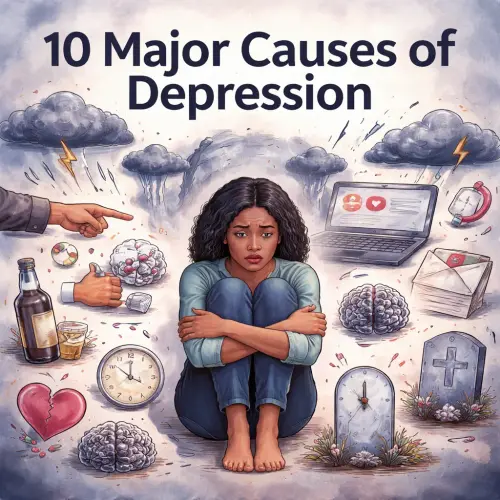
Depression is one of the most common mental health disorders worldwide, affecting more than 280 million people according to the World Health Organization. Yet, public understanding of its origins often remains simplistic. We hear “chemical imbalance” or “just a bad mood,” but the reality is far more layered. The major causes of depression can be grouped into biological, psychological, and social categories, and they often reinforce one another. Recognizing these root causes is the first step toward meaningful treatment and prevention. For a related guide, see Can Medical Conditions Cause Anxiety? Causes and Symptoms.
1. Genetic Predisposition and Family History
Research consistently shows that depression runs in families. If you have a first-degree relative — a parent or sibling — with major depressive disorder, your risk is two to three times higher than someone without that family history. Genetics influence the structure and function of brain regions that regulate mood, such as the prefrontal cortex and amygdala.
What the Research Says
Twin studies estimate the heritability of depression at 30 to 50 percent. That does not mean a “depression gene” guarantees the condition, but rather that inherited variations in serotonin transporter genes and brain-derived neurotrophic factor (BDNF) can increase vulnerability. Epigenetics — how your environment turns genes on or off — also plays a role, which is why two siblings with identical DNA can have very different mental health outcomes.
2. Brain Chemistry and Neurotransmitter Imbalance
The classic explanation for depression involves low levels of serotonin, norepinephrine, and dopamine. These neurotransmitters help regulate mood, sleep, appetite, and energy. While the “chemical imbalance” model is an oversimplification, modern neuroscience confirms that disruptions in neural circuits — especially the default mode network and the reward system — are central to depressive symptoms.
Advanced Imaging Insights
Functional MRI studies show that people with depression often have reduced activity in the prefrontal cortex (responsible for decision-making and emotional regulation) and an overactive amygdala (the brain’s fear center). This imbalance makes it harder to process negative emotions and easier to fall into rumination.
3. Chronic Stress and Hormonal Dysregulation
Prolonged exposure to stress — whether from work pressure, financial strain, or caregiving — triggers a cascade of hormones, primarily cortisol. When cortisol levels remain elevated for weeks or months, it damages the hippocampus, the brain region crucial for memory and mood. This is one of the major causes of depression that is both preventable and reversible with proper stress management. For a related guide, see What Causes Anxiety? Brain, Genetics and Common Triggers.
The HPA Axis Connection
The hypothalamic-pituitary-adrenal (HPA) axis is your body’s central stress response system. In chronic stress, the HPA axis becomes dysregulated, leading to inflammation and reduced neuroplasticity. This biochemical environment makes it easier for depressive episodes to take hold and harder to recover naturally.
4. Traumatic Life Events and Childhood Adversity
Experiencing or witnessing trauma — especially during formative years — dramatically increases depression risk. Childhood abuse, neglect, loss of a parent, or bullying can alter brain development and sensitize the stress response system for life. Adults who experience a sudden traumatic event, such as a car accident or assault, may also develop depression as part of post-traumatic stress disorder (PTSD).
The ACE Study Findings
The Adverse Childhood Experiences (ACE) study found that individuals with four or more ACEs are four times more likely to experience depression as adults. Early trauma doesn’t just “scar” someone psychologically; it physically changes brain architecture, making emotional regulation more difficult without targeted support.
5. Major Life Transitions and Loss
Even positive life changes — a new job, moving to a new city, getting married — can trigger depression if the associated stress overwhelms your coping resources. Bereavement, divorce, financial loss, and retirement are especially potent triggers. These events disrupt your sense of identity, routine, and social connection, which are fundamental to mental health.
Complicated Grief vs. Depression
Grief and depression share symptoms, but they differ in key ways. Grief tends to come in waves and gradually lessens over time, while depression is persistent and often includes feelings of worthlessness or suicidal thoughts. Understanding this distinction helps you choose the right kind of support — counseling for grief versus therapy and medication for depression.
6. Medical Conditions and Chronic Illness
Living with a chronic medical condition such as heart disease, diabetes, cancer, Parkinson’s disease, or chronic pain significantly raises the risk of depression. The relationship is bidirectional: depression worsens medical outcomes, and medical illness can trigger depressive episodes. Inflammation may be the biological link — many chronic conditions involve systemic inflammation, which is also found in major depressive disorder.
Medications That Can Trigger Depression
Certain prescription drugs — including beta-blockers, corticosteroids, statins, and some hormonal contraceptives — can cause depressive symptoms as a side effect. If you notice mood changes after starting a new medication, speak with your doctor before making any changes. Never discontinue medication abruptly.
7. Substance Use and Alcohol Dependency
Alcohol and drugs are depressants that directly interfere with brain chemistry. While many people use substances to “numb” emotional pain, alcohol, benzodiazepines, opioids, and cannabis can actually worsen depression over time. This creates a vicious cycle: you use substances to feel better, but they deepen the depressive state, leading to increased use.
Dual Diagnosis and Recovery
When substance use disorder and depression co-occur — which is very common — treatment must address both simultaneously. Isolating one condition without treating the other leads to high relapse rates. Integrated care from a provider trained in dual diagnosis offers the best chance of lasting recovery.
8. Social Isolation and Loneliness
Human beings are wired for connection. Chronic loneliness — whether due to geographic isolation, loss of a social network, or social anxiety — is one of the most powerful major causes of depression. The pandemic-era rise in loneliness correlated directly with increased depression rates worldwide.
Quality Over Quantity
It’s not about how many friends you have on social media. One or two high-quality relationships that allow you to be vulnerable and authentic provide far more protection against depression than a large but shallow social circle. If building connections feels hard, a therapist or a support group can be a safe starting point.
9. Poor Sleep and Circadian Rhythm Disruption
Sleep problems are both a symptom and a cause of depression. Insomnia, sleep apnea, or chronic short sleep disrupt the brain’s ability to regulate emotions and clear out metabolic waste (including beta-amyloid and tau proteins). The glymphatic system — which cleans the brain during deep sleep — is less active in people with depression, creating a biological trap.
Sleep Hygiene as Prevention
Consistent sleep and wake times, exposure to morning sunlight, reducing screen time before bed, and limiting caffeine after early afternoon are evidence-based ways to stabilize your circadian rhythm. For some individuals, cognitive behavioral therapy for insomnia (CBT-I) is as effective as antidepressant medication for relieving depressive symptoms.
10. Nutritional Deficiencies and Gut-Brain Influence
Your gut microbiome produces about 90 percent of your body’s serotonin. Poor diet — high in ultra-processed foods, low in fruits, vegetables, and omega-3 fatty acids — can starve beneficial gut bacteria and promote inflammation. Deficiencies in vitamin D, B12, folate, magnesium, and zinc are consistently linked to higher rates of depression.
The Mediterranean Diet Connection
Large-scale studies such as the SMILES trial have demonstrated that a Mediterranean-style diet — rich in leafy greens, fatty fish, nuts, seeds, and olive oil — can reduce depressive symptoms significantly, even in people with moderate to severe depression. Nutritional psychiatry is an emerging field that views food as a cornerstone of mental health care.
How to Identify Your Personal Risk Factors for Depression
No single cause explains everyone’s depression. The most effective approach is a personal inventory of your own risk profile. Consider completing a self-assessment that covers family mental health history, recent stressors, sleep quality, social support, physical health, and substance use. Share these insights with a healthcare provider, who can help you separate temporary sadness from clinical depression. For a related guide, see Anxiety Disorders: Symptoms, Causes, and Treatment Guide.
When to Seek Professional Help
The American Psychological Association recommends seeing a licensed mental health professional if depressive symptoms — low mood, loss of interest, changes in appetite or sleep, fatigue, hopelessness — last longer than two weeks and interfere with daily life. Early intervention significantly improves outcomes.
Coping Strategies That Address the Root Major Causes of Depression
Effective coping targets the underlying factors, not just the mood. Here are strategies grounded in current research:
- For genetic risk: Cognitive behavioral therapy (CBT) and mindfulness — these techniques literally reshape brain activity over time.
- For chronic stress: Biofeedback, meditation, yoga, and a structured daily routine lower cortisol and protect the hippocampus.
- For trauma: Eye movement desensitization and reprocessing (EMDR) and trauma-focused CBT are proven first-line therapies.
- For inflammation and nutrition: Adopt an anti-inflammatory diet, check vitamin levels, and consider a high-quality omega-3 supplement.
- For sleep: Prioritize sleep hygiene and consider CBT-I before relying on sleep medications long-term.
- For social isolation: Join a peer support group — the National Alliance on Mental Illness (NAMI) offers free, community-based programs.
Useful Resources
For a deeper dive into the science behind the major causes of depression, these two sources are reliable and regularly updated:
- National Institute of Mental Health – Depression Overview — comprehensive clinical information, treatment guidelines, and ongoing research updates.
- Mayo Clinic – Depression Symptoms and Causes — clear, patient-friendly explanations backed by one of the world’s top medical institutions.
Frequently Asked Questions About major causes of depression
Can depression be caused by one single event?
Rarely. Even a devastating event usually activates an underlying vulnerability — genetic, biological, or psychological. Most depression arises from the interaction of multiple factors.
Is depression purely genetic?
No. Genetics load the gun, but environment pulls the trigger. Heritability is significant but not deterministic — lifestyle, stress, and social support heavily influence whether inherited risk translates into illness.
How do doctors determine the cause of depression in one person?
Through a clinical interview, family history, review of medical conditions and medications, and sometimes blood tests to rule out thyroid disorders or vitamin deficiencies.
Can trauma cause depression years later?
Yes. Childhood trauma can alter brain development and sensitize the stress response, making a person more vulnerable to depression decades later, especially after a new stressor.
Do antidepressants fix the cause of depression?
Antidepressants treat symptoms by adjusting neurotransmitter levels, but they do not address root causes like chronic stress, trauma, or social isolation. Therapy and lifestyle changes are often needed alongside medication.
How does chronic stress cause depression?
Chronic stress elevates cortisol, which damages the hippocampus, reduces neuroplasticity, and promotes inflammation — all of which are direct biological pathways to depression.
Can diet really cause or prevent depression?
Yes. The gut-brain axis means that poor nutrition can worsen mood via inflammation and neurotransmitter disruption, while an anti-inflammatory diet like the Mediterranean diet can protect against depression.
Is depression caused by a chemical imbalance?
That is a simplified model. Current science points to complex dysregulation in neural circuits, neuroplasticity, inflammation, and the HPA axis — not just low serotonin.
Do men and women have different causes of depression ?
While the core causes overlap, women are more vulnerable to hormonal triggers (postpartum, perimenopause) and interpersonal stressors, while men are more likely to have depression linked to substance use and unrecognized emotional numbing.
Can depression be caused by medications?
Yes. Beta-blockers, corticosteroids, statins, and some hormonal contraceptives are known to trigger depressive symptoms in susceptible individuals.
Does lack of sunlight cause depression?
Seasonal affective disorder (SAD) is directly linked to reduced sunlight exposure, which disrupts circadian rhythms and vitamin D production. Light therapy is an effective, evidence-based treatment.
How does loneliness cause depression?
Social isolation activates the same brain regions as physical pain, raises cortisol, and reduces opportunities for positive reinforcement, creating a fertile ground for depression.
Is depression caused by laziness or a weak mindset?
Absolutely not. Depression is a medical illness with biological, genetic, and environmental underpinnings. Suggesting it is a character flaw is both inaccurate and harmful.
Can exercise treat the root cause of depression?
Exercise boosts BDNF (brain-derived neurotrophic factor), reduces inflammation, and regulates stress hormones — directly countering several biological causes of depression.
How does inflammation cause depression?
Inflammatory cytokines can cross the blood-brain barrier, alter neurotransmitter metabolism, and activate microglia — the brain’s immune cells — in ways that produce classic depressive symptoms like anhedonia and fatigue.
Can depression be caused by a thyroid problem?
Yes. Hypothyroidism (underactive thyroid) directly causes depressive symptoms. A simple blood test (TSH) can rule out this reversible cause.
Are the causes of depression different in teens vs. adults?
Teens are more sensitive to social rejection, bullying, academic pressure, and hormonal changes, while adults more often face chronic stress, medical illness, and major life transitions.
Can depression go away on its own without treatment?
Some mild episodes remit spontaneously, but untreated depression tends to become chronic and increase in severity over time. Professional treatment shortens episodes and prevents recurrence.
How does alcohol cause depression?
Alcohol is a central nervous system depressant. It disrupts serotonin and dopamine balance, interferes with sleep architecture, and often worsens life stressors, creating a negative spiral.
What is the first step to breaking the cycle of depression?
Acknowledge it as a real medical condition and reach out to a primary care provider or licensed therapist. A comprehensive evaluation identifies which of the major causes of depression apply to you and guides the most effective treatment plan.