
anxiety and depression are connected Key Takeaways
Anxiety and depression often appear together, and understanding how they feed into each other is the first step toward getting better.
- Research shows that anxiety and depression are connected through shared brain chemistry, genetics, and thought patterns.
- One condition can actually trigger or worsen the other, creating a difficult cycle to break.
- Recognizing the overlap helps you choose smarter coping strategies that address both issues at once.
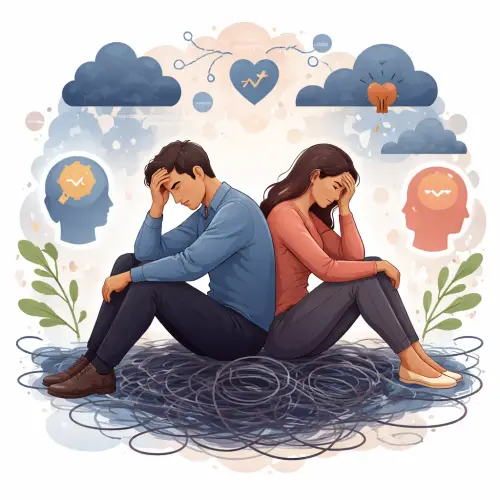
Understanding the Anxiety–Depression Overlap
If you’ve ever felt trapped between worrying about everything and feeling completely drained, you’re not alone. The anxiety and depression connection is one of the most studied topics in mental health, yet it’s still widely misunderstood. For a related guide, see Anxiety and Gut Health: What You Need to Know Today.
Anxiety keeps you on high alert, while depression pulls you down into a pit of low energy and hopelessness. Together, they create a push-pull that can make daily life feel impossible. But here’s the thing: when you understand how anxiety and depression are linked, you can target the root causes instead of just managing symptoms.
Below are 10 science-backed ways these two conditions feed into each other — plus practical tips to help you break free from the loop.
1. Shared Brain Chemistry: The Serotonin-Sleep Connection
Both anxiety and depression involve imbalances in the same brain chemicals — serotonin, dopamine, and norepinephrine. This is why many antidepressants also help with anxiety symptoms.
When your serotonin levels drop, you may feel more irritable and worried (anxiety) while also experiencing low mood and fatigue (depression). It’s like having one dimmer switch controlling both the lights and the thermostat.
What This Means for You
If you’ve tried treating only anxiety or only depression, you may have noticed that the other condition flares up. That’s because the chemical link means you often need to address both at the same time. Talking to a doctor about medications that target both — like SSRIs — can make a big difference.
2. The Rumination Trap: Overthinking Fuels Both
Rumination is when you replay a worry or a mistake over and over in your mind. It’s a hallmark of anxiety, but it also deepens depression by reinforcing feelings of guilt, worthlessness, and hopelessness.
People who struggle with anxiety and depression are connected by this pattern of repetitive negative thinking. The more you worry, the more exhausted you get — and the more exhausted you are, the harder it is to stop worrying.
How to Break the Cycle
Try a technique called “thought stopping.” When you catch yourself spiraling, say “stop” out loud or picture a red stop sign. Then redirect your attention to something neutral — like describing three things you can see in the room. This simple reset can slowly retrain your brain.
3. Avoidance Behavior: The Short-Term Fix That Backfires
When you’re anxious, you avoid situations that scare you. When you’re depressed, you avoid almost everything because you have no energy. Both types of avoidance make the problem worse over time.
Avoidance robs you of chances to learn that things might go okay (which reduces anxiety) and robs you of small wins that boost your mood (which helps depression). It’s a lose-lose.
Try the 5-Minute Rule
Pick one small thing you’ve been avoiding — sending an email, washing a few dishes, walking around the block — and commit to doing it for just five minutes. Often, starting is the hardest part. Once you begin, you may find the motivation to keep going.
4. Sleep Disruption: The Double-Edged Sword
Anxiety keeps you up at night with racing thoughts. Depression makes you sleep too much or too little. Both lead to poor sleep quality, which then worsens both conditions.
Sleep deprivation lowers your tolerance for stress (boosting anxiety) and reduces your ability to feel pleasure (worsening depression). It’s a vicious cycle that can make everything feel 10 times harder.
Build a Wind-Down Routine
Stop using screens an hour before bed. Instead, read a physical book, take a warm bath, or try a simple breathing exercise: inhale for 4 counts, hold for 4, exhale for 6. Consistent sleep habits are one of the most effective ways to manage both anxiety and depression.
5. Perfectionism and Low Self-Worth
Perfectionism is fueled by anxiety — the fear that you’re not good enough. But perfectionism also creates a constant sense of failure (because nothing is ever perfect), which feeds depression.
When ways anxiety and depression are linked through perfectionism, you end up stuck in a loop of high standards and harsh self-criticism. Neither condition allows you to feel satisfied with your efforts.
Practice “Good Enough”
Set a timer for a task and stop when it rings, even if the result isn’t perfect. Over time, you’ll learn that “good enough” is often more than enough — and that people rarely notice the tiny imperfections you obsess over.
6. Physical Symptoms That Fuel Each Other
Anxiety shows up as a racing heart, shallow breathing, and muscle tension. Depression shows up as achiness, fatigue, and changes in appetite. When you’re living with both, your body is under constant stress.
This physical strain can make you feel like something is medically wrong, which adds even more anxiety and deepens depression. It’s a physical feedback loop as much as an emotional one.
Movement Is Medicine
Exercise doesn’t have to be intense. A 10-minute walk, gentle yoga, or even stretching can lower cortisol (the stress hormone) and release endorphins. It’s one of the few things that helps both anxiety and depression at the same time.
7. Social Withdrawal Creates a Feedback Loop
Anxiety makes you avoid social situations because you’re afraid of being judged. Depression makes you withdraw because you feel like no one understands. Both lead to isolation, which is a major risk factor for worsening mental health.
The fewer people you see, the more your brain magnifies fears and negative thoughts. Before long, you’re caught in a loneliness trap that’s hard to escape.
Start with Low-Pressure Connection
Send a text to a friend, join an online support group, or sit in a coffee shop even if you don’t talk to anyone. Small doses of social contact can slowly rebuild your comfort zone.
8. Gut-Brain Axis: The Second Brain
Your gut produces about 95% of your body’s serotonin. When your gut health is poor (due to stress, poor diet, or medication), your mood and anxiety levels suffer. For a related guide, see Anxiety in Women: How Hormones Affect Mental Health.
Emerging research shows that the gut-brain connection is a powerful anxiety and depression connection. An inflamed gut can send stress signals to your brain, worsening both conditions.
Feed Your Gut Well
Eat more fiber-rich foods (fruits, vegetables, whole grains) and fermented foods (yogurt, kimchi, sauerkraut). A healthy gut microbiome can help regulate mood naturally.
9. Negative Filtering: Your Brain Plays Tricks
Anxiety makes you scan for threats. Depression makes you see everything through a gray filter. Together, they create a cognitive bias where you notice and remember only the worst moments of your day.
This negative filtering reinforces both conditions. You start to believe that the world really is as scary and hopeless as you feel, even when good things are happening around you.
Keep a Bright-Spot Journal
Each evening, write down three small good things that happened — even if it’s just “the coffee was good” or “I saw a funny cat video.” Over time, this trains your brain to look for positives again.
10. Chronic Stress Wears Down Your Resilience
Ongoing stress — from work, relationships, finances, or health — is a major trigger for both anxiety and depression. When your stress system stays switched on, your brain and body don’t get a chance to recover.
This chronic activation lowers your threshold for feeling overwhelmed. Small stresses that used to roll off your back now trigger full-blown anxiety attacks or depressive episodes.
Schedule Daily Decompression
Block off 10–15 minutes each day for an activity that truly relaxes you — no phone, no TV, no multitasking. It could be deep breathing, listening to calm music, or simply sitting in silence. This is not a luxury; it’s a necessity for breaking the stress cycle.
How to Start Healing the Connection
Knowing that anxiety and depression are connected is empowering because it means you can use strategies that help both at the same time. Here’s a quick recap of where to begin:
- Talk to a professional — Therapy (especially CBT) and medication can target the root of both conditions.
- Move your body daily — Even gentle movement helps balance brain chemistry.
- Prioritize sleep — Consistent sleep habits are foundational to mental health.
- Challenge negative thoughts — Journaling and mindfulness can retrain your brain.
- Connect with others — Even small social steps can break the isolation cycle.
You don’t have to fix everything overnight. Start with one small change, and build from there. The fact that you’re reading this already shows you’re ready to take the first step.
Useful Resources
To learn more about the anxiety depression overlap and evidence-based treatments, check out these trusted sources:
- National Institute of Mental Health — Depression
- Anxiety and Depression Association of America — Understanding Anxiety
Frequently Asked Questions About anxiety and depression are connected
Can anxiety cause depression ?
Yes, chronic anxiety can lead to depression. The constant stress and exhaustion from worrying can eventually drain your energy, leading to feelings of hopelessness and sadness.
Can depression cause anxiety ?
Absolutely. Depression often makes you feel helpless and isolated, which can trigger or worsen anxiety about the future, relationships, and everyday tasks.
What percentage of people with depression also have anxiety ?
Studies suggest that nearly 50% of people diagnosed with depression also meet the criteria for an anxiety disorder at some point in their lives.
Are anxiety and depression the same thing?
No, they are distinct conditions with different symptoms. Anxiety is characterized by excessive worry and fear, while depression involves persistent sadness, low energy, and loss of interest. But they often co-occur. For a related guide, see Anxiety vs Depression: Key Differences and Overlap Explained.
Is there a genetic link between anxiety and depression ?
Yes, research shows that both conditions share common genetic factors. If you have a family history of one, you may be more prone to developing the other.
How do I know if I have anxiety , depression , or both?
A mental health professional can give you an accurate diagnosis. Generally, if you experience persistent worry alongside low mood and loss of interest, you may be dealing with both.
What kind of therapy works best for both anxiety and depression ?
Cognitive Behavioral Therapy (CBT) is highly effective for both conditions. It helps you identify and change negative thought patterns that fuel both anxiety and depression.
Can medication help both anxiety and depression ?
Yes, certain antidepressants like SSRIs (e.g., fluoxetine, sertraline) are commonly used to treat both anxiety and depression by balancing brain chemistry.
Does exercise help anxiety and depression ?
Yes, regular physical activity releases endorphins and reduces stress hormones. Even moderate exercise like walking or yoga can significantly improve symptoms of both conditions.
Can diet affect anxiety and depression ?
Absolutely. A diet rich in whole foods, fiber, and healthy fats supports gut health and brain function, which can help regulate mood and reduce anxiety.
How does sleep affect the anxiety – depression cycle?
Poor sleep worsens both conditions by increasing stress sensitivity and reducing emotional resilience. Improving sleep habits is one of the most effective ways to break the cycle.
Is it possible to have anxiety without depression ?
Yes, many people experience anxiety without ever developing depression. However, untreated anxiety increases the risk of depression over time.
Is it possible to have depression without anxiety ?
Yes, depression can occur on its own. But it’s less common than the co-occurrence; many people with depression experience at least some anxiety symptoms.
Can children and teens have both anxiety and depression ?
Yes, children and teens can experience both conditions, often triggered by school pressure, social issues, or family stress. Early intervention is key.
What natural remedies help with both conditions?
Regular exercise, mindfulness meditation, a balanced diet, and adequate sleep are natural ways to manage both anxiety and depression. Always talk to your doctor before trying supplements.
Does caffeine make anxiety and depression worse?
For some people, caffeine can increase anxiety symptoms and disrupt sleep, which can worsen depression. Limiting caffeine, especially in the afternoon, can help.
Can alcohol worsen the anxiety – depression connection?
Yes, alcohol is a depressant that can amplify feelings of sadness and anxiety, especially after the effects wear off. It also interferes with sleep quality.
How long does it take to feel better with treatment?
Treatment timelines vary, but many people notice improvement within 4–8 weeks of starting therapy or medication. Consistent effort, even when progress feels slow, is important.
Should I see a therapist or a psychiatrist first?
If you’re unsure, start with a therapist who can assess your symptoms and refer you to a psychiatrist if medication is needed. Many people benefit from both therapy and medication.
Is it possible to fully recover from anxiety and depression ?
Yes, many people achieve full remission with the right combination of treatment, lifestyle changes, and support. Recovery looks different for everyone, but it is absolutely possible.