
stress damages gut health Key Takeaways
We all know stress feels awful, but what you might not realize is how quietly it wreaks havoc on your digestion.
- Chronic stress alters gut bacteria composition, leading to inflammation and poor nutrient absorption.
- The gut brain connection works both ways — a stressed mind creates an unhappy gut, and an unhappy gut makes stress harder to handle.
- Simple daily habits, like mindful eating and deep breathing, can reverse many of these hidden effects of stress on gut function.
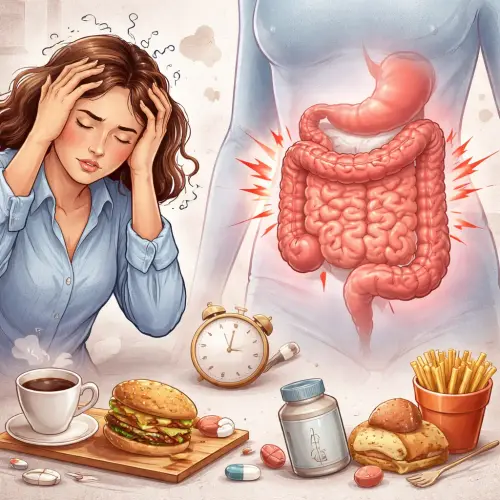
How the Gut Brain Connection Makes Stress a Gut Issue
Think of your gut as a second brain — it’s lined with millions of neurons that constantly chat with your central nervous system. When you’re under pressure, your brain sends distress signals straight to your digestive tract. This gut brain connection means your mood directly influences everything from enzyme release to intestinal motility. The result? Stress damages gut health in ways you might never suspect until symptoms show up.
10 Ways Stress Damages Your Gut Health Without You Noticing
Here are the ten secret saboteurs of digestion that stress unleashes, plus what you can do about each one.
1. It Slows Down Digestion — Causing Bloating and Discomfort
Stress triggers your body’s “fight or flight” mode, which diverts blood flow away from the digestive organs. This means food sits in your stomach longer, leading to bloating, gas, and that heavy feeling after meals. Tip: Take three slow, deep breaths before eating to signal your body it’s safe to digest. For a related guide, see Chamomile for Digestion: Gentle Gut and Nerve Support.
2. It Alters Your Gut Microbiome — The Hidden Bacterial Shift
Research shows cortisol imbalances can reduce the diversity of good bacteria in your gut. A less diverse microbiome means weaker immunity and more inflammation. This is a classic example of how stress damages gut health at the microscopic level. Tip: Eat one serving of fermented food (kimchi, yogurt, or sauerkraut) daily to support microbiome resilience. For a related guide, see Immune System: Daily Habits to Boost Health.
3. It Increases Intestinal Permeability — Welcome to Leaky Gut
Chronic stress loosens the tight junctions in your gut lining. When that happens, undigested food particles and toxins slip into your bloodstream, triggering immune responses. Many doctors now link this “leaky gut” to fatigue and joint pain. Tip: Add bone broth or L-glutamine-rich foods to your diet to help repair the gut lining.
4. It Triggers Acid Reflux and Heartburn
Stress increases stomach acid production and relaxes the valve that keeps acid down. The result? That burning sensation in your chest after a stressful day. This is one of the most common effects of stress on gut health that people dismiss as “just heartburn.” Tip: Chew your food thoroughly and avoid eating two hours before bedtime.
5. It Disrupts Your Gut’s Natural Rhythm
Your gut has its own internal clock, and stress throws it off. Irregular bowel movements — whether constipation or diarrhea — are a direct sign that stress damages digestion and its daily schedule. Tip: Stick to regular meal times and get morning sunlight to help reset your circadian rhythm.
6. It Reduces Nutrient Absorption — Even if You Eat Well
Under chronic stress, your intestines produce fewer digestive enzymes and nutrient transporters. This means you could be eating a perfect diet but still missing out on vitamins and minerals. Think of it as the hidden way stress damages gut health by stealing your fuel. Tip: Practice “stress-free eating” — sit down, put away your phone, and focus on your meal.
7. It Feeds Gut Inflammation — Fuel for Chronic Issues
Cortisol triggers inflammatory cytokines that directly irritate the gut lining. Over time, this inflammation can worsen conditions like IBS, Crohn’s disease, or ulcerative colitis. Understanding the gut brain connection helps explain why stressful periods often flare up these disorders. Tip: Include anti-inflammatory foods like turmeric, ginger, and fatty fish in your weekly meals.
8. It Changes How Your Gut Reacts to Food Sensitivities
Stress can unmask food intolerances you never knew you had. The immune cells in your gut become hypervigilant, reacting to foods that never bothered you before. That sudden bloating after eating gluten or dairy could be a sign that stress damages gut health by lowering your tolerance. Tip: Keep a food and mood diary for two weeks to spot patterns.
9. It Cuts Blood Flow to Your Gut — Starving Your Tissues
During stressful moments, your body prioritizes muscles and heart over digestion. The reduced blood flow weakens the intestinal lining and slows repair. Over months and years, this is a serious effect of stress on gut function that many ignore. Tip: Short walks or gentle stretching after meals can help redirect blood flow back to digestion.
10. It Creates a Vicious Cycle — Stress Causes Gut Issues, Gut Issues Cause More Stress
This is the sneakiest one of all. An unhappy gut sends distress signals back to the brain, making you feel more anxious. So the very thing causing your bloated stomach also makes you worry more — trapping you in a loop. Breaking the gut brain connection cycle starts with addressing both sides. Tip: Try a 10-minute mindfulness meditation each morning to calm both your mind and digestive system.
How to Improve Gut Health Naturally — Four Simple Steps
If you’re ready to reverse the damage and finally learn how to improve gut health naturally, start here. The key is consistency, not perfection.
Step 1: Prioritize Stress Management
Without addressing the root cause — stress — no probiotic or diet change will stick. Try breathwork, yoga, or simply scheduling quiet time each day. Remember, the gut brain connection thrives when calm.
Step 2: Eat for Your Microbiome
Focus on fiber-rich whole foods, prebiotic onions and garlic, and probiotic fermented foods. These help rebuild the diversity that stress damages gut health by destroying.
Step 3: Hydrate and Rest
Water and deep sleep are two of the most powerful tools for gut repair. Your gut restores itself overnight, and water keeps everything moving smoothly.
Step 4: Move Your Body (Gently)
Low-impact exercise like walking, swimming, or cycling reduces cortisol and improves gut motility. Even 20 minutes a day can make a difference.
Useful Resources
For further reading on the gut brain connection and science-backed strategies for improvement, check out these trusted sources:
Frequently Asked Questions About stress damages gut health
Can stress really cause gut problems?
Yes, absolutely. The gut brain connection means your emotional state directly impacts digestion, from bloating to inflammation.
How does stress affect gut bacteria?
Stress hormones reduce the diversity of beneficial bacteria, weakening immunity and increasing inflammation in the digestive tract.
What are the most common effects of stress on gut ?
The most common signs include bloating, irregular bowel movements, acid reflux, and heightened food sensitivities.
Does stress cause leaky gut?
Research suggests that chronic stress can increase intestinal permeability, often called leaky gut, by loosening tight junctions in the gut lining.
Can stress cause IBS?
Stress doesn’t directly cause IBS, but it is a major trigger for symptoms. The gut brain connection plays a crucial role in IBS flare-ups.
How long does it take for the gut to heal from stress?
With consistent stress management and dietary changes, many people notice improvements in 2–4 weeks; full healing can take several months.
What foods help repair gut health after stress?
Bone broth, fermented foods, ginger, turmeric, and leafy greens all support gut repair and reduce inflammation.
Is there a connection between anxiety and digestion?
Yes, the gut brain connection is bidirectional — anxiety can upset your stomach, and an unhappy gut can increase anxiety levels.
Does stress damage digestion permanently?
In most cases, damage is reversible with lifestyle changes. However, chronic unmanaged stress can contribute to long-term digestive disorders.
Can probiotics help with stress-related gut issues?
Probiotics can support a healthy microbiome, but they work best alongside stress reduction techniques and a balanced diet.
How do I know if stress is affecting my gut?
Look for patterns — if bloating, gas, or irregular bowel movements show up during stressful weeks, your gut is likely reacting to stress.
What is the gut brain connection ?
It’s the communication network between your central nervous system and your digestive system, involving nerves, hormones, and gut microbes.
Can deep breathing help my gut?
Yes, deep breathing activates the vagus nerve, which calms the digestive system and reduces stress signals to the gut.
Does lack of sleep affect gut health?
Absolutely. Poor sleep raises cortisol and disrupts gut bacteria, making it harder for your gut to repair itself overnight.
How to improve gut health naturally after chronic stress?
Focus on stress reduction, a whole-food diet rich in fiber and fermented foods, quality sleep, and gentle daily movement.
Can exercise reduce stress-related gut issues?
Moderate exercise lowers cortisol and improves gut motility, making it a powerful tool for both stress gut health and digestion.
Is coffee bad for a stressed gut?
For some people, coffee overstimulates an already stressed gut. Try cutting back or switching to low-acid options if you notice irritation.
Does stress cause bloating every day?
Chronic stress can cause daily bloating by slowing digestion and altering gut bacteria. Reducing stress often relieves persistent bloating.
Can children experience stress gut damage?
Yes, children’s guts are very sensitive to stress. Stomachaches, constipation, or nausea often signal that stress damages gut health in young ones too.
What’s the first step to healing my gut?
Start by lowering your stress load — even five minutes of deep breathing or a short walk can begin to restore balance to your digestive system.