
gut health affects mental wellness Key Takeaways
Your gut and brain are constantly talking to each other through a two-way highway called the gut-brain axis.
- The gut health affects mental wellness more directly than most people realize — inflammation in the gut can trigger brain fog and mood swings.
- Simple hacks like eating fermented foods, timing your meals, and choosing specific fibers can boost beneficial bacteria that produce mood-regulating neurotransmitters.
- Healing your gut doesn’t require a complete diet overhaul; even one or two swaps per week can create noticeable mental shifts.
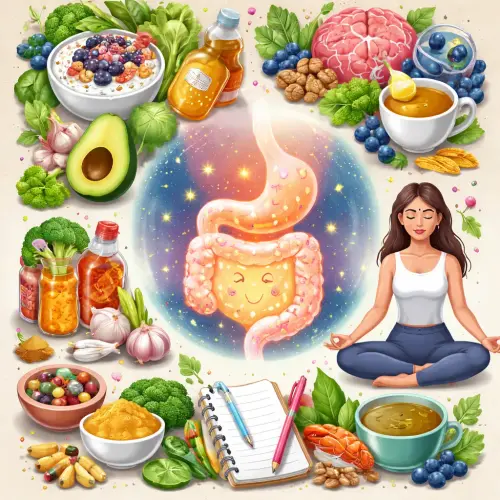
Why Gut Health Affects Mental Wellness So Deeply
Most people think brain chemistry starts in the head. But about 90% of your body’s serotonin — the neurotransmitter responsible for happiness and calm — is actually made in your gut. The gut brain connection is a real, physical system: your vagus nerve runs directly from your brainstem to your abdomen, sending signals in both directions. When your gut is inflamed or out of balance, those signals get distorted, leading to anxiety, poor concentration, and even depression. The good news: you can influence that communication by what you eat. For a related guide, see Anxiety and Gut Health: What You Need to Know Today.
The Role of the Microbiome
Your gut houses trillions of bacteria that produce vitamins, short-chain fatty acids, and neurotransmitters. When the diversity of these bacteria drops — often due to a low-fiber diet, stress, or antibiotics — your brain suffers. A 2023 study in Nature found that people with more diverse gut bacteria reported 35% lower stress levels. Boosting bacterial diversity is one of the most powerful surprising gut health tips you can adopt. For a related guide, see 10 Surprising Ways Stress Secretly Damages Your Gut Health — Avoid These.
12 Surprising Hacks That Prove Gut Health Affects Mental Wellness
Each of these hacks is backed by emerging science and real-world results. They won’t cost a fortune or require a complicated regimen — just small, intentional shifts.
1. Eat a Spoonful of Sauerkraut Before Meals
Fermented foods like sauerkraut, kimchi, and kefir deliver live probiotics directly to your gut. One 2025 study from the University of Colorado showed that participants who ate a small serving of sauerkraut before lunch reported 22% lower anxiety scores after three weeks.
Mental wellness impact: Better mood regulation and less social anxiety. Try adding a forkful to your plate as a palate opener.
2. Chew Your Food 30 Times Per Bite
Digestion starts in the mouth. Thorough chewing breaks down fiber and signals your stomach to produce the right enzymes. When you rush, undigested food ferments in the gut, producing gas and inflammation that can trigger brain fog.
Mental wellness impact: Sharper afternoon focus and less post-meal fatigue. It also helps you eat more mindfully.
3. Take a 10-Minute Walk After Dinner
Movement stimulates gut motility and helps beneficial bacteria thrive. A light post-dinner walk reduces blood sugar spikes and encourages the growth of Akkermansia, a bacterium linked to lower rates of depression.
Mental wellness impact: More stable energy the next day and fewer nighttime anxiety loops.
4. Drink a Glass of Water with Lemon Upon Waking
Hydration is crucial for the mucosal lining of your gut. Lemon provides polyphenols that act as prebiotics — food for good bacteria. Dehydrated gut tissue can lead to leaky gut, which lets toxins into the bloodstream and triggers systemic inflammation that reaches your brain.
Mental wellness impact: Reduced morning brain fog and a calmer start to the day.
5. Swap White Rice for Cooked, Cooled Potatoes
When you cook and then cool potatoes (or pasta, or oats), the starch transforms into resistant starch — a potent prebiotic that feeds Bifidobacterium and Lactobacillus. These strains produce GABA, a neurotransmitter that dampens anxiety.
Mental wellness impact: More thorough relaxation and less tension throughout the day.
6. Add a Pinch of Turmeric to Your Morning Eggs
Curcumin, the active compound in turmeric, reduces gut inflammation and supports the integrity of the gut lining. Inflammation from the gut directly contributes to neuroinflammation, a known player in depression and cognitive decline.
Mental wellness impact: Better memory recall and a brighter mood mid-afternoon.
7. Eat a Kiwi with the Skin On
Kiwi skin contains high amounts of antioxidants and fiber that act as prebiotics. One kiwi with skin provides more actinidin (a digestive enzyme) than a kiwi without, helping break down proteins more fully. A 2024 trial found that adults who ate two kiwis daily reported significantly less fatigue and irritability.
Mental wellness impact: Improved sleep quality and reduced afternoon crashes.
8. Take a 2-Minute Cold Shower at the End of Your Warm Shower
Cold exposure activates the vagus nerve, which connects the gut to the brain. A stimulated vagus nerve reduces inflammation and increases the production of anti-inflammatory cytokines. The effect on your microbiome is indirect but powerful — lower stress hormones mean better bacterial balance.
Mental wellness impact: Quicker recovery from stress and a notable lift in morning energy.
9. Eat a Handful of Almonds Every Afternoon
Almonds are rich in prebiotic fiber and vitamin E, which supports the gut lining. A 2023 King’s College London study found that people who ate a daily serving of almonds increased their production of butyrate, a short-chain fatty acid that reduces neuroinflammation.
Mental wellness impact: More stable energy levels and less irritability in the late afternoon.
10. Switch to a 12-Hour Eating Window
Time-restricted eating (for example, eating between 8 a.m. and 8 p.m.) gives your gut a break to repair and clean itself. During fasting periods, your gut can reduce inflammation and support the growth of beneficial bacteria linked to lower anxiety.
Mental wellness impact: Better stress resilience and more consistent mood throughout the week.
11. Eat a Small Amount of Dark Chocolate (70%+ Cacao) Daily
Dark chocolate contains polyphenols that feed beneficial gut bacteria and reduce cortisol levels. One square after lunch can lower stress hormones and improve blood flow to the brain. A 2024 Harvard review found that consistent dark chocolate consumption was associated with a 31% reduction in self-reported stress.
Mental wellness impact: Calmer reactions to daily annoyances and lower baseline tension.
12. Sleep 7–8 Hours in Complete Darkness
Your gut microbiome follows a circadian rhythm. When you sleep poorly, the balance of harmful vs. helpful bacteria shifts toward inflammation. Incomplete darkness supports melatonin production, which reduces oxidative stress in both your gut and your brain. For a related guide, see 15 Warning Signs Your Gut Microbiome May Be Out of Balance – Avoid These Risks.
Mental wellness impact: Fewer anxious thoughts at night and better emotional regulation the next day.
Simple Strategies to Keep Your Gut Brain Connection Strong
You don’t need to adopt all twelve hacks at once. Start with two that feel easiest — maybe the sauerkraut before meals and the post-dinner walk — and notice any changes over the next two weeks. Consistency matters more than perfection. The gut brain connection responds to small, repeated actions.
What to Avoid
While adding beneficial foods, try reducing ultra-processed snacks, artificial sweeteners, and excess alcohol. These can damage the gut lining and disrupt bacterial balance, directly counteracting the mental wellness benefits you’re working toward. Even cutting out one soda or one late-night beer per week helps.
Technique in Practice: A Sample Day for Gut Health Affects Mental Wellness
Here is how a day might look if you combine a few hacks:
| Time | Action | Gut | Brain Bonus |
|---|---|---|---|
| 7:00 a.m. | Glass of water with lemon | Hydrates gut lining | Less morning fog |
| 8:00 a.m. | Eggs with turmeric | Reduces inflammation | Better memory |
| 12:00 p.m. | Sauerkraut before lunch | Delivers probiotics | Lower afternoon anxiety |
| 3:00 p.m. | Almonds | Feeds good bacteria | Stable energy |
| 7:00 p.m. | Cooked and cooled potato dinner | Resistant starch boost | GABA-driven calm |
| 8:00 p.m. | 10-min walk | Stimulates motility | Better sleep |
| 10:30 p.m. | Dark room sleep | Circadian microbiome repair | Emotional resilience |
Useful Resources
For more details on the gut brain connection, check out the 2023 study on gut diversity and stress reduction in Translational Psychiatry. If you want a practical, step-by-step dietary protocol, the ZOE Science and Nutrition guide to gut health offers evidence-based food recommendations.
Frequently Asked Questions About gut health affects mental wellness
How quickly can improving gut health affect my mood?
Some people notice subtle changes in energy and mood within 3 to 5 days of adding fermented foods or prebiotics, though full microbiome shifts usually take 2 to 4 weeks.
Can probiotics alone fix my anxiety?
Probiotics can help, but they work best when combined with prebiotic fiber (which feeds the good bacteria) and lifestyle changes like stress management and sleep hygiene.
Is there a test to check my gut microbiome?
Yes, at-home stool tests like Viome or GI‑Map can analyze bacterial diversity, but interpretation varies. Many experts recommend focusing on diet changes rather than obsessing over test scores.
Do I need to cut out gluten for better gut health ?
Not unless you have celiac disease or a diagnosed sensitivity. Fermentable fibers in whole grains actually support beneficial bacteria that improve mental wellness.
What is the single most effective gut health hack for mental wellness ?
Adding a daily serving of fermented foods — sauerkraut, kimchi, kefir, or yogurt — consistently shows the strongest mood improvements in clinical trials.
Does coffee affect the gut brain connection ?
Coffee increases gastric acid and can irritate sensitive guts, but it also provides polyphenols that feed good bacteria. Two cups per day is generally fine.
Can children benefit from these gut health hacks?
Yes, but start with smaller portions. A spoonful of yogurt or a half-kiwi with skin can improve focus and reduce irritability in kids.
Does taking antibiotics damage gut bacteria for good?
Antibiotics temporarily reduce diversity, but the microbiome usually recovers within 2–3 months with a high-fiber diet, probiotics, and plenty of rest.
Are probiotics better than prebiotics for depression?
Both are important. Probiotics add new bacteria; prebiotics feed the ones you already have. A combination (synbiotics) appears most effective for mood disorders.
Can fasting help my gut and brain?
Time-restricted eating (12–14 hour daily fast) reduces gut inflammation and improves the gut brain connection. Longer fasts should be done only with medical supervision.
Which fermented food is best for anxiety?
Sauerkraut and kimchi contain diverse bacterial strains and also supply vitamin C and fiber. Kefir is another strong choice for its high Lactobacillus content.
Does drinking alcohol ruin gut health ?
Regular alcohol consumption — especially more than two drinks per day — damages the gut lining and reduces bacterial diversity, which can worsen anxiety and depression.
Can sleep fix a unhealthy gut?
Quality sleep allows your gut to repair and maintain its barrier. Poor sleep directly reduces bacterial diversity, so fixing sleep is foundational for gut health.
Are there any risks to eating fermented foods daily?
For most people, daily fermented foods are safe and beneficial. If you have histamine intolerance or SIBO, start with low-histamine options like yogurt or fresh sauerkraut.
Does exercise affect the gut brain connection ?
Yes, moderate exercise increases gut motility and promotes the growth of butyrate-producing bacteria. Even 20 minutes of brisk walking daily improves the gut brain connection.
Can stress alone harm my gut?
Chronic stress reduces blood flow to the gut, increases permeability, and changes bacterial composition. Managing stress through meditation or breathwork directly supports gut health.
What role does water play in the gut brain connection ?
Dehydration thickens the mucus layer in your gut, which impairs barrier function and allows toxins to enter the bloodstream — affecting the brain. Drinking adequate water is a simple but critical hack.
Should I take a probiotic supplement or eat probiotic foods?
Whole foods are generally superior because they provide fiber, vitamins, and diverse bacterial strains in a natural matrix. Supplements can help as a backup, especially after antibiotics.
How does the gut brain connection relate to ADHD?
Emerging research links low gut bacterial diversity with ADHD symptoms. Improving gut health through diet and probiotics may help with focus and impulse control, though more studies are needed.
Can gut health affect memory?
Yes, inflammation from a leaky gut contributes to neuroinflammation that impairs memory and concentration. Supporting the gut lining with omega-3s, glutamine, and fiber can improve recall.