
skin problems linked to poor gut health Key Takeaways
Your digestive tract is home to trillions of bacteria that influence inflammation, nutrient absorption, and toxin elimination—all of which directly impact your skin’s appearance and health.
- Skin problems linked to poor gut health include acne, rosacea, and eczema, often driven by systemic inflammation.
- Leaky gut syndrome allows inflammatory particles to enter the bloodstream, aggravating skin issues like psoriasis and hives.
- Improving your gut microbiome through diet, probiotics, and lifestyle changes can significantly improve many chronic skin conditions.
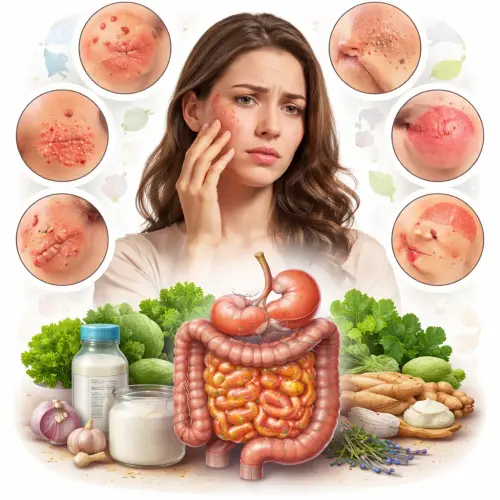
What Everyone Should Know About Skin Problems Linked to Poor Gut Health
The connection between your digestive system and your skin—often called the gut-skin axis—is one of the most exciting areas of modern dermatology. Scientists now understand that a healthy gut microbiome helps regulate inflammation, supports immune function, and assists in the proper absorption of skin-friendly nutrients like zinc, vitamin A, and omega-3 fatty acids.
When the gut is compromised due to poor diet, chronic stress, antibiotics, or infections, it can trigger a cascade of inflammatory responses that manifest as poor gut health skin issues. The list of gut health skin problems is extensive, but we have distilled it down to the 11 most common conditions you should be aware of. For a related guide, see Weak Immunity: Signs You Shouldn’t Ignore.
1. Acne Vulgaris
Acne is the most well-known skin condition linked to gut health. An imbalance in gut bacteria can increase systemic inflammation and alter how the body processes hormones, particularly androgens. This leads to excess sebum production and clogged pores. Skin problems linked to poor gut health like acne often show up on the chin and jawline in adults.
Possible remedy: Probiotic-rich foods such as kefir, sauerkraut, and yogurt can help rebalance gut flora. A low-glycemic diet may also reduce acne flare-ups by stabilizing blood sugar and reducing inflammation. For a related guide, see 20 Gut-Friendly Breakfast Ideas for a Healthier Digestive System.
2. Rosacea
Rosacea is characterized by facial redness, flushing, and visible blood vessels. Research suggests that small intestinal bacterial overgrowth (SIBO) is significantly more common in people with rosacea. The bacteria produce inflammatory compounds that dilate blood vessels in the face.
Possible remedy: Eliminating trigger foods (spicy foods, alcohol, histamine-rich items) and addressing SIBO with the help of a gastroenterologist can lead to dramatic improvements in rosacea symptoms.
3. Eczema (Atopic Dermatitis)
This chronic, itchy inflammatory skin condition is strongly linked to gut health, especially in children. A lack of diversity in the gut microbiome during infancy is associated with a higher risk of developing eczema. The gut-skin axis explains how intestinal inflammation can trigger immune responses that flare up on the skin.
Possible remedy: Introducing probiotics like Lactobacillus rhamnosus early in life may reduce eczema risk. For adults, a diet rich in fiber and fermented foods can strengthen the skin barrier from within.
4. Psoriasis
Psoriasis is an autoimmune condition where skin cells multiply too quickly, forming thick, silvery scales. Studies have shown that people with psoriasis often have altered gut microbiomes and increased intestinal permeability (leaky gut). This allows bacterial fragments to enter the bloodstream and trigger immune attacks on the skin.
Possible remedy: An anti-inflammatory diet that excludes processed foods and emphasizes omega-3-rich fish, leafy greens, and turmeric may help. Gluten elimination has also benefited some psoriasis patients with underlying sensitivities.
5. Chronic Hives (Urticaria)
Persistent hives that last longer than six weeks can be frustrating to diagnose. Emerging evidence links chronic urticaria to gut dysbiosis and increased intestinal permeability. When the gut lining is compromised, food particles and bacterial metabolites can trigger histamine release and widespread itching.
Possible remedy: A low-histamine diet combined with DAO enzyme supplements may help. Working with an allergist to identify food sensitivities and healing the gut with L-glutamine and zinc can reduce hive outbreaks.
6. Hidradenitis Suppurativa (HS)
This painful condition causes deep, boil-like lumps under the skin, typically in areas where skin rubs together. Recent research has highlighted a strong connection between HS and inflammatory bowel diseases like Crohn’s disease. The shared inflammatory pathways mean that gut health directly influences HS severity.
Possible remedy: Avoiding dairy and high-glycemic foods can reduce flare-ups. Some patients benefit from zinc supplementation and probiotics specifically targeted at reducing systemic inflammation.
7. Keratosis Pilaris
Often described as “chicken skin,” keratosis pilaris appears as small, rough bumps on the backs of arms and thighs. While genetics play a role, poor digestion and nutrient malabsorption—particularly of vitamin A and essential fatty acids—can make this condition worse. When the gut cannot absorb skin-supporting nutrients, keratin builds up in hair follicles.
Possible remedy: Improving digestion with digestive enzymes and ensuring adequate intake of omega-3s (from wild salmon or flaxseeds) can smooth out bumpy skin over time. Cod liver oil is a traditional remedy rich in vitamin A.
8. Dandruff and Seborrheic Dermatitis
This flaky, itchy scalp condition is caused by an overgrowth of Malassezia yeast, but gut health influences how the immune system reacts to it. An imbalanced gut microbiome can impair immune regulation, allowing yeast to overgrow and trigger inflammation on the scalp.
Possible remedy: A diet low in sugar and refined carbohydrates can reduce yeast overgrowth throughout the body. Probiotics containing Saccharomyces boulardii may help keep fungal populations in check.
9. Acne Mechanica and Folliculitis
While friction and sweat often trigger these conditions, a compromised gut can make the skin more susceptible to bacterial infections. When gut-derived inflammation weakens the skin’s immune defenses, Staphylococcus bacteria can more easily infect hair follicles, causing red, pus-filled bumps.
Possible remedy: Strengthening the gut barrier with bone broth and collagen peptides can improve skin immunity. Avoiding processed vegetable oils that promote inflammation is also beneficial.
10. Premature Skin Aging (Wrinkles and Dullness)
Your gut microbiome influences how your body handles oxidative stress. An unhealthy gut can lead to chronic low-grade inflammation that breaks down collagen and elastin fibers, accelerating wrinkle formation and causing a dull complexion.
Possible remedy: Consuming polyphenol-rich foods (berries, green tea, dark chocolate) feeds beneficial gut bacteria and protects skin from oxidative damage. Collagen peptides supplemented alongside vitamin C can also support skin structure from the inside out.
11. Perioral Dermatitis
This condition causes red, bumpy rashes around the mouth and nose. It is often triggered by topical steroid use, but gut health plays a supporting role. An overgrowth of certain gut bacteria or yeast can create an inflammatory environment that makes the skin hypersensitive.
Possible remedy: Eliminating fluoride toothpaste and sodium lauryl sulfate from skincare may help. A gut-healing protocol that includes a low-oxalate diet has been reported to improve perioral dermatitis in some cases.
How to Heal Skin Problems Linked to Poor Gut Health
Addressing the root cause of poor gut health skin issues requires a comprehensive approach. Start by removing inflammatory foods (processed sugar, industrial seed oils, and food sensitivities), then replace them with gut-healing nutrients like collagen, glutamine, and zinc. Reintroducing beneficial bacteria through fermented foods and a high-quality probiotic is the next step.
Repairing the gut lining takes time—typically 3 to 6 months—so be patient. Many people see skin improvements within the first few weeks of dietary changes, but deeper issues like psoriasis or hidradenitis suppurativa may require longer gut restoration.
If your skin condition is severe, consult a functional medicine practitioner who can run stool tests to identify specific bacterial imbalances or infections. Research published in Microorganisms found that people who follow a gut-healing protocol often see a 50-70% reduction in inflammatory skin lesions within six months.
Remember that everyone’s microbiome is unique—what works for one person may not work for another. Tracking your symptoms alongside dietary changes can help you identify your personal triggers.
Useful Resources
For a deeper understanding of the gut-skin connection, explore these credible sources:
- Harvard Health Publishing: The Gut-Skin Connection — Overview of how gut bacteria influence skin inflammation and practical advice for improvement.
- American Academy of Dermatology: Gut Health and Your Skin — Expert dermatologist perspective on diet and skin conditions.
Frequently Asked Questions About skin problems linked to poor gut health
Can poor gut health cause acne?
Yes. An imbalance in gut bacteria increases systemic inflammation and alters hormone processing, both of which contribute to acne formation. Many people find that improving gut health significantly reduces breakouts.
How long does it take for skin to improve after healing the gut?
Mild improvements can appear within 2 to 4 weeks of dietary changes, but full resolution of chronic skin problems linked to poor gut health typically takes 3 to 6 months of consistent gut restoration.
What is the best probiotic for skin health?
Strains like Lactobacillus rhamnosus, Bifidobacterium longum, and Lactobacillus paracasei have the strongest research backing for skin improvements. A multi-strain probiotic is generally recommended over single strains.
Does leaky gut cause skin problems?
Leaky gut (increased intestinal permeability) allows undigested food particles, toxins, and bacteria to enter the bloodstream, triggering immune responses that can manifest as skin issues like eczema, psoriasis, and hives.
Can stress cause both gut and skin issues?
Absolutely. Chronic stress disrupts the gut microbiome through cortisol release and also increases skin inflammation. This is why stress management is a key component of healing both gut health skin problems.
Is there a diet that helps both gut and skin health?
The Mediterranean diet is excellent for both. It emphasizes fiber-rich vegetables, fruits, olive oil, fish, and fermented foods while limiting processed sugar and unhealthy fats. This combination supports a diverse microbiome and reduces skin inflammation.
Can antibiotics cause skin problems through gut disruption?
Yes. Antibiotics kill both harmful and beneficial gut bacteria. This dysbiosis can trigger acne, yeast infections, or exacerbate existing conditions like eczema. Always follow antibiotic courses with probiotic therapy.
What is the gut-skin axis?
The gut-skin axis refers to the biochemical communication pathways between the digestive system and the skin. It involves immune signals, hormone regulation, and microbial metabolites that travel through the bloodstream.
Does sugar cause both gut dysbiosis and skin aging?
Yes. Sugar feeds harmful gut bacteria and causes glycation in the skin—a process where sugar molecules damage collagen and elastin, leading to premature wrinkles. Reducing sugar benefits both gut and skin simultaneously.
Can probiotics help with eczema?
Research shows that specific probiotic strains can reduce eczema severity, particularly when taken during pregnancy or early infancy. For adults, probiotics help by reducing systemic inflammation and strengthening the gut barrier.
Are skin problems linked to SIBO?
Small intestinal bacterial overgrowth (SIBO) is strongly linked to rosacea and, to a lesser extent, acne and psoriasis. Treating SIBO often leads to significant improvement in these skin conditions.
What are the first signs of poor gut health on the skin?
Early signs include unexplained breakouts, dull complexion, puffiness under the eyes, and a tendency to develop rashes or hives. These are often among the first gut health skin problems people notice.
Can fasting improve skin conditions related to gut health?
Intermittent fasting may help by giving the gut time to repair its lining and by reducing inflammatory markers. Some people see improvements in acne and psoriasis with time-restricted eating, but it is not suitable for everyone.
Do fermented foods help with skin issues?
Yes. Foods like kimchi, yogurt, kefir, and miso introduce beneficial bacteria that crowd out pathogenic microbes, reduce gut inflammation, and improve the absorption of skin-supporting nutrients. Aim for one serving daily.
Is there a connection between constipation and skin problems?
Chronic constipation allows toxins to be reabsorbed into the bloodstream, which can overwhelm the liver and trigger inflammatory skin conditions. Regular bowel movements are essential for clear skin.
Can gluten cause both gut issues and skin rashes?
In people with celiac disease or non-celiac gluten sensitivity, gluten can trigger intestinal inflammation that manifests as dermatitis herpetiformis—an intensely itchy, blistering rash. Eliminating gluten can resolve both gut and skin symptoms.
How do I know if my skin problem is caused by gut issues?
Look for accompanying digestive symptoms like bloating, gas, irregular bowel movements, or food intolerances. If your skin condition worsens after eating certain foods, the gut-skin connection is likely involved.
Can drinking more water improve gut health and skin?
Adequate hydration supports the mucosal lining of the gut and helps flush toxins from the body. While water alone cannot heal dysbiosis, it is a foundational habit that supports both digestive health and skin hydration.
Are there tests for gut health that relate to skin issues?
Yes. Comprehensive stool analysis can measure bacterial diversity, yeast overgrowth, inflammation markers, and digestion efficiency. SIBO breath testing and food sensitivity panels are also helpful for identifying root causes of poor gut health skin issues.
Can children outgrow skin problems linked to gut health?
Some children outgrow eczema and mild acne as their gut microbiome matures. However, early intervention with probiotics and dietary adjustments can reduce severity and shorten the duration of symptoms.