
sustainable fashion trends Key Takeaways
The fashion industry is one of the largest polluters globally, responsible for nearly 10% of carbon emissions.
- Thrifting and vintage shopping remain the most direct way to embrace sustainable fashion trends while saving money.
- Innovative fabrics like Tencel, hemp, and organic cotton are replacing conventional materials with lower environmental footprints.
- Rental and resale platforms are making it easier to rotate your closet without buying new.
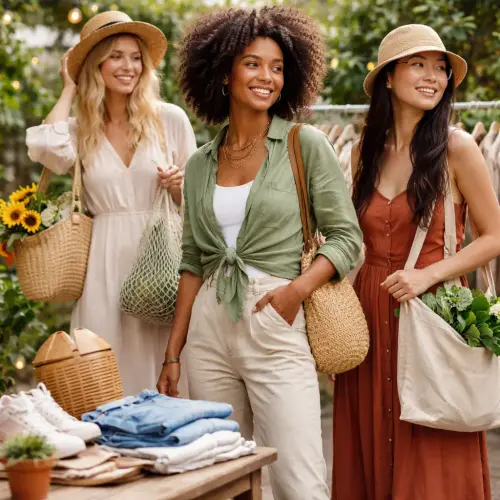
Why Sustainable Fashion Trends Matter Now
The fashion industry is one of the largest polluters globally, responsible for nearly 10% of carbon emissions. Choosing sustainable fashion trends helps cut down on textile waste, water pollution, and unethical labor practices. As consumers become more aware, brands are shifting toward circular models that prioritize longevity over disposability.
The Shift Toward Conscious Consumption
Fast fashion’s rapid turnover has conditioned us to treat clothing as disposable. By adopting eco-friendly clothing trends, you actively resist that cycle. Whether it’s mending a tear or swapping outfits with friends, every small change adds up. The goal isn’t perfection — it’s progress.
15 Sustainable Fashion Trends to Incorporate Today
1. Thrift Shopping and Vintage Finds
Buying secondhand is the ultimate form of recycling. Thrift stores, estate sales, and online vintage shops like Depop and Vinted offer unique pieces without the carbon footprint of new production. Look for classic silhouettes that won’t date quickly.
2. Clothing Rental Services
Platforms such as Rent the Runway and HURR Collective let you rent designer outfits for events or everyday wear. This model extends the lifecycle of garments and reduces the demand for new manufacturing.
3. Capsule Wardrobes
A capsule wardrobe consists of 30–40 versatile pieces that mix and match easily. By investing in quality basics — like a white organic cotton shirt or a wool blazer — you eliminate decision fatigue and reduce overconsumption.
4. Upcycling and DIY Refashioning
Turn an old pair of jeans into shorts, or add embroidery to a plain jacket. Upcycling breathes new life into clothes you already own, keeping them out of landfills. Tutorials on YouTube and Pinterest make it easy to start.
5. Organic and Regenerative Cotton
Conventional cotton uses massive amounts of pesticides and water. Organic cotton, grown without synthetic chemicals, is a healthier alternative. Regenerative cotton farming goes further by restoring soil health and sequestering carbon.
6. Hemp and Linen Fabrics
Hemp grows quickly with minimal water and no pesticides, making it one of the most sustainable fibers. Linen, made from flax, is similarly low-impact. Both are breathable, durable, and get softer with wear.
7. Tencel (Lyocell) and Modal
Produced from sustainably harvested wood pulp using a closed-loop process, Tencel is biodegradable and requires less water than cotton. It’s silky, comfortable, and increasingly used in dresses, activewear, and bedding.
8. Deadstock and Recycled Fabrics
Deadstock fabric is leftover material from other brands that would otherwise be wasted. Recycled polyester made from plastic bottles or fishing nets reduces reliance on virgin petroleum. Many ethical fashion tips recommend checking labels for recycled content.
9. Slow Fashion Brands
Brands like Patagonia, Eileen Fisher, and Reformation prioritize fair wages, low-impact materials, and repair services. Supporting these companies sends a message that quality and ethics matter more than constant newness.
10. Mending and Visible Repair
Visible mending — darning, patching, sashiko stitching — turns repairs into decorative features. This trend celebrates the story of your clothes and extends their life. Learn basic stitching skills to fix tears and holes.
11. Swapping and Clothing Swaps
Organize clothing swaps with friends or attend community swap events. It’s a zero-cost way to refresh your wardrobe while reducing waste. Apps like Swap Society facilitate virtual swaps as well.
12. Vegan Leather Alternatives (Plant-Based)
Traditional leather has a heavy environmental toll. New alternatives made from pineapple leaves (Piñatex), apple peels, or mushroom mycelium are cruelty-free and biodegradable. Look for labels that specify plant-based leather.
13. Minimalist Footwear
Shoes made from recycled rubber, organic cotton, or natural cork are gaining traction. Brands like Allbirds and Veja combine ethical production with minimalist design. Choose versatile styles that work with multiple outfits.
14. Rental Formalwear
Special occasion outfits are worn only once or twice. Renting gowns, suits, and accessories reduces the demand for single-event garments. Many rental services offer dry cleaning and returns made simple.
15. Digital Wardrobe Apps
Apps like Stylebook and Cladwell help you catalog your wardrobe, plan outfits, and track wear frequency. This visibility prevents impulse buys and encourages you to love what you already own.
How to Choose Eco-Friendly Clothing Trends That Fit Your Lifestyle
Not every trend works for everyone. Start by assessing your current habits: Do you buy new items monthly? Do you wear everything you own? Use these criteria to select trends that align with your values and daily needs.
Check Material Labels
Look for certifications like GOTS (Global Organic Textile Standard), OEKO-TEX, or Fair Trade. These labels ensure that fibers are grown without harmful chemicals and workers are treated fairly.
Prioritize Versatility
Before buying, ask: “Can I wear this with at least three existing pieces?” Versatile items maximize your wardrobe’s potential and minimize waste.
Invest in Repairability
Choose garments with sturdy stitching, natural fibers, and replaceable parts (like buttons). These details make mending easier and extend the item’s life.
| Trend | Eco Impact | Cost Range | Best For |
|---|---|---|---|
| Thrifting | Lower waste | Low to moderate | Unique finds |
| Rental services | Reduced manufacturing | Moderate | Events |
| Organic cotton | Lower water use | Moderate to high | Basics |
| Hemp clothing | Minimal resources | Moderate | Summer wear |
| Tencel | Closed-loop process | Moderate | Activewear |
Common Pitfalls When Switching to Sustainable Fashion Trends
Even well-intentioned shoppers can fall into traps. Greenwashing is widespread — some brands claim eco-friendliness without real change. Look for transparency in supply chains, third-party certifications, and clear data on resource use.
Don’t Mistake “Recycled” for “Sustainable”
Recycled polyester still releases microplastics when washed. Combine recycled materials with natural fiber choices for a lower overall impact.
Avoid Overbuying “Sustainable” Items
Buying ten new organic cotton T‑shirts when you only need two defeats the purpose. The most sustainable garment is the one you already own.
Useful Resources
For deeper dives into material certifications, visit GOTS to learn about organic textiles. To explore ethical brand ratings, check Good On You, which evaluates brands based on labor, environment, and animal welfare.
Adopting even one of these sustainable fashion trends can reduce your environmental footprint and refresh your relationship with clothing. Start small: try a clothing swap this weekend or explore a rental service for your next event. Every intentional choice matters — and together, we can reshape the future of fashion.
Frequently Asked Questions About sustainable fashion trends
What are sustainable fashion trends?
They are shifts in clothing design, consumption, and materials that reduce environmental harm and promote ethical labor. Examples include thrifting, capsule wardrobes, and fabrics like hemp or Tencel.
Why should I care about sustainable fashion ?
Fast fashion contributes to pollution, waste, and unfair labor. Adopting sustainable habits lowers your personal impact and supports a healthier planet.
Is thrifting really more sustainable than buying new?
Yes. Thrifted items avoid the resources needed for new production, and they keep usable clothing out of landfills. It’s one of the lowest-impact ways to refresh your closet.
Can sustainable fashion be affordable?
Absolutely. Thrifting, swapping, and mending are often cheaper than buying new. Quality investment pieces cost more upfront but last longer, saving money over time. For a related guide, see 12 Digital Detox Tips to Reclaim Your Time: A Proven Guide.
What is a capsule wardrobe?
A capsule wardrobe is a curated set of versatile, high-quality clothes (usually 30–40 items) that you mix and match. It simplifies dressing and reduces overconsumption.
How do I start thrifting for sustainable fashion ?
Begin by visiting local thrift stores or online platforms like Depop. Look for classic cuts, natural fibers, and items with minor stains you can treat or repair.
Which fabrics are most sustainable?
Hemp, organic cotton, Tencel, linen, and recycled fabrics are among the best. Avoid virgin polyester, nylon, and conventional cotton without certification.
What brands are known for sustainable practices?
Patagonia, Eileen Fisher, Reformation, Veja, and Allbirds have strong sustainability commitments. Always check their latest impact reports for transparency.
Is renting clothes better for the environment?
Yes, especially for items you wear rarely. Rental extends the garment’s life and reduces the demand for new production. Dry cleaning exists, but it still has a lower overall impact compared to buying.
How can I repair clothes at home?
Learn basic hand stitches or use visible mending techniques like sashiko. YouTube tutorials can guide you. A simple needle and thread set is enough to mend small holes. For a related guide, see 10 Slow Living Habits for a Peaceful Life That Actually Work.
What is deadstock fabric?
Deadstock is leftover material from manufacturers that would otherwise be discarded. Designers often use it to create limited-edition, zero-waste collections.
Are vegan leather alternatives truly sustainable?
Some plant-based leathers (like Piñatex or Mylo) are biodegradable and have lower carbon footprints than animal leather. However, synthetic vegan leathers (PU) still rely on plastics.
How do I avoid greenwashing when shopping?
Look for third-party certifications (GOTS, Fair Trade, OEKO-TEX), read brands’ supply chain policies, and be skeptical of vague claims like “eco-friendly” without supporting data.
Can I build a sustainable wardrobe on a tight budget?
Absolutely. Focus on thrifting, swapping, and buying fewer but higher-quality staples. Mending and upcycling cost almost nothing and add unique character.
What are green wardrobe essentials ?
Essentials include a classic white organic cotton shirt, well-fitted jeans made from recycled denim, a wool blazer, linen trousers, and a versatile dress in natural fibers.
How often should I clean out my closet sustainably?
Do a seasonal review. Donate or resell items you haven’t worn in a year. Avoid tossing — textiles can be recycled into insulation or rags.
Do rental apps work for everyday clothes?
Some apps now offer monthly subscriptions for everyday wear, not just events. It’s a good option if you like variety but want to minimize waste.
How long does sustainable fashion take to show impact?
You’ll see immediate personal benefits — less clutter, more creativity. Environmental impact compounds over years as you buy less and choose better materials.
What’s the most impactful change I can make?
Buying less. Prioritize quality over quantity, and extend the life of what you already own. That single shift reduces most of your fashion footprint.
Will sustainable fashion trends continue to grow?
Yes. Consumer awareness is rising, and regulations like the EU’s Strategy for Sustainable Textiles are pushing the industry toward circular models. Expect more innovation in materials and business models.