
sugar negatively impacts gut bacteria Key Takeaways
Your gut is home to trillions of bacteria that play a critical role in digestion, immunity, and even mental health.
- sugar negatively impacts gut bacteria by promoting the growth of pathogenic species while starving beneficial strains like Lactobacillus and Bifidobacterium .
- Excess sugar intake increases gut permeability (leaky gut), reduces microbial diversity, and can even alter the expression of genes in your gut bacteria.
- Cutting back on added sugars — especially refined sugar, high-fructose corn syrup, and artificial sweeteners — is one of the most effective steps you can take to restore gut health.
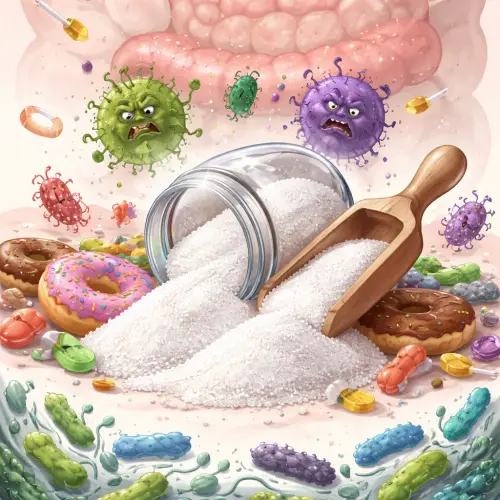
How Sugar Negatively Impacts Gut Bacteria — 8 Proven Mechanisms
Your gut is home to trillions of bacteria that play a critical role in digestion, immunity, and even mental health. But when you feed them too much sugar, the balance shifts. Below are eight science-backed ways sugar negatively impacts gut bacteria. For a related guide, see 14 Daily Habits That Are Destroying Your Gut Microbiome – Avoid These Mistakes.
1. Sugar Feeds Pathogenic Bacteria and Yeast
Refined sugars like sucrose and high-fructose corn syrup are fast food for harmful microbes. Species such as Clostridium difficile and Candida albicans thrive on sugar, outcompeting beneficial bacteria. A 2020 study found that high-sugar diets increased the abundance of pro-inflammatory Bilophila and decreased anti-inflammatory Lactobacillus (source).
2. Reduces Microbial Diversity
A diverse gut microbiome is a hallmark of good health. Research consistently shows that high sugar intake reduces the number of different bacterial species in the gut. Lower diversity is associated with obesity, metabolic syndrome, and inflammatory bowel disease. The negative effects of sugar on gut microbiome diversity can be seen after just a few weeks of a high-sugar diet.
3. Damages the Intestinal Barrier (Leaky Gut)
When gut bacteria become imbalanced, they can weaken the tight junctions in your intestinal lining. This leads to increased intestinal permeability — commonly called leaky gut. Sugar-laden diets have been shown to directly impair these tight junctions, allowing toxins and partially digested food particles into the bloodstream, which triggers systemic inflammation. For a related guide, see 13 Proven Gut Health Secrets to Supercharge Weight Loss and Metabolism.
4. Disrupts Short-Chain Fatty Acid Production
Beneficial gut bacteria ferment dietary fiber into short-chain fatty acids (SCFAs) like butyrate, which fuel colon cells and reduce inflammation. When sugar replaces fiber in the diet, SCFA production drops. A 2019 study demonstrated that a high-sugar diet significantly lowered butyrate-producing bacteria such as Faecalibacterium prausnitzii (source).
5. Increases Gut Inflammation and Endotoxemia
Harmful bacteria produce lipopolysaccharides (LPS), which are potent inflammatory compounds. A high-sugar diet increases the population of LPS-producing bacteria and also makes the gut wall more permeable to LPS. This can lead to metabolic endotoxemia — a low-grade inflammatory state linked to insulin resistance and weight gain.
6. Encourages Antibiotic-Resistant Strains
Excess sugar can promote the overgrowth of bacteria that carry antibiotic-resistance genes. A 2021 study found that mice fed a high-sugar diet had a higher abundance of Enterobacteriaceae — a family that includes E. coli and Salmonella — many strains of which are multidrug-resistant. This is another reason why sugar negatively impacts gut bacteria beyond just digestion.
7. Alters the Gut-Brain Axis
Your gut communicates with your brain via the vagus nerve and neurotransmitter production. A sugar-heavy diet can alter the microbial production of GABA, serotonin, and dopamine. This may contribute to mood swings, depression, and even sugar cravings — creating a vicious cycle where you eat more sugar to feel better, but it only makes things worse.
8. Suppresses Beneficial Bacteria Through Osmotic Effects
High concentrations of sugar in the small intestine draw water into the gut (osmotic effect), which can cause diarrhea and rapid transit time. This environment makes it harder for beneficial bacteria to colonize and ferment fiber properly. Over time, the negative effects of sugar on gut microbiome include a chronic reduction in protective species like Bifidobacterium.
What the Research Says About Sugar Negatively Impacts Gut Bacteria
Multiple human and animal studies confirm the link. A landmark study from 2015 showed that switching to a high-sugar, low-fiber diet for just one week altered the gut microbiome in ways that persisted after returning to a normal diet. More recent research in 2023 found that even moderate sugar intake — around 50 grams per day — significantly reduced beneficial Bifidobacteria in healthy adults.
How Much Sugar Is Too Much?
The World Health Organization recommends keeping added sugar below 10% of total daily calories (about 50 grams or 12 teaspoons). But for gut health, many experts suggest aiming for less than 25 grams per day. Natural sugars from whole fruits (with fiber) are less problematic than refined sugars and high-fructose corn syrup.
Actionable Advice to Protect Your Gut From Sugar Negatively Impacts Gut Bacteria
You don’t have to eliminate all sugar forever, but making intentional changes can dramatically improve your gut health.
- Swap sugary drinks for water or herbal tea. Soda and fruit juice are the biggest sources of added sugar for most people.
- Eat more prebiotic fiber. Foods like garlic, onions, leeks, asparagus, and bananas feed good bacteria and help restore balance.
- Include fermented foods. Yogurt, kefir, sauerkraut, kimchi, and miso introduce live beneficial microbes.
- Read labels. Sugar hides under names like dextrose, maltose, agave nectar, and fruit juice concentrate.
- Reduce artificial sweeteners. Some artificial sweeteners (like sucralose and saccharin) may also disrupt gut bacteria.
| Sugar Source | Typical Gut Impact | Better Alternative |
|---|---|---|
| Soda (355 ml) | Feeds pathogenic bacteria, lowers diversity | Sparkling water with lemon |
| White bread/pasta | Rapid sugar release, reduces SCFA production | Whole grain or sourdough |
| Fruit juice (no fiber) | Spikes blood sugar, feeds yeast | Whole fruit with skin |
| Honey / maple syrup | Still impacts gut if used in excess | Small amounts of stevia or monk fruit |
Useful Resources
For deeper reading on how diet affects your gut microbiome, check out these evidence-based articles:
- The gut microbiome and diet — Harvard Health
- Effects of Dietary Sugar on the Gut Microbiome — National Institutes of Health
Frequently Asked Questions About sugar negatively impacts gut bacteria
Does sugar kill gut bacteria?
Sugar itself doesn’t directly kill gut bacteria, but it creates an environment that favors harmful species over beneficial ones. Over time, beneficial bacteria can be outcompeted and their populations shrink.
How quickly does sugar affect gut bacteria?
Changes can begin within 24 hours of a high-sugar meal. However, significant shifts in the microbial community structure typically take several days to a few weeks of consistent high-sugar intake.
Can you reverse sugar damage to gut bacteria?
Yes, in most cases the gut microbiome can recover by reducing added sugar, increasing fiber and fermented foods, and allowing time. Some changes may take weeks to months to fully restore.
Does natural sugar like honey also harm gut bacteria?
Honey and maple syrup still contain sugars that can feed harmful bacteria if consumed in excess. However, they also contain some beneficial compounds and are less processed. Moderation is key.
Is fruit sugar bad for gut health?
Whole fruits contain fructose but are bundled with fiber, water, and polyphenols that slow absorption and feed beneficial bacteria. Fruit juice without fiber is more problematic for the gut.
What are the worst sugars for gut bacteria?
High-fructose corn syrup, refined white sugar, and artificial sweeteners like sucralose and saccharin are among the most disruptive to the gut microbiome.
Does sugar cause leaky gut?
High sugar intake is associated with increased intestinal permeability. It can alter tight junction proteins and promote inflammation that contributes to leaky gut syndrome.
Can sugar cause Candida overgrowth?
Yes. Candida albicans is a yeast that feeds on sugar. A high-sugar diet can promote its overgrowth in the gut, leading to symptoms like bloating, fatigue, and brain fog.
How does sugar affect SIBO?
Sugar can feed the bacteria that overgrow in the small intestine in SIBO (small intestinal bacterial overgrowth). Many SIBO protocols recommend eliminating sugar during treatment.
Do artificial sweeteners affect gut bacteria?
Yes. Studies show that some artificial sweeteners like saccharin and sucralose can alter gut microbial composition and glucose metabolism, even in humans.
Can a low-sugar diet improve IBS symptoms?
Many people with IBS find relief by reducing added sugar, as sugar can feed gas-producing bacteria and worsen bloating, diarrhea, and abdominal pain.
Does sugar affect the gut-brain axis?
Absolutely. Sugar-induced dysbiosis can alter the production of neurotransmitters like serotonin and dopamine, influencing mood, cravings, and mental clarity.
How much sugar is safe for gut health?
For gut health, many experts recommend limiting added sugar to no more than 25 grams (about 6 teaspoons) per day. The WHO’s upper limit is 50 grams.
Is sugar worse than fat for gut bacteria?
Both can be harmful in excess, but sugar specifically feeds pathogenic bacteria and yeast more directly than fat. However, unhealthy fats (trans fats, excessive saturated fat) also disrupt the microbiome.
Can probiotics help counteract sugar damage?
Probiotics may help restore beneficial bacteria after a high-sugar diet, but they cannot fully undo the damage if sugar intake remains high. Dietary changes are essential.
Does sugar affect gut bacteria in children?
Yes, children’s gut microbiomes are especially sensitive. High sugar intake in childhood is linked to lower microbial diversity and a higher risk of obesity and allergies.
Does quitting sugar improve gut health immediately?
Withdrawal symptoms like headaches and cravings can last a few days, but improvements in gut bacteria composition can begin within a week of reducing sugar.
What foods restore gut bacteria after sugar overload?
Foods rich in prebiotic fiber (garlic, onions, leeks), fermented foods (kimchi, yogurt, kefir), and diverse plant foods are the best choices to rebalance the microbiome.
Does sugar affect gut immunity?
Yes. A sugar-disrupted microbiome can impair the development and function of gut-associated lymphoid tissue (GALT), which is a major component of the immune system.
Can a high-sugar diet cause permanent damage to gut bacteria?
In most cases, damage is reversible with dietary changes. However, chronic long-term dysbiosis may become harder to fully reverse, especially if it leads to metabolic disease.