
mental health challenges older adults face with depression Key Takeaways
Depression in older adults is not a normal part of aging, yet it remains widely underrecognized and undertreated.
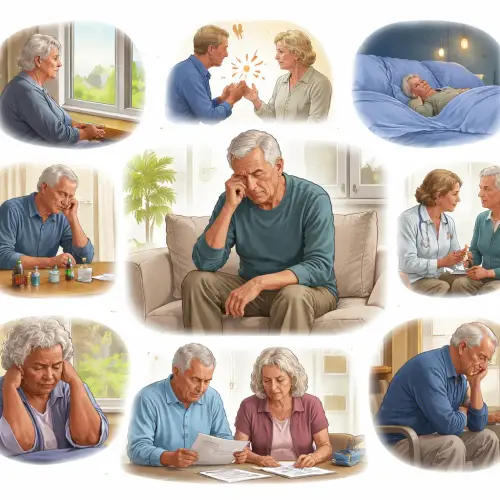
Understanding the mental health challenges older adults face with depression
Depression in seniors looks different than it does in younger adults. Instead of persistent sadness, older adults may report physical aches, memory problems, or a general loss of interest in life. This difference in symptom presentation is one reason why mental health challenges older adults face with depression are often missed or dismissed. In fact, the National Institute on Aging notes that depression is not a normal part of growing older, yet it affects more than 2 million Americans aged 65 and older. Let’s break down the eight most pressing challenges. For a related guide, see Stress vs Anxiety: Key Differences, Symptoms and Treatment.
1. Misdiagnosis Due to Overlapping Physical Symptoms
One of the most significant mental health challenges older adults face with depression is the tendency for doctors and family members to attribute depressive symptoms to aging or physical illness. Fatigue, appetite loss, difficulty sleeping, and chronic pain can all be signs of depression, but they are often written off as expected health declines. This misattribution delays treatment and can worsen the underlying depression.
A 2021 study published in the Journal of the American Geriatrics Society found that nearly 40% of older adults with major depressive disorder were initially misdiagnosed with a physical condition. Routine screening for depression using validated tools like the Geriatric Depression Scale can help close this gap.
2. Social Isolation and Loneliness
Social isolation is both a cause and a consequence of older adults depression. Retired seniors who lose a spouse, live far from family, or face mobility issues often find themselves alone for days at a time. The lack of meaningful human contact can trigger or deepen depressive episodes. Research from the National Academies of Sciences, Engineering, and Medicine shows that socially isolated older adults have a 50% increased risk of developing depression compared to those with strong social networks.
Community-based programs, senior centers, and even regular phone check-ins can provide critical social connections. Yet many seniors are unaware of these resources or feel too embarrassed to ask for help.
3. Stigma Around Mental Health Treatment
Many older adults grew up in an era when mental health for elderly issues were taboo. They may believe that depression is a sign of personal weakness or something they should be able to handle on their own. This stigma is a powerful barrier to seeking care. In fact, a 2020 survey from the American Psychological Association found that nearly 60% of adults aged 65 and older said they would be reluctant to see a therapist because of what others might think.
Changing this mindset requires patient education and destigmatizing language from trusted healthcare providers. When depression is framed as a treatable medical condition rather than a character flaw, acceptance rates improve.
4. Grief and Complicated Bereavement
Late life is a time of accumulated loss — spouses, siblings, friends, even pets. While grief is a normal response, it can evolve into complicated bereavement or major depressive disorder. The senior depression challenges associated with grief are distinct because the line between normal sadness and clinical depression is blurry. Seniors may feel guilty for still being alive when loved ones have passed, further deepening depressive symptoms. For a related guide, see 12 Common Signs and Symptoms of Depression You Must Know.
Bereavement support groups and grief counseling tailored for older adults can be especially helpful. Complicated grief responds well to targeted psychotherapy, but it requires a trained professional to recognize the difference.
5. Chronic Illness and Pain
Chronic conditions like arthritis, diabetes, heart disease, and Parkinson’s are common among seniors. These illnesses often come with persistent pain, functional limitations, and the emotional weight of managing a long-term condition. The brain chemistry changes caused by chronic pain can directly contribute to depression. This bidirectional relationship means that treating one without the other is rarely successful.
Integrated care models — where primary care physicians and mental health providers collaborate — have shown strong results. Cognitive behavioral therapy for pain management, combined with antidepressant medication, can improve both physical and emotional well-being.
6. Medication Interactions and Side Effects
Polypharmacy — the use of multiple medications — is a reality for many older adults. Some drugs used to treat high blood pressure, heart conditions, or Parkinson’s disease can actually trigger or worsen depressive symptoms. Beta-blockers, corticosteroids, and certain pain medications are known culprits. Recognizing drug-induced depression is one of the trickiest mental health challenges older adults face with depression.
Regular medication reviews with a geriatric pharmacist or primary care doctor can identify potential interactions. Reducing unnecessary medications or switching to alternatives can often lift depressive symptoms without adding an antidepressant.
7. Cognitive Decline and Dementia Overlap
Depression and dementia share many symptoms — memory problems, slowed thinking, withdrawal from activities. This overlap can make it extremely difficult for clinicians to determine whether an older adult is depressed, showing early signs of Alzheimer’s disease, or both. Studies indicate that up to 30% of people with dementia also experience major depression. Conversely, untreated depression in later life increases the risk of cognitive decline. For a related guide, see 11 Ways Depression Affects Daily Life and 3 Smart Warning Signs.
Neuropsychological testing and brain imaging can help differentiate the two conditions. Treating depression first can sometimes improve cognitive function enough to reveal that the underlying dementia is less severe than initially suspected.
8. Lack of Access to Age-Appropriate Mental Health Care
Even when mental health for elderly needs are recognized, finding a provider with geriatric expertise is challenging. There is a severe shortage of geriatric psychiatrists and therapists trained in late-life depression. Many mental health professionals focus on younger populations and may not understand the unique medical, social, and emotional landscape of aging.
Telehealth has begun to close this gap, especially in rural areas. Medicare now covers many telehealth mental health services, making it easier for seniors to access care from their own homes. Advocacy for more geriatric mental health training programs remains essential.
How Families Can Recognize senior depression challenges Early
Family members and friends are often the first to notice changes. Look for unexplained weight loss, withdrawal from hobbies, increased irritability, complaints of pain with no clear cause, or statements like “I’m a burden.” If you spot these signs, gently express concern and offer to help schedule a doctor’s appointment. The Geriatric Depression Scale is a simple 15-question screening tool that can be completed in a few minutes in a primary care office.
Practical Steps for Caregivers
If you are caring for an older adult who may be depressed:
- Encourage regular physical activity, even short walks.
- Help maintain social connections through phone calls or community events.
- Ensure medication reviews happen at least annually.
- Normalize therapy — consider joining a session yourself to show support.
- Watch for sudden improvements; sometimes antidepressants take weeks to work, and early partial responses can be misleading.
Useful Resources
For more information on mental health challenges older adults face with depression, visit these trusted organizations:
- National Institute on Aging — Depression and Older Adults
- American Psychological Association — Older Adults and Mental Health
Frequently Asked Questions About mental health challenges older adults face with depression
What are the most common mental health challenges older adults face with depression?
Misdiagnosis, social isolation, stigma, grief, chronic illness, medication interactions, cognitive decline overlap, and lack of access to age-appropriate care are the eight most common challenges.
Is depression a normal part of aging?
No, depression is not a normal part of aging. However, it is common and treatable at any age.
How does depression in older adults differ from depression in younger people?
Older adults often complain of physical symptoms like pain or fatigue rather than sadness, making diagnosis harder.
Can depression cause memory problems in seniors?
Yes, depression can mimic dementia by causing brain fog, poor concentration, and memory lapses.
What is the Geriatric Depression Scale?
It is a 15-question screening tool designed specifically to detect depression in older adults.
Are antidepressants safe for seniors?
Many antidepressants are safe for older adults, but dosages often need to be lower due to kidney function changes and drug interactions.
How long does it take for antidepressants to work in older adults?
It typically takes 4 to 8 weeks to see a full response, though some improvement may be noticed earlier.
Can talk therapy help older adults with depression?
Yes, cognitive behavioral therapy (CBT) and problem-solving therapy have strong evidence of effectiveness in seniors.
What should I do if my elderly parent refuses therapy?
Start with a visit to their primary care doctor, who can normalize the conversation and rule out medical causes.
Is loneliness the same as depression?
No, but chronic loneliness is a major risk factor for developing depression in older adults.
Can physical exercise help senior depression?
Yes, regular moderate exercise is as effective as some medications for mild to moderate depression in seniors.
What are the warning signs of suicide in older adults?
Talking about being a burden, giving away possessions, sudden calmness after severe depression, and expressions of hopelessness are critical signs.
Does Medicare cover mental health services for seniors?
Yes, Medicare Part B covers outpatient therapy, psychiatric evaluations, and telehealth mental health visits.
How can I talk to my aging parent about depression?
Use a calm, caring tone, focus on specific behaviors (e.g., “I noticed you seem tired lately”), and avoid blaming language.
What is the connection between chronic pain and depression in seniors?
Chronic pain alters brain chemistry and increases inflammatory markers, both of which can trigger or worsen depression.
Can depression increase the risk of dementia?
Research suggests untreated depression in later life may double the risk of developing Alzheimer’s disease.
What is complicated grief?
It is a persistent form of grief that lasts more than a year and interferes with daily functioning, often requiring professional treatment.
Are support groups effective for senior depression?
Yes, peer support groups reduce isolation and provide a safe space to share coping strategies.
What should a senior depression treatment plan include?
A comprehensive plan includes therapy, medication if needed, social engagement, physical activity, and regular medical monitoring.
Where can I find a geriatric psychiatrist?
Check with local hospitals, university medical centers, or use the American Association for Geriatric Psychiatry’s online directory.