
warning signs of depression in teenagers Key Takeaways
Teen depression is more than just moodiness — it’s a serious mental health condition that affects how young people think, feel, and function.
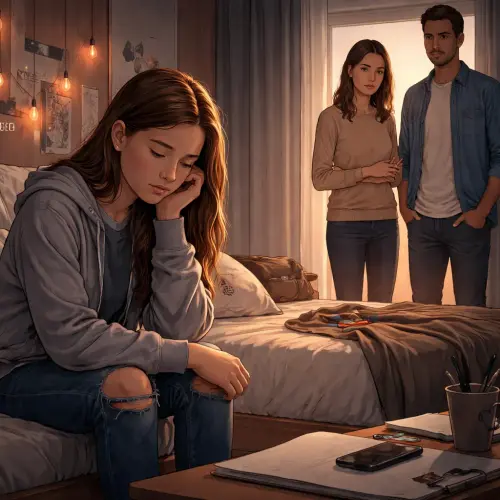
Why Understanding Warning Signs of Depression in Teenagers Matters
Adolescence is a time of emotional highs and lows, but when sadness or irritability becomes persistent, it may signal something deeper. Depression in teenagers affects school performance, relationships, and physical health. Parents, teachers, and caregivers who spot the signs early can connect teens with professional help before problems escalate. The key is knowing what’s typical teenage behavior and what’s not. For a related guide, see Anxiety in Children and Teens: Signs Parents Should Know.
What Makes Teen Depression Different
Teens often express depression in teenagers differently than adults. Instead of profound sadness, they may display irritability, anger, or extreme sensitivity to criticism. They might also complain of physical pains or act out in ways that are easily mistaken for normal teenage rebellion. Understanding these nuances is essential for accurate recognition. For a related guide, see 7 Key Differences Between Depression and Sadness: Expert.
9 Key Warning Signs of Depression in Teenagers You Should Know
Below are the nine most common signs that parents and educators should watch for. Each sign includes a brief explanation and a practical action step.
1. Persistent Sadness or Irritability
A teen who seems down, tearful, or edgy for most of the day, nearly every day, for at least two weeks may be struggling with teen depression. This isn’t just a bad day after a fight with a friend — it’s a lasting emotional state.
Actionable insight: Gently ask open-ended questions like “I’ve noticed you seem down lately. Want to talk about it?” without pushing for details. Let them know you’re there to listen, not judge.
2. Loss of Interest in Hobbies and Activities
When a teen drops out of sports, stops playing an instrument they once loved, or refuses to hang out with their close friends, it’s a red flag. Anhedonia — the loss of pleasure — is a core symptom of depression in teenagers.
Actionable insight: Encourage small, low-pressure activities like a short walk or watching a movie together. The goal is to reconnect, not to force joy.
3. Changes in Sleep Patterns
Sleeping too much (hypersomnia) or struggling to fall/stay asleep (insomnia) are common warning signs of depression in teenagers. Teens with depression often feel exhausted despite hours in bed or lie awake ruminating.
Actionable insight: Establish a consistent bedtime routine and limit screen time an hour before sleep. If sleep problems persist, consult a pediatrician.
4. Significant Weight or Appetite Changes
Eating much more or much less than usual — without a deliberate diet or growth spurt — can accompany teen depression. Some teens lose interest in food, while others turn to eating for comfort.
Actionable insight: Offer balanced meals and snacks without commentary. If weight changes are dramatic, ask a healthcare provider to rule out medical causes and screen for mood disorders.
5. Withdrawal from Family and Friends
Teens naturally want more independence, but complete social isolation is a concern. Canceling plans, hiding in their room for hours, and avoiding family dinners are possible warning signs of depression in teenagers.
Actionable insight: Respect their need for space but maintain connection through small gestures — a text, a note under the door, or offering to bring a snack. Consistency shows you care.
6. Drop in Academic Performance
Depression can make it hard to concentrate, remember assignments, or feel motivated. A once diligent student who suddenly has missing homework, slipping grades, or is falling asleep in class may be showing signs of depression in teenagers.
Actionable insight: Talk to teachers and school counselors. An IEP or 504 Plan can provide accommodations like extra time for tests or a quiet place to work.
7. Physical Complaints Without Clear Cause
Frequent headaches, stomachaches, back pain, or fatigue that don’t have a clear medical reason can be physical manifestations of teen depression. Teens often struggle to express emotional pain, so the body carries the burden.
Actionable insight: Schedule a doctor’s visit to rule out physical illness. During the appointment, the doctor can also screen for mental health concerns.
8. Extreme Self-Criticism or Verbalizing Hopelessness
Statements like “I’m not good enough,” “Nothing matters,” or “Life is pointless” are serious warning signs of depression in teenagers. Even jokes about dying or wanting to disappear should be taken seriously.
Actionable insight: Do not dismiss these remarks as drama. Ask directly: “Are you thinking about hurting yourself?” If the answer is yes, stay with them and call a crisis line or 988 (in the US) immediately.
9. Risky or Reckless Behavior
Substance use, reckless driving, unsafe sexual behavior, or self-harm like cutting can be a cry for help. Some teens act out to numb emotional pain or because they feel they have nothing to lose.
Actionable insight: Set clear boundaries while showing concern. “I love you, and I’m worried about your safety. Let’s get some support together.” Professional intervention is essential here.
How to Talk to a Teen About Depression
Opening a conversation about depression in teenagers requires patience and empathy. Choose a quiet time when neither of you is rushed. Use “I” statements: “I’ve noticed you seem tired lately. I’m worried about you.” Avoid accusing or lecturing. If they shut down, respect their boundary but revisit the topic later.
What to Avoid
- Don’t minimize their feelings (“You have nothing to be sad about!”).
- Don’t compare them to others (“Your sister never acted like this.”).
- Don’t try to “fix” them — just listen and offer to find professional help together.
When to Seek Professional Help
If you notice several of these warning signs of depression in teenagers lasting more than two weeks, it’s time to consult a professional. Start with your pediatrician or a licensed mental health counselor who specializes in adolescent therapy. Early intervention with therapy, lifestyle changes, and sometimes medication can greatly improve outcomes.
Useful Resources
For additional support and information, explore these credible resources:
- National Institute of Mental Health — Depression: Comprehensive information about depression symptoms, treatments, and clinical trials.
- American Academy of Child and Adolescent Psychiatry — Depression Resource Center: Guides for families and youth on recognizing and treating depression.
Moving Forward with Compassion
Recognizing the warning signs of depression in teenagers is the first step toward getting them the help they need. You don’t have to be a mental health expert — you just need to be present, attentive, and willing to act. By staying informed and maintaining open communication, you provide a lifeline during a vulnerable time. Reach out to professionals, lean on support networks, and remember that teen depression is treatable. Early intervention saves lives and restores hope.
Frequently Asked Questions About warning signs of depression in teenagers
What are the most common warning signs of depression in teenagers ?
Common signs include persistent sadness or irritability, loss of interest in enjoyed activities, sleep and appetite changes, withdrawal from family and friends, academic decline, physical complaints, talk of hopelessness, and risky behavior.
How is depression in teenagers different from typical moodiness?
Teen depression lasts longer (most of the day, nearly every day for at least two weeks) and affects daily functioning, while typical moodiness is usually brief and tied to a specific event.
Can physical symptoms be a sign of teen depression ?
Yes. Frequent headaches, stomachaches, and fatigue without a clear medical cause are common physical expressions of depression in teenagers.
What should I do if my teen shows warning signs of depression?
Start a calm, non-judgmental conversation. Express concern, listen without fixing, and schedule an appointment with a pediatrician or mental health professional for a thorough evaluation.
Is irritability a sign of depression in teens?
Absolutely. Irritability, anger, and hostility are more common in teens with depression than the classic sad mood seen in adults.
How can I tell if my teen is depressed or just going through a phase?
Look for the duration (two weeks or longer), intensity (interferes with school, friendships, and daily life), and number of symptoms present. Multiple signs suggest depression, not just a phase.
What are the warning signs of depression in teen boys vs. girls?
Boys may show more anger, recklessness, and substance use, while girls often exhibit sadness, low self-worth, and overeating. Both can withdraw, but the outward expression varies.
Can my teen hide their depression from me?
Yes. Many teens become skilled at masking their feelings, especially if they fear burdening parents or feeling judged. That’s why knowing subtle signs like sleep changes and physical complaints is important.
Is social media causing teenage depression?
Excessive social media use can contribute to depressive symptoms by promoting comparison, cyberbullying, and disrupting sleep, but it is rarely the sole cause. It can be a risk factor, not a direct cause.
What should I say to a depressed teen?
Use open-ended, caring phrases like “I’ve noticed you seem down, and I’m here for you.” Avoid clichés like “Cheer up” or “It could be worse.” Listen more than you talk.
When should I worry about teen sleeping too much?
If your teen consistently sleeps 10+ hours a night and still feels exhausted, or struggles to get out of bed for school, this can be a sign of depression and should be discussed with a doctor.
How does teen depression affect school performance?
Depression impairs concentration, memory, and motivation, often leading to declining grades, incomplete assignments, and increased absences or tardiness.
Can teen depression go away on its own?
Without treatment, depressive episodes can last months or years. Early intervention with therapy, lifestyle changes, and sometimes medication offers the best chance for recovery.
What is the best treatment for depression in teenagers ?
Cognitive Behavioral Therapy (CBT) is highly effective. In moderate to severe cases, combining therapy with antidepressant medication under close medical supervision is the gold standard.
Is it normal for a teen to not want to talk about their feelings?
Yes, many teens struggle to articulate emotions. Creative outlets like journaling, art, or music can help them express what they can’t say in words.
What role do friends play in teen depression ?
Supportive friendships can buffer against depression, while toxic relationships or peer exclusion can worsen it. Encouraging healthy social connections is protective.
Should I ask my teen if they are thinking about suicide?
Yes. Asking directly does not plant the idea — it provides relief and opens the door for help. Use a calm tone: “Are you having thoughts of wanting to hurt yourself or end your life?”
What are the long-term effects of untreated depression in teenagers ?
Untreated depression can lead to academic failure, social isolation, substance abuse, chronic health problems, and increased risk of suicide. Early treatment changes this trajectory.
Can diet and exercise help with teen depression ?
Regular exercise, a balanced diet, and adequate sleep support mood regulation and can reduce mild depressive symptoms, but they are not substitutes for professional mental health care.
Where can I get immediate help if my teen is in crisis?
Call or text 988 (in the US) to reach the Suicide and Crisis Lifeline. You can also text HOME to 741741 for the Crisis Text Line. For emergencies, call 911 or go to the nearest ER.