ADHD and sleep problems Key Takeaways
This happens because the ADHD brain often under-produces melatonin at the right time, and it over-produces alerting neurotransmitters like norepinephrine at night.
- The ADHD and sleep problems link involves biology, medication timing, and even how your brain processes light.
- Common sleep issues in ADHD include delayed sleep phase, restless legs, and nighttime anxiety.
- Small adjustments to your evening routine and environment can make a surprisingly big difference.
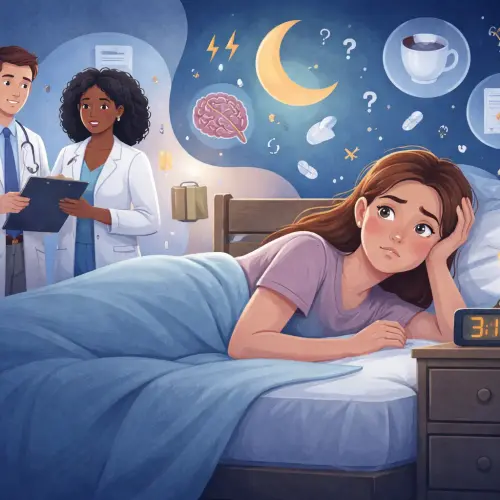
Why ADHD and sleep problems Go Hand in Hand
If you have ADHD and you’re tired of being tired, you’re in good company. Studies show that anywhere from 25% to 50% of people with ADHD experience significant sleep difficulties. But this isn’t just about tossing and turning — it’s a complex web of overlapping symptoms, medication effects, and even the way your brain is wired. For a related guide, see 12 Surprising Gut Health Hacks for Mental Wellness.
Below, I break down the 12 most surprising links between ADHD and sleep problems. Each one reveals something you probably didn’t expect, from the role of dopamine to why you suddenly get a second wind at 11 PM.
1. The “Second Wind” Paradox
You’d think that after a long, brain-draining day, hitting the pillow would be easy. But many adults and kids with ADHD say their mind gets louder just when they want to sleep. It’s a paradoxical burst of alertness — the body is tired, but the brain says, “Let’s review every conversation from the past decade.”
This happens because the ADHD brain often under-produces melatonin at the right time, and it over-produces alerting neurotransmitters like norepinephrine at night. The result is a built-in mismatch between your body clock and the clock on the wall.
2. Delayed Sleep Phase Syndrome (DSPS) Is Extremely Common
One of the strongest links between ADHD and sleep problems is a shifted circadian rhythm. People with ADHD are significantly more likely to have Delayed Sleep Phase Syndrome — meaning their natural bedtime is two or more hours later than what’s considered “normal.”
This isn’t a choice. It’s a biological preference driven by a longer-than-average circadian cycle. In a 2019 study published in Sleep Medicine Reviews, researchers found that roughly 75% of adults with ADHD reported an evening chronotype — they are natural night owls, even when they desperately want to be early birds.
3. Restless Leg Syndrome (RLS) and Periodic Limb Movements
Maybe you’ve felt an unbearable urge to move your legs as you’re drifting off. Restless Leg Syndrome is twice as common in people with ADHD compared to the general population. The shared link? Low dopamine levels. Dopamine helps control smooth muscle movement, and when it’s dysregulated in ADHD, RLS can flare up at night, making sleep a battle.
4. Sleep Apnea Goes Undiagnosed More Often
Here’s a surprising one: children with ADHD are more likely to have undiagnosed obstructive sleep apnea. The daytime symptoms of sleep apnea — inattention, hyperactivity, irritability — can mimic ADHD, but they can also worsen existing ADHD. One 2013 review in Pediatrics found that treating sleep apnea in kids with ADHD sometimes reduces ADHD symptoms significantly. For a related guide, see 15 Warning Signs of Undiagnosed Sleep Apnea You Should Know.
5. Medication Timing Affects Sleep Quality
Stimulant medications like methylphenidate and amphetamines are designed to boost focus, but they can also linger in your system at night. Interestingly, some people experience better sleep on lower doses of their meds compared to no meds at all — because a well-controlled brain is less chaotic at bedtime. The trick is working with your doctor to adjust timing or consider non-stimulant options.
6. Emotional Dysregulation Before Bed
For many, the quiet of the bedroom amplifies unresolved emotions. ADHD makes it harder to filter out worries and frustrations. Racing thoughts about something embarrassing you said in 2012 or anxiety about tomorrow’s meeting can keep you wired for hours. This “bedtime rumination” is a hidden link between ADHD and sleep problems that often goes unmentioned.
7. Hyperfocus on Screens
You know the feeling: you sit down to scroll for five minutes, and suddenly two hours have passed. ADHD hyperfocus makes it nearly impossible to put down a captivating phone game or a Reddit thread. The blue light from screens further suppresses melatonin, making your brain think it’s still daytime. It’s a double whammy.
8. Irregular Sleep Schedules — Even on Weekends
People with ADHD often struggle with routine and time perception. You may stay up late catching up on tasks, then crash hard on weekends. This erratic pattern confuses your body’s internal clock even more. Consistency is crucial for ADHD and sleep problems, but it’s also one of the hardest habits to build.
9. High Sensitivity to Environmental Stimuli
ADHD brains are naturally more sensitive to sounds, temperature, and light. A ticking clock, a neighbor’s TV, or even the feel of a wrinkled sheet can jolt you out of drowsiness. This sensory sensitivity is a powerful and often overlooked link between ADHD and sleep problems.
10. Bedtime Procrastination Is Real
You know you should sleep, but you just… don’t. Bedtime procrastination is especially common in ADHD. After a day of forced structure, the late-night hours feel like the only time you truly own. You stay up reading, gaming, or cleaning — not because you’re not tired, but because saying “no” to that freedom feels worse than the exhaustion.
11. Sleep Problems Can Worsen ADHD Symptoms (A Vicious Cycle)
Poor sleep decreases attention, increases impulsivity, and worsens emotional swings. In a 2020 meta-analysis in Neuroscience and Biobehavioral Reviews, researchers concluded that sleep deprivation produces cognitive impairments that closely mimic ADHD. So if you’re already struggling with focus, bad sleep can make it feel impossible to manage your daily tasks.
12. Co-occurring Anxiety and Depression Compound Sleep Challenges
High rates of anxiety and depression travel with ADHD. Both conditions independently disrupt sleep. When combined, you get a perfect storm: anxiety keeps you awake with nervous energy, depression robs your motivation to follow good sleep habits, and ADHD makes it hard to stick to a routine. It’s a triple threat that can feel overwhelming.
Actionable Tips to Improve Sleep with ADHD
Understanding the ADHD and sleep problems connection is half the battle. Here are a few steps you can take today:
- Set a consistent wake-up time — even on weekends. This anchors your body clock more than your bedtime does.
- Create a wind-down ritual that starts 30–60 minutes before your target sleep time. Keep it low-stimulation: dim lights, no screens, maybe a warm bath or a podcast (but not an exciting one).
- Use melatonin thoughtfully — a small dose (0.5–1 mg) taken 1–2 hours before your desired bedtime can help shift your rhythm. Check with your doctor first.
- Make your bedroom a tech-free zone after a certain hour. Out of sight, out of hyperfocus.
- Experiment with weighted blankets — deep pressure can lower cortisol and promote relaxation.
- Talk to your prescriber about your medication schedule. A small change in timing can make a huge difference.
How to Build a Sleep Routine That Actually Sticks
ADHD brains thrive on external structure. Instead of relying on willpower (which is unreliable after a long day), set up external cues:
- Use a smart lamp that dims automatically at night.
- Put your phone on a charger in another room.
- Use a physical alarm clock instead of your phone.
- Set a timer for when you need to start winding down — not just a bedtime alarm.
Even small steps can break the cycle of the ADHD and sleep problems loop. You don’t have to fix everything overnight. Pick one change and try it for a week.
Useful Resources
For a deeper understanding, check out these evidence-based sources:
Frequently Asked Questions About ADHD and sleep problems
Can ADHD cause insomnia?
Yes, ADHD can directly cause insomnia. A racing mind, hyperarousal, and difficulty winding down are common symptoms that interfere with falling asleep.
Why do people with ADHD stay up late?
Many people with ADHD have a delayed circadian rhythm — their natural sleep-wake cycle runs later than average. They also may struggle with bedtime procrastination due to impulsivity and executive dysfunction.
Does ADHD medication affect sleep?
Yes, stimulant medications can interfere with sleep if taken too late in the day. Non-stimulants or adjusted timing may help. Some people actually sleep better on their medication because their daytime symptoms are better managed.
Is melatonin safe for ADHD ?
Melatonin is generally considered safe for short-term use in ADHD, but it’s best to use low doses (0.5–1 mg) and consult a healthcare provider. It works best when combined with good sleep habits.
Can poor sleep mimic ADHD symptoms?
Absolutely. Sleep deprivation can cause inattention, impulsivity, and hyperactivity — symptoms that overlap with ADHD. Treating sleep issues can sometimes reduce ADHD-like behaviors, especially in children.
What is the link between ADHD and restless legs?
Both conditions involve dopamine dysregulation. People with ADHD have a higher rate of Restless Leg Syndrome, and the crawling sensation at night can severely disrupt sleep.
Do adults with ADHD need more sleep?
Not necessarily more sleep, but higher quality sleep. Because ADHD brains often don’t get enough restorative deep sleep, people may feel tired even after eight hours in bed.
Can exercise help ADHD sleep problems ?
Yes, regular moderate exercise improves sleep quality and helps regulate the circadian rhythm. Just avoid intense workouts within two hours of bedtime.
How can I stop racing thoughts at night with ADHD ?
Try a brain dump (write everything down before bed), use a white noise machine, or listen to an audiobook (not too exciting). Calming breathing exercises can also help.
Is sleep apnea more common in ADHD ?
Research suggests that obstructive sleep apnea is more common in children with ADHD. Treating apnea can sometimes improve ADHD symptoms significantly.
Can caffeine worsen ADHD and sleep problems ?
Caffeine can temporarily improve focus, but it also delays sleep onset and reduces sleep quality. People with ADHD often self-medicate with caffeine, which can backfire for sleep.
What is the best sleep schedule for ADHD ?
Consistency matters most. Aim for a fixed wake-up time even on weekends. A bedtime that aligns with your natural chronotype (even if it’s later) is better than forcing an early schedule you can’t keep.
Can weighted blankets help with ADHD sleep?
Many people with ADHD find weighted blankets calming because the deep pressure input lowers cortisol and promotes the release of serotonin and melatonin.
Does blue light affect ADHD sleep more?
Yes, because ADHD brains are more sensitive to environmental stimulation. Blue light from screens suppresses melatonin more strongly, delaying sleep onset even further.
Can ADHD cause nightmares?
Some research suggests that people with ADHD report more vivid and intense dreams and a higher rate of nightmares, possibly due to emotional dysregulation and hyperactive brain activity during sleep.
Is it common to wake up multiple times at night with ADHD ?
Yes, fragmented sleep is common. ADHD brains can have trouble staying in deep sleep stages, leading to frequent awakenings and that feeling of never feeling fully rested.
Can therapy help ADHD sleep issues?
Cognitive Behavioral Therapy for Insomnia (CBT-I) can be very effective for ADHD-related sleep problems. It addresses both behavioral patterns and racing thoughts.
Do children with ADHD have more sleep problems ?
Yes, children with ADHD frequently struggle with bedtime resistance, night wakings, and shorter total sleep time. Consistent routines and early intervention can help.
Can diet affect ADHD and sleep quality?
Yes. High sugar intake and food dyes may worsen hyperactivity in some children. A balanced diet with adequate magnesium and iron supports both ADHD management and sleep regulation.
When should I see a doctor for ADHD sleep problems ?
If sleep issues persist for more than a few weeks, interfere with daily functioning, or you suspect sleep apnea or RLS, a sleep specialist or your ADHD provider can help create a targeted treatment plan.