
undiagnosed sleep apnea Key Takeaways
If left untreated, sleep apnea doesn’t just steal your rest — it increases your risk for heart disease, stroke, and daytime accidents.
- Loud snoring and gasping for air during sleep are classic warning signs sleep apnea patients often dismiss.
- Chronic fatigue and morning headaches are linked to undiagnosed sleep apnea symptoms that worsen over time.
- A simple sleep study can confirm the condition and open the door to effective treatments like CPAP therapy.
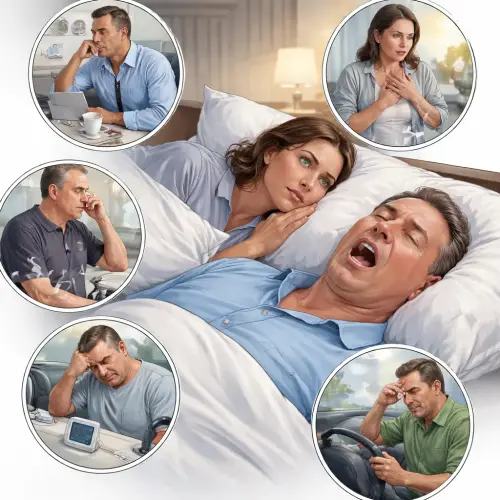
Why Spotting undiagnosed sleep apnea Early Matters
You might think tossing and turning all night is just part of aging or stress. Yet millions of adults live with sleep apnea and never get a proper diagnosis. The condition causes repeated pauses in breathing during sleep, which starves your brain and body of oxygen. Over time, this puts immense strain on your cardiovascular system and brain function. The earlier you identify the signs, the sooner you can protect your long-term health. For a related guide, see Silent Hypertension: Why High Blood Pressure Is Dangerous.
The 15 warning signs sleep apnea You Need to Know
Below are the most common undiagnosed sleep apnea symptoms organized by how they affect your daily life. If any of these sound familiar, consider talking to your doctor about a sleep evaluation.
1. Loud, Persistent Snoring
Not all snorers have sleep apnea, but loud snoring that disrupts your partner is a top red flag. With sleep apnea, the snoring is often punctuated by pauses or choking sounds. If someone tells you your snoring sounds like a freight train, pay attention.
2. Gasping or Choking During Sleep
You may wake up suddenly with a racing heart, gasping for air. This happens when your airway collapses and your brain forces you to breathe. It’s one of the most telling undiagnosed sleep apnea symptoms.
3. Excessive Daytime Sleepiness
Feeling drowsy after a full night’s sleep is not normal. If you find yourself nodding off during meetings, while driving, or while watching TV, you may have sleep apnea. This fatigue stems from fragmented sleep, not lack of hours in bed.
4. Morning Headaches
Waking up with a dull headache around your forehead is a classic sign. Oxygen drops during apnea events cause blood vessels in your brain to dilate, triggering pain. Combined with other warning signs sleep apnea, this symptom is hard to overlook.
5. Dry Mouth or Sore Throat Upon Waking
Mouth breathing during apnea episodes dries out your oral tissues. If you constantly wake up with a scratchy throat or dry lips, it could point to undiagnosed sleep apnea.
6. Frequent Nighttime Bathroom Trips
Apnea events put pressure on your heart, which signals your kidneys to produce more urine. If you’re getting up to pee three or more times per night, it might be related to sleep apnea rather than prostate or bladder issues.
7. Irritability or Mood Swings
Sleep deprivation frays your emotional control. Many people with undiagnosed sleep apnea report snapping at loved ones, feeling anxious, or struggling with depression. Treating the apnea often improves mood significantly.
8. Difficulty Concentrating or Brain Fog
Your brain needs consistent oxygen to function. When apneas interrupt that supply, you may struggle to focus at work, forget names, or feel mentally sluggish. This is one of the more frustrating undiagnosed sleep apnea symptoms because it mimics ADHD or aging.
9. High Blood Pressure That’s Hard to Control
There’s a strong link between sleep apnea and resistant hypertension. Each apnea event spikes your blood pressure, and over time your cardiovascular system stays in overdrive. If your BP medication isn’t working well, ask your doctor about sleep apnea screening.
10. Waking Up With a Racing Heart
Your heart beats faster to compensate for low oxygen during apnea episodes. If you often jolt awake with palpitations, it could be a sign your airway is collapsing multiple times an hour.
11. Night Sweats
Struggling to breathe all night forces your body to work harder, raising your core temperature. Unexplained night sweats, especially when paired with other warning signs sleep apnea, are worth investigating.
12. Falling Asleep at Inappropriate Times
This goes beyond simple tiredness. If you doze off while stopped at a traffic light, during a conversation, or in the middle of a movie, it’s a red flag for severe undiagnosed sleep apnea. This symptom puts you and others at serious risk.
13. Gaining Weight Around the Neck
Excess weight — especially a neck circumference over 16 inches for women or 17 inches for men — increases the likelihood of airway collapse. Weight gain and sleep apnea form a vicious cycle: apnea makes you tired, which reduces activity, leading to more weight gain.
14. Witnessed Pauses in Breathing
Often it takes a bed partner to notice. If someone has told you, “You stop breathing in your sleep,” take it seriously. Witnessed apneas are among the most specific undiagnosed sleep apnea symptoms.
15. Snoring That’s Louder on Your Back
Sleeping on your back allows gravity to pull soft tissues into your airway, making snoring and apneas worse. If your snoring is especially loud in this position, and you avoid back-sleeping without knowing why, it’s a subtle sign of sleep apnea.
What to Do if You Recognize These Signs
If you checked off three or more symptoms from this list, don’t wait. Schedule a visit with your primary care provider and ask for a referral to a sleep specialist. The gold-standard test is a polysomnogram, which can be done in a lab or at home with a portable monitor. For a related guide, see 15 Natural Ways to Sleep Better and Wake Up Refreshed.
Treatment options include CPAP (continuous positive airway pressure) machines, oral appliances, positional therapy, and in some cases surgery. Lifestyle changes like weight loss, avoiding alcohol before bed, and sleeping on your side can also help. The key is getting a formal diagnosis first.
Useful Resources
- NIH: Sleep Apnea — Pathophysiology and Treatment Options
- Sleep Foundation: Comprehensive Guide to Sleep Apnea
Frequently Asked Questions About undiagnosed sleep apnea
What is the most common sign of undiagnosed sleep apnea ?
Loud, disruptive snoring combined with observed pauses in breathing is the most common sign reported by bed partners. Many people with the condition don’t realize they snore until someone tells them.
Can sleep apnea go away on its own?
No. Sleep apnea is a chronic condition that rarely resolves without intervention. However, treatments such as CPAP or oral appliances can effectively manage symptoms and restore healthy sleep.
How can I test myself for sleep apnea at home?
At-home sleep tests are available with a doctor’s prescription. They measure oxygen levels, heart rate, and airflow. But self-diagnosis is not reliable — always consult a healthcare professional for interpretation.
Is snoring always a sign of sleep apnea ?
No. Snoring can occur without apnea. But when snoring is loud, persistent, and accompanied by choking sounds or excessive daytime fatigue, it increases the likelihood of sleep apnea.
What happens if undiagnosed sleep apnea is left untreated?
Untreated sleep apnea raises the risk of high blood pressure, heart attack, stroke, type 2 diabetes, and motor vehicle accidents caused by drowsy driving. It can also worsen mental health conditions. For a related guide, see Evidence-Based Ways to Lower Blood Pressure Naturally.
Can sleep apnea cause weight gain?
Yes. Sleep apnea disrupts metabolism and increases cortisol, which can promote abdominal weight gain. Excess weight also worsens apnea, creating a cycle that is hard to break without treatment.
Are women misdiagnosed for sleep apnea ?
Frequently. Women often report fatigue, insomnia, and mood issues rather than classic snoring, leading to misdiagnosis as depression or fibromyalgia. Awareness of female-specific undiagnosed sleep apnea symptoms is growing.
Does sleep apnea affect children?
Yes. In children, undiagnosed sleep apnea may show up as hyperactivity, bedwetting, behavioral issues, and poor school performance rather than daytime sleepiness. Enlarged tonsils are a common cause.
How many apnea events per hour is normal?
Fewer than five apnea or hypopnea events per hour is considered normal. Five to 15 is mild sleep apnea; 15–30 is moderate; and more than 30 is severe. This measure is called the AHI (Apnea-Hypopnea Index).
Can sleep apnea cause memory loss?
Yes. Chronic oxygen deprivation and fragmented sleep impair memory consolidation and cognitive function. Some studies link untreated sleep apnea to a higher risk of dementia later in life.
Is there a connection between sleep apnea and acid reflux?
Yes. The pressure changes during apnea events can pull stomach acid into the esophagus, causing nighttime heartburn. Treating apnea often helps reduce reflux episodes.
Does sleep apnea always cause loud snoring?
Not always. Some people with sleep apnea do not snore loudly. In those cases, symptoms like gasping, daytime fatigue, and morning headaches become more important undiagnosed sleep apnea symptoms to watch for.
Can sleep apnea cause atrial fibrillation?
Yes. There is a strong association between sleep apnea and atrial fibrillation. The repeated drops in oxygen and surges in blood pressure can trigger arrhythmias. Treating apnea may help control AFib.
How do I talk to my doctor about sleep apnea ?
Be specific: mention your snoring, witnessed breathing pauses, daytime sleepiness, and any other warning signs sleep apnea. Bring a sleep diary or record yourself sleeping if possible. Ask directly for a sleep study referral.
Can sleep apnea cause anxiety?
Yes. Poor sleep quality elevates stress hormones and reduces emotional resilience. Many people report less anxiety after starting sleep apnea treatment, as their sleep becomes restorative again.
Is sleep apnea hereditary?
Genetics can play a role. You may be more likely to develop sleep apnea if a close family member has it, especially if you also share risk factors like obesity or a narrow airway structure.
Can sleep apnea cause high blood pressure only at night?
Initially, blood pressure spikes occur during apnea events. Over time, the effect can persist into daytime, leading to sustained hypertension. Treating sleep apnea often lowers both nighttime and daytime readings.
What is the best position to sleep with sleep apnea ?
Side sleeping is generally recommended because it reduces gravitational collapse of the airway. Some people use positional therapy devices or pillows to maintain side sleeping throughout the night.
Does alcohol make sleep apnea worse?
Significantly. Alcohol relaxes the throat muscles, increasing the frequency and severity of apnea events. Avoiding alcohol for at least three hours before bed can help reduce undiagnosed sleep apnea symptoms.
Can losing weight cure sleep apnea ?
Weight loss can reduce or even eliminate sleep apnea in some people, particularly those with mild-to-moderate cases. However, it is not a guaranteed cure, and many individuals still require treatment even after significant weight loss.