
Differences Between Depression and Sadness Key Takeaways
Understanding the differences between depression and sadness is essential for recognizing when a low mood is a natural emotional response versus a clinical condition requiring support.
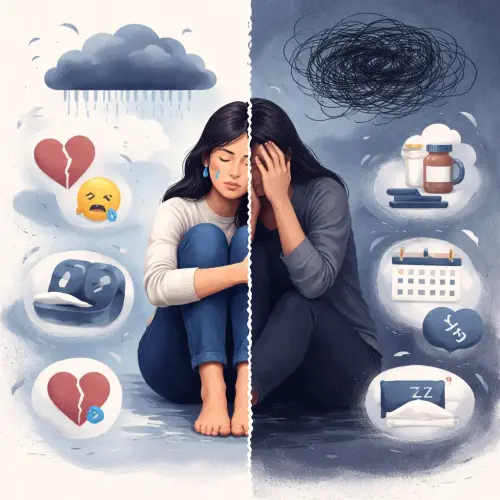
What Readers Should Know About the Differences Between Depression and Sadness
Many people use the terms depression vs sadness interchangeably, but they describe very different experiences. Sadness is a universal human emotion—it arises from a specific cause, fades with time, and does not stop you from finding moments of joy. Depression, however, is a medical condition that distorts your thoughts, drains your energy, and persists even when life is going well.
Learning the key differences between depression and sadness can help you better understand your own emotions or support a loved one who may be struggling. Below we break down seven distinguishing factors that mental health professionals use to separate temporary sadness from clinical depression.
1. Duration and Persistence
The most telling difference is how long the low mood lasts. Sadness typically passes within a few hours to a few days, especially after you talk through the issue or the situation changes. Depression persists for more than two weeks and often continues for months or years without intervention. According to diagnostic guidelines, a major depressive episode requires symptoms to be present nearly every day for at least two weeks.
If you notice a loved one has been withdrawn, tearful, or uninterested in daily life for over two weeks, the sadness depression distinction becomes critical. It may be time to gently discuss the possibility of clinical depression.
2. Emotional Impact and Intensity
Sadness is usually a focused feeling—you are sad about something specific, like a breakup, a job loss, or the death of a pet. The emotion is proportionate to the event. Depression, on the other hand, brings a pervasive sense of emptiness, hopelessness, or flatness that colors everything. You may feel numb, unable to cry, or overwhelmed by a sense of worthlessness that has no clear cause.
This depression vs sadness difference is often described as “sadness without a reason.” If you can point to a trigger and the feeling passes as you resolve it, you are likely dealing with normal sadness.
3. Physical Symptoms
Sadness rarely causes physical changes beyond occasional tiredness or crying. Depression frequently produces real, measurable physical symptoms. Common signs include significant weight loss or gain, sleep disturbances (trouble falling asleep or sleeping too much), low energy, and body aches. A person with depression may say they feel “heavy” or like they are moving through molasses. For a related guide, see Postpartum Anxiety: How to Recognize and Manage It.
When exploring the differences between depression and sadness, pay attention to whether the person has lost appetite, stopped showering regularly, or complains of constant fatigue. These clues point toward depression rather than simple sadness.
4. Effect on Daily Functioning
A key distinction lies in how the emotion affects your ability to work, study, socialize, and care for yourself. Sadness may make you feel down but you can still complete tasks, attend meetings, and respond to friends. Depression impairs function—you may miss deadlines, avoid social contact, struggle to get out of bed, or find it impossible to concentrate.
One reliable marker for the sadness depression distinction is whether the person has stopped doing things they once loved. Loss of interest or pleasure in hobbies, sex, or spending time with family is a hallmark of clinical depression.
5. Self-Esteem and Guilt
Sadness does not typically attack your core beliefs about yourself. You may feel disappointed or frustrated, but you still recognize your worth. Depression often involves intense, irrational guilt, self-criticism, and low self-worth. A person with depression might say things like “I am a burden” or “I ruin everything,” even when evidence points to the contrary.
This symptom is part of the key differences between depression and sadness that mental health professionals screen for. If self-blame feels excessive or unrelated to an event, depression may be the underlying issue.
6. Ability to Experience Pleasure
When you are sad, you can still laugh at a funny movie, enjoy a good meal, or feel comfort from a hug. In depression, the brain’s reward system breaks down. Activities that used to bring joy feel meaningless. This condition—called anhedonia—is one of the most debilitating aspects of depression and a clear sign that the problem goes beyond sadness.
Understanding depression vs sadness in this context helps you see why “just trying to be happy” is unhelpful advice for someone who is clinically depressed; their brain is chemically unable to generate pleasure.
7. Thought Patterns and Hope
Sadness does not make you want to die. Even in the deepest grief, most people still look forward to things improving. Depression, especially moderate to severe depression, can produce thoughts of death, suicidal ideation, or a belief that life is not worth living. The future looks bleak and there is no hope for change.
If someone expresses hopelessness or talks about suicide, treat it as a medical emergency. This is the most urgent sadness depression distinction and requires immediate professional help. Call a crisis line or take the person to the emergency room.
Comparing the Differences Between Depression and Sadness
The table below summarizes the seven key areas where depression vs sadness diverge. Use it as a quick reference when you are trying to understand your own feelings or those of someone you care about.
| Dimension | Sadness | Depression |
|---|---|---|
| Duration | Hours to a few days | Two weeks or longer |
| Trigger | Specific event or loss | May be absent or unclear |
| Physical symptoms | Minimal or none | Fatigue, appetite changes, pain |
| Daily function | Largely intact | Often impaired |
| Self-worth | Remains intact | Low self-esteem, excessive guilt |
| Pleasure | Still able to enjoy things | Loss of interest or anhedonia |
| Suicidal thoughts | Absent | Possible; treat as emergency |
When to Seek Professional Help
Knowing the differences between depression and sadness is not just academic—it can save lives. If you or someone you know has experienced several of the depression symptoms listed above for more than two weeks, consider reaching out to a primary care doctor, therapist, or psychiatrist. Depression is highly treatable with therapy, medication, lifestyle changes, or a combination of approaches. For a related guide, see Anxiety in Older Adults: Symptoms and Care Guide.
Watch for warning signs such as withdrawal from friends, neglecting basic hygiene, loss of appetite, or mentioning death. The National Institute of Mental Health offers excellent resources on depression diagnosis and treatment options.
If there is any talk of suicide, do not wait. Call or text 988 (in the US) to reach the Suicide and Crisis Lifeline, or go to the nearest emergency room.
Useful Resources
These trusted organizations provide more information on the key differences between depression and sadness and offer support for those affected.
- NIMH: Depression Basics — A fact sheet covering symptoms, risk factors, and treatment.
- American Psychiatric Association: What Is Depression? — An overview of how depression is diagnosed and managed.
Frequently Asked Questions About Differences Between Depression and Sadness
Can sadness turn into depression?
Yes, prolonged or complicated sadness can evolve into depression, especially if the underlying cause is not resolved or if you have a genetic vulnerability. If sadness lasts longer than two weeks and starts affecting your daily life, it may have transitioned into clinical depression.
What is the main difference between depression and sadness?
The main difference is that sadness is a temporary emotional reaction to a specific event, while depression is a persistent mental health condition that affects mood, thoughts, and physical health for at least two weeks with no required trigger.
Are there different types of depression?
Yes, depression includes major depressive disorder, persistent depressive disorder (dysthymia), seasonal affective disorder, postpartum depression, and bipolar depression. Each has unique features, but all share the core symptoms that distinguish depression from normal sadness.
Can you be sad without being depressed?
Absolutely. Sadness is a healthy, normal human emotion. Everyone experiences sadness in response to loss, disappointment, or pain. It does not mean you have depression, especially if the feeling fades within a few days and you still function well.
How do I know if I am just sad or depressed?
Ask yourself: How long has this lasted? Can I still enjoy things? Am I sleeping, eating, and working normally? If the low mood persists for over two weeks and interferes with daily life, it may be depression. A mental health professional can provide a clear diagnosis.
Can depression go away on its own?
Some mild forms of depression may improve without treatment, but moderate to severe depression typically requires professional intervention. Relying on spontaneous recovery can lead to worsening symptoms and longer suffering.
Is depression just extreme sadness?
No. While sadness is an emotion, depression is a disorder involving changes in brain chemistry, physical health, and cognitive function. It is not simply “extreme sadness” because numbness, lack of energy, and loss of interest often replace the feeling of sadness itself. For a related guide, see Anxiety vs Depression: Key Differences and Overlap Explained.
Can children experience depression?
Yes, children as young as school age can develop depression. Symptoms may look different than in adults—irritability, clinginess, physical complaints, or poor school performance. The same key differences between depression and sadness apply developmentally.
Do antidepressants help with sadness?
No. Antidepressants are designed to treat chemical imbalances in the brain associated with clinical depression. They will not change normal sadness, which does not require medication. Taking antidepressants for simple sadness could cause unwanted side effects without benefit.
What is the best therapy for depression?
Cognitive behavioral therapy (CBT) is considered the gold standard for depression. Other effective approaches include interpersonal therapy, dialectical behavior therapy, and behavioral activation. Many people benefit from combining therapy with medication.
Can exercise replace depression treatment?
Exercise is a powerful complementary strategy that can improve mood and reduce mild depressive symptoms, but it is not a substitute for therapy or medication in moderate-to-severe depression. Think of it as part of a comprehensive treatment plan.
How do you support someone who is sad versus depressed?
For sadness, offer a listening ear, empathy, and company. For depression, encourage professional help, be patient with their low energy, avoid dismissive phrases like “cheer up,” and help them access resources like therapy or crisis lines.
Are there physical tests for depression?
No single blood test or scan can diagnose depression. Diagnosis is made through clinical interviews and symptom checklists based on criteria in the DSM-5. However, a doctor may order tests to rule out physical causes like thyroid problems or vitamin deficiencies.
Can grief cause depression?
Grief is a natural response to loss and shares some features with sadness. However, complicated grief or prolonged grief disorder can sometimes trigger a major depressive episode. If grief persists beyond typical mourning periods and includes severe functional impairment, it may be depression.
What is the difference between dysthymia and sadness?
Dysthymia (persistent depressive disorder) is a chronic, low-grade depression lasting at least two years. Unlike normal sadness, it is present most days and affects self-esteem, sleep, and appetite over a long period. It is often mistaken for a personality trait rather than a mood disorder.
Can depression make you feel nothing instead of sad?
Yes. Emotional numbness or a feeling of emptiness is common in depression. This symptom, called anhedonia, can make you feel disconnected from others and unable to experience any emotion, including sadness. This flatness is a clear sign of depression rather than ordinary sadness.
What should I do if I think I have depression?
Start by talking to your primary care doctor. They can screen for depression, rule out physical causes, and refer you to a mental health specialist. You can also begin therapy directly by contacting a licensed psychologist or clinical social worker.
Is it possible to have both sadness and depression at the same time?
Yes. A person with depression can still feel sad about a specific event, but their baseline mood is already low. In that case, the sadness may feel more intense or last longer than it would for someone without depression.
Can lack of sleep cause depression?
Chronic sleep deprivation can increase the risk of developing depression, and sleep problems are also a symptom of depression. The relationship is bidirectional. Improving sleep hygiene can help with mood, but persistent insomnia often requires treatment to fully resolve.
How do I explain the differences between depression and sadness to a child?
Use simple language: Sadness is like a rain cloud that passes, while depression is like wearing heavy gray glasses that make everything look dark even on a sunny day. Encourage them to talk to you and reassure them that they are not alone.