
gut microbiome out of balance Key Takeaways
Your gut microbiome is a complex ecosystem of trillions of bacteria, fungi, and viruses that influence digestion, immunity, and even mood.
- Common gut microbiome out of balance signs include persistent bloating, unexplained fatigue, and skin irritations.
- Diet, stress, antibiotics, and poor sleep are the primary culprits behind microbiome disruption.
- Early intervention through nutrient-dense foods, prebiotics, and lifestyle changes can rebalance your gut within weeks.
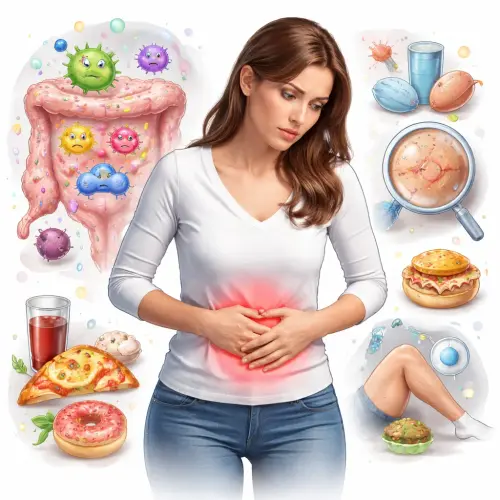
Why Recognizing gut microbiome out of balance Signs Matters
Your gut microbiome influences everything from nutrient absorption to neurotransmitter production. When it’s out of sync, you may experience symptoms that seem unrelated to digestion. The problem is that many people normalize these issues—bloating after meals, brain fog, sugar cravings—without realizing they point to a deeper imbalance. Identifying these signs early gives you a chance to correct course before more serious health problems develop. For a related guide, see Anxiety and Gut Health: What You Need to Know Today.
The 15 Warning Signs That Indicate Gut Microbiome Imbalance
Below are the most common symptoms linked to a disrupted microbiome. If you experience several of these regularly, it may be time to assess your gut health.
1. Chronic Bloating and Gas
Excessive bloating after meals, especially after eating fiber-rich foods or dairy, often signals an overgrowth of gas-producing bacteria. When beneficial bacteria are outnumbered, fermentation of undigested food creates uncomfortable pressure. This is one of the earliest and most noticeable warning signs gut health is compromised.
2. Unexplained Fatigue
Your gut produces a significant portion of your body’s serotonin and other neurotransmitters that regulate energy. When the microbiome is unbalanced, inflammation increases and nutrient absorption declines, leading to persistent tiredness that rest doesn’t fix.
3. Frequent Digestive Discomfort (Constipation or Diarrhea)
Irregular bowel movements—whether too loose or too hard—indicate that the gut lining or microbial composition is off. A healthy microbiome promotes consistent transit time. When it’s out of balance, motility suffers.
4. Intense Sugar Cravings
An overgrowth of yeast (like Candida) or certain bacteria can drive cravings for sugar and refined carbohydrates. These microbes thrive on sugar and send signals to your brain to keep feeding them. If you can’t stop thinking about sweets, your microbiome may be pulling the strings.
5. Unintentional Weight Changes
Your gut microbiome affects how you extract energy from food. An imbalance can lead to weight gain without overeating, or weight loss despite a normal appetite. Certain bacterial strains are more efficient at calorie extraction, tipping the scale.
6. Skin Irritations (Acne, Eczema, Rosacea)
The gut-skin axis is real. Inflammation in the gut often manifests as breakouts, rashes, or flare-ups of chronic skin conditions. Restoring gut balance frequently improves skin clarity without topical treatments.
7. Food Intolerances or Sensitivities
When the gut barrier becomes compromised—often called “leaky gut”—proteins from food can enter the bloodstream and trigger immune responses. This leads to new or worsening sensitivities to foods you used to tolerate well. This is a classic sign of microbiome balance symptoms affecting your immune system.
8. Brain Fog and Poor Concentration
The gut and brain are connected through the vagus nerve and chemical signaling. An unhealthy microbiome produces inflammatory compounds that cloud cognitive function. If you struggle to focus or feel mentally sluggish after meals, your gut may be the root cause.
9. Mood Swings, Anxiety, or Depression
Roughly 90% of serotonin is made in the gut. An imbalanced microbiome disrupts neurotransmitter production, which can lead to unexplained anxiety, irritability, or low mood. Many patients report improved emotional stability after addressing gut health.
10. Autoimmune Flare-Ups
Studies show that gut dysbiosis is linked to autoimmune conditions like rheumatoid arthritis, Hashimoto’s, and lupus. When the microbiome is unbalanced, the immune system becomes hyperactive and may attack healthy tissues. Managing gut health can reduce symptom severity.
11. Bad Breath (Halitosis) That Won’t Go Away
Persistent bad breath despite good oral hygiene can originate from the gut. An overgrowth of certain bacteria in the small intestine (SIBO) produces sulfur gases that escape through your breath. This is a less obvious but telling sign.
12. Joint Pain or Stiffness
Inflammation from a disrupted gut doesn’t stay in the digestive tract. It circulates systemically and can settle in joints, causing pain that mimics arthritis. Eliminating inflammatory trigger foods often brings relief.
13. Poor Sleep and Insomnia
Your gut microbiome helps regulate the sleep-wake cycle by producing melatonin precursors. An imbalance can disrupt circadian rhythms, making it hard to fall asleep or stay asleep. If you wake up feeling unrefreshed, your gut might be part of the problem.
14. Weakened Immune System (Frequent Colds or Infections)
Over 70% of your immune cells reside in your gut. When the microbiome is out of balance, your immune defenses suffer. Getting sick often or having slow recovery from illness is a strong warning sign gut health needs attention.
15. Sugar and Carb Cravings That Sabotage Your Diet
Similar to intense sugar cravings (point #4), a more general craving for carbohydrates—bread, pasta, chips—can indicate an imbalance in bacterial strains that prefer starches. These cravings are biological, not just willpower failures.
How to Restore Balance When Your Gut Microbiome Is Out of Balance
Reversing dysbiosis requires a multi-pronged approach. Start with these evidence-backed strategies:
- Diversify your plant intake: Aim for 30 different plant foods per week (vegetables, fruits, nuts, seeds, legumes, whole grains) to feed beneficial bacteria.
- Incorporate fermented foods: Sauerkraut, kimchi, kefir, and unsweetened yogurt introduce live cultures. Start with small portions to avoid discomfort.
- Limit artificial sweeteners and emulsifiers: These can disrupt microbial balance. Read labels carefully.
- Manage stress: Chronic stress alters gut permeability. Practices like meditation, deep breathing, and adequate sleep support a healthy microbiome.
- Use antibiotics only when necessary: Each course of antibiotics wipes out both bad and beneficial bacteria. If you must take them, follow up with a probiotic-rich diet.
Nutrients That Support Gut Microbiome Imbalance Recovery
Certain nutrients are especially helpful in rebuilding a healthy ecosystem:
| Nutrient | Role in Gut Health | Food Sources |
|---|---|---|
| Prebiotic fiber (inulin, oligofructose) | Feeds beneficial bacteria, promotes growth | Chicory root, garlic, onion, asparagus, bananas |
| Polyphenols | Encourage growth of anti-inflammatory strains | Berries, green tea, dark chocolate, olive oil |
| Omega-3 fatty acids | Reduce gut inflammation and support barrier integrity | Fatty fish (salmon, sardines), flaxseeds, walnuts |
| Glutamine | Aids repair of intestinal lining | Bone broth, chicken, fish, eggs, spinach |
When to Seek Professional Help for Microbiome Balance Symptoms
While diet and lifestyle changes can correct mild imbalances, persistent or severe symptoms warrant medical evaluation. A gastroenterologist or a functional medicine practitioner can offer stool testing (like GI-MAP) to identify specific bacterial overgrowths or deficiencies. Testing removes guesswork and allows for targeted treatment, such as antimicrobial herbs or probiotics tailored to your needs. For a related guide, see Immune Supplements: What Actually Works.
Useful Resources
For further reading on gut microbiome health, explore these trusted sources:
- Harvard Health: The Gut Microbiome and Its Role in Health
- National Institutes of Health: Diet and Gut Microbiome in Health and Disease
Frequently Asked Questions About gut microbiome out of balance
What is the most common sign your gut microbiome is out of balance?
Persistent bloating and gas after meals is the most frequently reported early sign of a disrupted gut microbiome.
Can gut imbalance cause weight gain?
Yes. Certain bacterial strains extract more calories from food and influence appetite-regulating hormones, contributing to weight gain.
How long does it take to rebalance your gut microbiome?
With consistent dietary changes, noticeable improvements often occur within 2 to 4 weeks, but full rebalancing may take 3 to 6 months.
Does stress really affect gut bacteria?
Absolutely. Chronic stress alters gut permeability and can reduce beneficial bacteria while allowing pathogenic strains to overgrow.
What are the best foods to heal a leaky gut?
Bone broth (rich in glutamine), fermented vegetables, cooked vegetables (easy to digest), and omega-3-rich fish support gut barrier repair.
Can probiotics alone fix an imbalanced microbiome?
Probiotics can help, but they are most effective when paired with prebiotic fiber and a diverse whole-food diet.
Is brain fog definitely caused by gut issues?
Not always, but the gut-brain axis means that gut inflammation often contributes to cognitive symptoms like brain fog and poor concentration.
What is SIBO and how does it relate to gut imbalance?
Small Intestinal Bacterial Overgrowth (SIBO) is a form of gut dysbiosis where bacteria colonize the small intestine, causing bloating, pain, and nutrient malabsorption.
Do artificial sweeteners harm the microbiome?
Studies show that artificial sweeteners like sucralose and saccharin can alter gut bacteria composition and impair glucose tolerance.
Can I test my gut microbiome at home?
Yes, at-home stool test kits are available (e.g., Viome, Thryve), but they should be interpreted with the guidance of a healthcare practitioner.
What role does fiber play in gut health?
Fiber is the primary food source for beneficial gut bacteria. A low-fiber diet starves good bacteria and allows pathogens to thrive.
Can lack of sleep affect my gut microbiome?
Yes, poor sleep disrupts circadian rhythms that regulate gut motility and bacterial communities, contributing to imbalance.
Are there specific foods that kill good gut bacteria?
Highly processed foods, excess alcohol, and artificial trans fats can reduce beneficial bacteria and increase inflammation.
Does exercise improve the microbiome?
Regular moderate exercise increases microbial diversity and promotes the growth of anti-inflammatory bacterial strains.
Is it possible to have no symptoms with gut imbalance?
Yes, some people have subclinical dysbiosis with no obvious symptoms, though it may still contribute to long-term health issues.
What is the connection between gut health and skin problems?
Gut inflammation can increase systemic inflammation and disrupt skin barrier function, leading to acne, eczema, and rosacea.
Can I take probiotics while on antibiotics?
Yes, but take probiotics at least 2 to 3 hours apart from antibiotics to prevent the antibiotic from killing the beneficial bacteria.
Are fermented foods better than probiotic supplements?
Fermented foods provide a diverse range of live cultures and beneficial metabolites that supplements often lack, making them a strong choice.
Can reversing gut imbalance cure autoimmune disease?
Not a cure, but restoring gut balance can significantly reduce inflammation and symptom severity in many autoimmune conditions.
How often should I eat fermented foods for gut health?
Starting with 1 to 2 tablespoons per day and gradually increasing to 1/2 cup per day is a safe and effective approach.