
postpartum depression Key Takeaways
If you’re feeling overwhelmed, sad, or disconnected after having a baby, you are not alone.
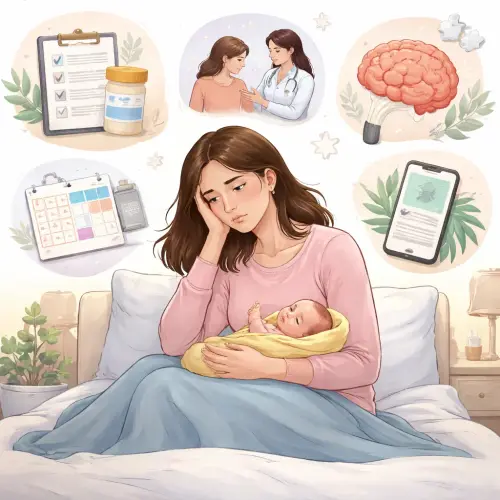
What Every New Mom Should Know About Postpartum Depression
Becoming a mother is often portrayed as a time of pure joy, but the reality can be much more complex. Hormonal shifts, sleep deprivation, and the overwhelming responsibility of caring for a newborn can create a perfect storm for mental health struggles. Postpartum depression (PPD) doesn’t discriminate—it can affect women of any age, background, or income level. The good news? Once you understand the essential facts, you can take the first steps toward healing.
Fact 1: PPD Is Different from “Baby Blues”
Many new moms experience mood swings, crying spells, and irritability in the first few days after childbirth. This is called the “baby blues” and usually resolves on its own within two weeks. Postpartum depression, however, lasts longer and is more severe.
- Baby blues: Begins 2–3 days postpartum; resolves without treatment; symptoms are mild (moodiness, weepiness, fatigue).
- Postpartum depression: Can start any time during the first year; lasts more than 2 weeks; symptoms include deep sadness, loss of pleasure, changes in appetite, and anxiety.
- Key distinction: With PPD, symptoms interfere with your ability to care for yourself or your baby.
Fact 2: Symptoms Go Beyond Sadness
While persistent sadness is a hallmark, postpartum depression often shows up in unexpected ways. Many women feel angry, numb, or irritable rather than tearful.
- Loss of interest in things you used to enjoy
- Sleeping too much or being unable to sleep (even when the baby sleeps)
- Intense anxiety or panic attacks
- Difficulty bonding with your baby or feeling nothing at all
- Thoughts of harming yourself or the baby (these require immediate help)
Fact 3: PPD Can Affect Partners, Too
Although we often focus on mothers, postpartum depression also occurs in new fathers and non-birth partners. Research from the American Psychological Association suggests that about 10% of fathers experience PPD, particularly in the first 3–6 months after birth. Symptoms in men may include irritability, withdrawal, avoidance, and increased substance use.
Fact 4: Risk Factors Are Not Always Obvious
Some women develop PPD without any clear risk factors, but certain situations increase vulnerability. These include a personal or family history of depression or anxiety, a traumatic childbirth experience, lack of social support, or major life stresses such as financial strain or relationship difficulties. Additionally, women who have struggled with infertility or pregnancy loss may be at higher risk.
Fact 5: Treatment Works—and There Are Options
Effective treatments for postpartum depression exist, and you do not have to suffer in silence. A combination of therapy, medication, and lifestyle support can help most women recover fully.
| Treatment Type | What It Involves | Typical Duration |
|---|---|---|
| Therapy (CBT, IPT) | Talk therapy focusing on thoughts, behaviors, or relationships | 8–20 sessions |
| Medication (SSRIs) | Antidepressants safe for breastfeeding (e.g., sertraline, fluoxetine) | 6–12 months |
| Support groups | Peer-led or professional-led groups for new parents | Ongoing |
| Lifestyle changes | Sleep support, nutrition, gentle exercise, social connection | Varies |
Fact 6: Breastfeeding Doesn’t Cause PPD—But It Can Complicate It
Some moms worry that breastfeeding struggles trigger postpartum depression. While breastfeeding difficulties can increase stress, breastfeeding itself is not a cause. In fact, for some women, breastfeeding can be protective due to the calming hormones released. However, if breastfeeding is painful, exhausting, or not working, it can contribute to feelings of failure—which is why it is essential to get professional lactation support and not feel pressured to continue if it harms your mental health.
Fact 7: You Can Recover Fully
Perhaps the most important fact: postpartum depression is not a permanent condition. With proper treatment, the vast majority of women feel like themselves again within six months to a year. Early intervention leads to faster recovery, but it is never too late to seek help. Many mothers worry they have damaged their bond with their baby, but nurturing attachment can be rebuilt through responsive care, skin-to-skin contact, and therapy. For a related guide, see Postpartum Anxiety: How to Recognize and Manage It.
Recognizing the Signs of Postpartum Depression in Yourself or a Loved One
If you are wondering whether what you are feeling is normal, pay attention to the duration and intensity of symptoms. A simple self-check: have these feelings lasted more than two weeks? Are they getting worse instead of better? Do they make it hard to take care of yourself or your baby? If yes, please reach out to your OB/GYN, midwife, or primary care provider. They can screen you with validated tools like the Edinburgh Postnatal Depression Scale.
For partners and family members: gently express concern without judgment. Avoid saying “just snap out of it.” Instead, say, “I’ve noticed you seem really down. Can I help you talk to someone?” Offering practical support—like watching the baby so she can nap or shower—can also make a big difference.
How to Support a Friend or Family Member with Postpartum Depression
Watching someone you love struggle with PPD can feel helpless, but your support matters more than you know. Here are actionable ways to help:
Listen without trying to fix
Often, the best support is just being present. Validate her feelings by saying, “That sounds really hard. I’m here for you.” Resist the urge to offer advice unless asked.
Offer specific help
Instead of “let me know if you need anything,” offer concrete assistance: “I can bring dinner on Tuesday,” “I’ll take the baby for a walk so you can rest,” or “I’ll drive you to your doctor’s appointment.”
Encourage professional help
If she hasn’t already, gently encourage her to talk to a healthcare provider. Offer to help research therapists who specialize in perinatal mental health, or even attend the first appointment with her.
Useful Resources
For more information and support, explore these trusted sources:
- Postpartum Support International (PSI) — Helpline and provider directory for perinatal mental health.
- National Institute of Mental Health: Perinatal Depression — Research-based overview of symptoms, causes, and treatments.
You Are Not Alone—Help Is Here
If you or someone you care about is struggling with postpartum depression, please take that first step today. Reach out to a healthcare provider, call a helpline, or confide in a trusted friend. You deserve support, and recovery is not only possible—it is likely. You are a good mother, and asking for help is one of the bravest things you can do.
Frequently Asked Questions About postpartum depression
What is postpartum depression exactly?
Postpartum depression is a clinical mood disorder that begins after childbirth and involves persistent feelings of sadness, anxiety, exhaustion, and loss of interest that interfere with daily life. For a related guide, see 10 Common Symptoms of Depression in Adults: Key Warning Signs.
How long does postpartum depression last without treatment?
Without treatment, PPD can last for a year or longer. Symptoms may improve slowly, but untreated PPD increases the risk of chronic depression and can affect the mother-child bond.
Can postpartum depression start months after giving birth?
Yes. While PPD most often begins within the first 4–6 weeks, it can develop anytime during the first 12 months after delivery.
Is postpartum depression the same as postpartum psychosis?
No. Postpartum psychosis is a rare, severe emergency that involves hallucinations, paranoia, and delusions. PPD does not involve psychosis, but both require medical attention.
Can I breastfeed while taking antidepressant medication for PPD?
Most SSRIs, such as sertraline and fluoxetine, are considered safe during breastfeeding. Always discuss risks and benefits with your doctor.
What should I do if I think I have postpartum depression ?
Contact your OB/GYN, midwife, or primary care provider right away. You can also call a warmline like Postpartum Support International at 1-800-944-4773.
How is postpartum depression diagnosed?
Healthcare providers use screening questionnaires like the Edinburgh Postnatal Depression Scale (EPDS) and a clinical interview to diagnose PPD.
Can partners get postpartum depression too?
Yes. Around 8–10% of new fathers experience PPD, often presenting as irritability, withdrawal, or increased work hours.
Does having postpartum depression mean I don’t love my baby?
Absolutely not. PPD is a medical condition, not a reflection of your love or ability to be a good mother. Many women with PPD love their babies deeply but feel disconnected.
What is the difference between baby blues and PPD?
Baby blues last less than two weeks and are mild. PPD lasts longer, is more intense, and requires treatment.
Can exercise help with postpartum depression ?
Gentle exercise like walking, yoga, or swimming can improve mood and energy, but it is not a substitute for professional treatment when symptoms are moderate to severe.
Will postpartum depression go away on its own?
In some mild cases, symptoms may gradually improve with time and support. However, moderate to severe PPD often persists or worsens without treatment.
Can you have postpartum depression after a miscarriage or stillbirth?
Yes. Hormonal shifts and grief after pregnancy loss can trigger depression. This is called perinatal depression and is equally valid and treatable.
Is postpartum depression more common in first-time moms?
PPD can occur after any birth, but first-time mothers may be at slightly higher risk due to the steep learning curve and lifestyle change.
What is the Edinburgh Postnatal Depression Scale?
It is a 10-question screening tool used by healthcare providers to assess symptoms of perinatal depression. A score of 10 or higher suggests a possible depressive disorder.
Can sleep deprivation cause postpartum depression ?
Chronic sleep loss does not directly cause PPD but is a major risk factor. Severe sleep disruption can worsen mood and make it harder to cope.
Is it safe to take herbal supplements for PPD?
Most herbal supplements are not well-studied in breastfeeding mothers. St. John’s Wort, for example, can interfere with other medications. Always consult your doctor first.
How long does it take for antidepressants to work for PPD?
SSRIs typically take 4–6 weeks to reach full effect, though some people notice improvement sooner. Consistency is key.
Can postpartum depression affect the baby later in life?
Untreated maternal depression can impact infant attachment and development. However, effective treatment for the mother greatly reduces these risks.
Where can I find a therapist who specializes in postpartum depression ?
Use the provider directory at Postpartum Support International or search for “perinatal mental health therapist” in your area.