
ways depression can affect your sleep Key Takeaways
Depression and sleep share a complex, bidirectional relationship—each can worsen the other.
Understanding the Link Between Depression and Sleep Problems
Sleep disturbances are among the most common complaints in people with depression. In fact, up to 75% of individuals with depression experience how depression affects sleep in significant ways. This isn’t just about trouble falling asleep—it’s about how the brain’s chemistry shifts during depressive episodes, disrupting the natural rhythm of restorative sleep cycles. The result is a vicious loop: poor sleep fuels depression, and depression deepens sleep disruption. For a related guide, see 10 Common Symptoms of Depression in Adults: Key Warning Signs.
8 Critical Ways Depression Can Affect Your Sleep
1. Chronic Insomnia: The Most Common Depression Sleep Effect
Depression and insomnia are often inseparable. People with depression frequently lie awake for hours, unable to quiet racing thoughts or the weight of emotional pain. This “mind racing” at night is distinct—rooted in heightened activity in brain regions associated with rumination. Practical tip: Establish a consistent bedtime routine that includes winding down without screens 60 minutes before bed. Cognitive behavioral therapy for insomnia (CBT-I) is particularly effective for this type of sleep difficulty. For a related guide, see Postpartum Anxiety: How to Recognize and Manage It.
2. Hypersomnia: Sleeping Too Much and Still Feeling Exhausted
While many associate depression with sleeplessness, mental health sleep problems also include excessive daytime sleepiness and prolonged nighttime sleep. Some individuals sleep 10–14 hours but wake up feeling unrefreshed. This occurs because depression reduces slow-wave (deep) sleep, meaning the brain never completes its restorative work. Actionable tip: Keep a consistent wake-up time every morning, even on weekends, and expose yourself to natural light within 30 minutes of waking.
3. Frequent Night Wakings and Fragmented Sleep
Depression disrupts the brain’s ability to maintain sleep. You may fall asleep easily but wake multiple times during the night, often unable to return to sleep. This fragmentation robs you of longer sleep cycles, particularly REM and deep sleep stages. Research shows that depressed individuals experience more awakenings and spend more time in light sleep. Tip: Avoid alcohol before bed—while it may help you fall asleep, it significantly worsens sleep fragmentation.
4. Vivid, Disturbing Dreams and Nightmares
Dreaming patterns shift dramatically in depression. Many people report intensely vivid, stressful dreams or outright nightmares. This happens because depression alters REM sleep regulation, making REM periods more intense and emotionally charged. These dreams can leave you feeling more anxious and drained upon waking. Journaling dreams or practicing relaxation techniques before bed can reduce their emotional impact.
5. Early Morning Awakenings: The Depression Signature
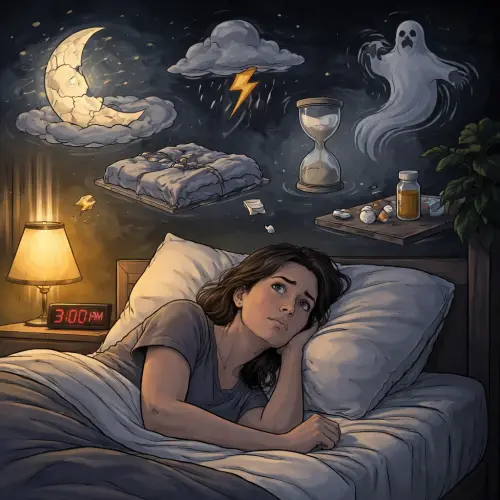
Waking up at 3:00 or 4:00 AM and being unable to fall back asleep is a classic sign of depression-related sleep disruption. This phenomenon is linked to dysregulation of the body’s circadian rhythm and elevated cortisol levels in the early morning hours. Unlike transient insomnia, this pattern persists for weeks or months. Tip: Avoid checking the clock when you wake early. Instead, get up and do a quiet, non-stimulating activity until you feel sleepy again.
6. Non-Restorative Sleep Despite Adequate Hours
You can sleep eight hours and still feel as though you haven’t rested at all. Depression reduces the amount of time spent in slow-wave sleep, which is essential for physical repair and emotional processing. This way depression can affect your sleep often goes unrecognized because total sleep time seems normal. Strategy: Incorporate moderate exercise during the day, such as 20 minutes of brisk walking, which can increase slow-wave sleep quality. For a related guide, see Anxiety in Older Adults: Symptoms and Care Guide.
7. Circadian Rhythm Disruption and Phase Shifts
Depression frequently throws off your internal body clock. You may naturally want to stay up very late and then sleep until midday, creating a delayed sleep-wake phase. Alternatively, some shift toward earlier schedules. This mismatch between your internal clock and social demands worsens mood and daytime functioning. Light therapy and strict sleep scheduling are proven interventions to realign circadian rhythms back to a healthy pattern.
8. Increased Sensitivity to Sleep Disruptors
When you are depressed, your nervous system becomes more reactive to environmental disturbances. Normal noises, temperature changes, or a partner’s movement wake you more easily. This heightened arousal state stems from altered neurotransmitter activity, particularly involving serotonin and norepinephrine. Simple environmental fixes—white noise machines, blackout curtains, and weighted blankets—can make a meaningful difference.
How Depression Changes Your Brain’s Sleep Architecture
Understanding the science behind how depression affects sleep helps explain why these effects are so persistent. Brain scans show that depressed individuals have reduced gray matter volume in the frontal cortex, which regulates sleep. Additionally, the hypothalamic-pituitary-adrenal (HPA) axis becomes overactive, flooding the body with cortisol and making deep sleep nearly impossible to achieve. Over time, these changes become self-reinforcing. The good news is that treating depression effectively also restores normal sleep patterns.
Breaking the Depression-Sleep Cycle: What Works
Addressing both depression and sleep simultaneously offers the best outcomes. Antidepressant medications like SSRIs can improve sleep architecture for some, but they may also cause initial insomnia—a conversation to have with your doctor. Psychotherapy, especially CBT-I and interpersonal therapy for depression, targets the thinking patterns that disrupt rest. Lifestyle modifications including morning sunlight exposure, consistent meal times, and avoiding caffeine after noon also play a powerful role in restoring sleep health.
Useful Resources
Explore these credible sources for deeper information on depression sleep effects and practical management strategies:
- Sleep Foundation: Depression and Sleep – A comprehensive overview of the bidirectional relationship between depression and sleep disturbances.
- National Institute of Mental Health: Depression – Official guidance on depression symptoms, treatments, and links to sleep issues.
Frequently Asked Questions About ways depression can affect your sleep
Can depression alone cause sleep problems?
Yes, depression directly affects brain regions controlling sleep, making sleep disturbances a core symptom of the condition.
Can sleep problems trigger depression?
Absolutely. Chronic insomnia increases the risk of developing new-onset depression by two to three times.
What is the most common sleep problem in depression?
Insomnia is the most reported issue, affecting about 60–80% of people with depression.
Why do I oversleep when I’m depressed?
Hypersomnia in depression is linked to poor sleep quality, reduced deep sleep, and the body’s attempt to compensate for emotional exhaustion.
Do antidepressants improve sleep?
Some antidepressants improve sleep architecture, while others can initially worsen insomnia. Your doctor can adjust your medication to minimize side effects.
Is it normal to wake up early with depression?
Yes. Early morning awakenings are a hallmark sign of depression-related sleep disruption, driven by circadian rhythm changes.
Can treating sleep problems help depression?
Yes. CBT for insomnia has been shown to reduce both insomnia and depressive symptoms significantly.
Why do I have nightmares when depressed?
Depression intensifies REM sleep, leading to more vivid, emotionally intense dreams that can feel disturbing.
Does lack of sleep worsen depression?
Yes, sleep deprivation worsens mood regulation, increases emotional reactivity, and deepens depressive symptoms.
Can exercise help both sleep and depression?
Moderate aerobic exercise increases endorphin levels and improves slow-wave sleep, benefiting both conditions.
How long does it take for sleep to improve with depression treatment?
Sleep improvements may begin within 2–4 weeks of starting treatment, but full restoration can take several months.
Should I use sleep aids if I have depression?
Use sleep aids only under medical supervision, as some can interact with antidepressants or mask underlying problems.
Can caffeine make depression sleep problems worse?
Yes, caffeine blocks adenosine receptors, worsening insomnia and anxiety. Limiting intake to before noon is recommended.
Is it better to nap during the day if sleep is poor at night?
Short power naps (under 30 minutes) can help, but longer naps disrupt nighttime sleep quality.
What is the best therapy for depression-related insomnia?
Cognitive Behavioral Therapy for Insomnia (CBT-I) is the gold standard, often combined with depression-focused therapy.
Can a weighted blanket help depression sleep problems?
Some studies suggest weighted blankets can reduce cortisol and increase relaxation, improving sleep quality for some individuals.
Does light therapy help depression-related sleep issues?
Yes, especially for seasonal affective disorder and circadian rhythm disruptions. Morning light exposure improves mood and sleep timing.
Why does depression make me want to sleep all day?
This is often due to a combination of physical exhaustion from emotional stress, poor sleep quality, and disrupted circadian rhythms.
Can melatonin help with depression sleep problems?
Melatonin may help for circadian rhythm issues, but it is not a direct treatment for depression-related insomnia and should be used carefully.
When should I see a doctor about depression and sleep?
If sleep problems persist for more than two weeks alongside low mood, loss of interest, or fatigue, consult a healthcare professional.