
sleep anxiety signs Key Takeaways
If you’re constantly drained but can’t figure out why your mind races the second your head hits the pillow, you might be dealing with sleep anxiety .
- sleep anxiety signs often mimic other issues like stress or caffeine sensitivity, making them easy to overlook.
- Recognizing the physical and emotional clues is the first step to breaking the cycle.
- Simple, evidence-based strategies can help you reclaim restful nights without medication.
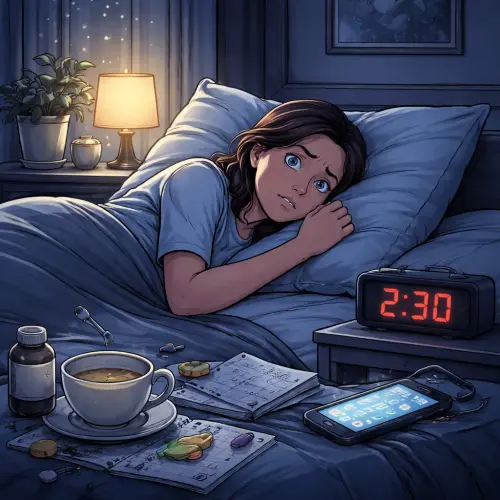
What Is Sleep Anxiety and Why Does It Feel So Real?
Sleep anxiety isn’t a formal diagnosis—it’s a term that describes the fear or worry around falling asleep, often tied to can’t sleep at night patterns. Your brain starts associating the bed with frustration, racing thoughts, or even a sense of dread. Over time, this becomes a habit, and the more you worry about sleep, the harder it gets to drift off. For a related guide, see Anxiety and Insomnia: Why You Can’t Sleep at Night.
The problem is that many people chalk it up to “just being a light sleeper” or blame it on too much screen time. But when anxiety about sleep itself becomes the main barrier, you’re dealing with something deeper. Recognizing the sleep anxiety signs early can prevent weeks—or even months—of poor rest.
14 Signs of Sleep Anxiety: Which Ones Hit Home for You?
Below are the 14 most common warning signs. Be honest with yourself as you read through them—you might be surprised how many apply.
1. You Start Worrying About Sleep Hours Before Bedtime
If you catch yourself feeling anxious about sleeping by early afternoon or evening, that’s a major red flag. You might think, “What if I can’t fall asleep tonight?” or “Tomorrow is going to be brutal if I don’t rest well.” That anticipation itself fuels sleep anxiety signs.
2. Your Mind Races the Second You Lie Down
As soon as your head touches the pillow, your brain decides to replay every conversation, worry, and to-do list from the day. This is one of the most classic signs of sleep anxiety. It’s not random—it’s your nervous system being on high alert because it associates the bed with vigilance.
3. You Check the Clock Repeatedly
Glancing at the alarm clock and thinking, “It’s already 1:00 AM, I only have five hours left,” then again at 1:15, then again at 1:30. This behavior spikes cortisol and tells your brain that sleep is now a performance task. The more you check, the more you feed the can’t sleep at night loop.
4. You Feel Physically Tired but Mentally Wired
Your body is heavy, your eyes are burning, but your brain feels like it just drank three espressos. That disconnect is a hallmark of sleep anxiety. Your body is ready for rest, but your mind is stuck in fight-or-flight mode.
5. You Avoid Going to Bed Because You Know What’s Coming
You find yourself staying up later than you intend—not because you’re not tired, but because you dread the struggle. You might scroll social media, watch another episode, or clean the kitchen just to delay the inevitable. That avoidance is a clear sign of sleep anxiety.
6. You Wake Up Multiple Times During the Night
Waking up once is normal. Waking up two, three, or four times with your heart pounding or your mind instantly alert? That’s anxiety interrupting your sleep cycles. Each time you wake, you feel frustrated, which makes it harder to fall back asleep.
7. You Have Catastrophic Thoughts About Lack of Sleep
This is the one we warned you about. You start convincing yourself that if you don’t sleep well, you’ll bomb your presentation, get sick, or even have a health crisis. These catastrophic thoughts are fueled by anxiety, not logic. They make the stakes feel impossibly high, which only makes sleep more elusive. Recognizing this pattern is crucial because it’s where sleep anxiety really spirals.
8. You Feel Panicky When You Can’t Fall Asleep Quickly
After 15 or 20 minutes of lying awake, you start to panic. Your heart races, your breathing gets shallow, and you might even feel hot or sweaty. That physical response is your body interpreting sleeplessness as a threat.
9. You Try Too Hard to Make Yourself Sleep
You’ve read all the tips—deep breathing, progressive muscle relaxation, no screens—and you’re doing them with intense focus. But trying to force sleep is like trying to force yourself to relax: it backfires. The effort itself becomes sleep anxiety signs in action.
10. You Lie Awake Thinking About Bedtime Routines
You mentally review your sleep hygiene checklist: did I turn off the blue light? Is the room dark enough? Did I take my magnesium? Instead of relaxing, you’re auditing your own routine, which keeps your brain engaged.
11. You Wake Up Feeling Unrefreshed, No Matter the Hours
Even if you got seven or eight hours, you feel like you barely slept. That’s because sleep anxiety often causes fragmented sleep—you cycle through light stages but rarely hit deep, restorative rest. You might sleep through the night, but your brain never fully checked out. For a related guide, see 12 Surprising Links Between ADHD and Sleep Problems: Essential Insights.
12. You Numb the Anxiety with Alcohol or Sleep Aids
Having a glass of wine or taking an over-the-counter sleep aid becomes a nightly habit because it feels like the only way to quiet your mind. While it might help you fall asleep, it disrupts sleep quality and can worsen anxiety over time. This is a common but dangerous sign of sleep anxiety.
13. You Feel Irritable or Emotional the Next Day
Poor sleep from anxiety leaves your emotional regulation center (the amygdala) on high alert. You snap at your partner, feel tearful over small things, or have zero patience. That emotional volatility is often a direct result of the previous night’s can’t sleep at night battle.
14. You’ve Started Avoiding Social Plans Because You’re Too Tired
You cancel dinner with friends or skip the morning workout because you’re exhausted. This is a sign that sleep anxiety is affecting your quality of life beyond the bedroom. You’re not just tired—you’re isolating yourself to conserve energy.
How to Break the Cycle of Sleep Anxiety Signs
Now that you’ve identified the patterns, here’s the good news: sleep anxiety is highly treatable, and you don’t need prescription medication to start. Here are three proven strategies.
Try Stimulus Control Therapy
This behavioral technique is one of the most effective treatments. The rule is simple: only use your bed for sleep (and sex). If you’re awake for more than 20 minutes, get up and go to another room. Read a boring book or do something calming in low light until you feel drowsy, then return. This breaks the association between bed and wakefulness.
Practice Cognitive Restructuring
When you notice catastrophic thoughts like “I’ll never sleep tonight” or “I’ll be a disaster tomorrow,” challenge them. Ask yourself: is that thought 100% true? What’s a more balanced statement? For example: “Even if I sleep poorly, I’ve gotten through tough days before.” This directly targets the thought patterns behind sleep anxiety signs.
Create a ‘Worry Window’ During the Day
Set aside 15 minutes in the late afternoon to write down everything that’s worrying you. This isn’t about solving problems—it’s about getting the thoughts out of your head and onto paper. By giving your brain permission to worry at a scheduled time, you reduce the urge to ruminate at night.
Useful Resources
If you want to dig deeper into sleep anxiety, these two sources offer reliable, evidence-based guidance.
- Sleep Foundation: How Anxiety Affects Sleep — A comprehensive overview of the anxiety-sleep connection and practical tips.
- Harvard Health: Cognitive Behavioral Therapy for Anxiety — Details on CBT-I and cognitive restructuring techniques.
Frequently Asked Questions About sleep anxiety signs
What is the difference between sleep anxiety and insomnia?
Sleep anxiety is the fear or worry about falling asleep, while insomnia is the condition of not being able to fall or stay asleep. They often occur together, but sleep anxiety is specifically about the emotional distress around sleep.
Can sleep anxiety cause physical symptoms?
Yes, common physical symptoms include a racing heart, shallow breathing, muscle tension, sweating, and headaches. These are part of the body’s fight-or-flight response triggered by anxiety. For a related guide, see 10 Stress and Burnout Symptoms That Trigger Sleep Disorders – Avoid These.
How do I know if I have sleep anxiety ?
If you regularly feel worried about sleep, dread bedtime, or experience racing thoughts when you lie down, you likely have sleep anxiety. The 14 signs in this article can help you identify your specific patterns.
Is sleep anxiety common?
Yes, it’s very common. Studies show that about 30-40% of adults experience some form of sleep-related anxiety, especially those with general anxiety disorders or high stress levels.
Can sleep anxiety go away on its own?
It can if the underlying stressor resolves, but for many people, it becomes a chronic pattern. Without intervention, the anxiety about sleep tends to reinforce itself and get worse.
What is the best treatment for sleep anxiety ?
Cognitive Behavioral Therapy for Insomnia (CBT-I) is considered the gold standard. It addresses both the thoughts and behaviors that keep anxiety alive.
Can sleep anxiety be treated without medication?
Absolutely. Behavioral techniques, lifestyle changes, and relaxation practices are often more effective than medication for long-term relief, without side effects or dependency risks.
Does exercise help with sleep anxiety ?
Yes, regular exercise reduces overall anxiety levels and helps regulate your circadian rhythm. Just avoid vigorous exercise within two hours of bedtime, as it can be stimulating.
Can diet affect sleep anxiety ?
Yes, caffeine, sugar, and alcohol can all exacerbate anxiety and disrupt sleep. A balanced diet with magnesium-rich foods (like leafy greens, nuts, and seeds) can support relaxation.
Is it okay to take melatonin for sleep anxiety ?
Melatonin can help regulate your sleep-wake cycle, but it doesn’t directly reduce anxiety. It’s best used as a short-term aid while you work on the underlying causes.
Can children have sleep anxiety ?
Yes, children can experience sleep anxiety, often manifesting as fear of the dark, nightmares, or refusing to go to bed. Consistent routines and reassurance are key.
Does sleep anxiety cause nightmares?
Anxiety itself can increase nightmare frequency, and the fear of having bad dreams can further feed sleep anxiety. This creates a feedback loop that disrupts rest.
Can sleep anxiety affect my relationship?
Yes, if one partner struggles with sleep anxiety, it can affect both people’s rest and lead to frustration, resentment, or separate sleeping arrangements.
Is sleep anxiety a sign of a bigger mental health issue?
It can be a symptom of generalized anxiety disorder, PTSD, or depression. If you notice other symptoms like persistent worry, panic attacks, or low mood, it’s worth talking to a professional.
What should I do if I wake up anxious in the middle of the night?
If you can’t fall back asleep within 20 minutes, get out of bed and do something calming in dim light, like reading a physical book or listening to a calm podcast. Return to bed only when you feel drowsy.
Does blue light really affect sleep anxiety ?
Blue light from screens suppresses melatonin production and can keep your brain alert. Reducing screen time 60-90 minutes before bed can significantly help quiet the mind.
Can sleep anxiety cause me to feel like I’m not breathing?
Yes, anxiety can cause a sensation of air hunger or chest tightness, leading to hyperventilation. This is often mistaken for a sleep disorder like sleep apnea.
How long does it take to break sleep anxiety ?
With consistent practice of behavioral techniques like stimulus control and cognitive restructuring, most people see significant improvement within 2-4 weeks.
Should I see a doctor for sleep anxiety ?
If sleep anxiety is affecting your daily life, causing significant distress, or lasting more than a month, it’s a good idea to consult a primary care doctor or a sleep specialist.
Can sleep anxiety be cured completely?
For many people, yes. By addressing the underlying thought patterns and behaviors, you can fully break the cycle and enjoy restful sleep again. Even if it recurs during stressful periods, you’ll have the tools to manage it.